REVIEW · YEREVAN
Khor Virap, Echmiadzin & Zvartnots UNESCO Small-Group Guided Tour
Book on Viator →Operated by Yerani Travel LLC · Bookable on Viator
Mount Ararat steals the show.
This full-day small-group route out of Yerevan links Armenia’s most important early-Christian sites, plus UNESCO-listed ruins, all with the comfort of a Wi‑Fi vehicle.
I like the feel of a private-vehicle day without the hassle of renting and driving yourself. I also like that entrance fees are included, and you get local sweet snacks and bottled water along the way.
One thing to plan for: the day is listed around 7–8 hours, but it can run closer to 6. Keep your evening flexible so you are not rushing afterward.
In This Review
- Key highlights worth caring about
- A route that gets you out of Yerevan fast
- Khor Virap: the Ararat view and early-Christian drama
- Saint Hripsime Church: a 618 A.D survivor
- Etchmiadzin Monastery: the spiritual center you’ll hear about again
- Zvartnots Temple: UNESCO-listed ruins with big story potential
- Price, inclusions, and what to budget for lunch
- Guide quality and language: where the day really clicks
- Practical tips for a smooth UNESCO day
- Should you book this Khor Virap–Etchmiadzin–Zvartnots day trip?
- FAQ
- How much does the tour cost?
- What time does the tour start, and where do I meet?
- How long is the tour?
- What sites are included?
- Are entrance fees included?
- Is lunch included?
- What if the weather is bad or I need to cancel?
Key highlights worth caring about
- Khor Virap’s Mount Ararat views for classic Armenia photos and a big story backdrop
- Saint Hripsime Church and its ancient 7th/early 7th-century survival
- Etchmiadzin as the spiritual center for Armenians worldwide
- UNESCO-listed Zvartnots and 7th-century temple ruins
- A group size capped at 19 with Wi‑Fi onboard for the ride
- Sweets, water, and entrance fees included so you can budget with less guesswork
A route that gets you out of Yerevan fast
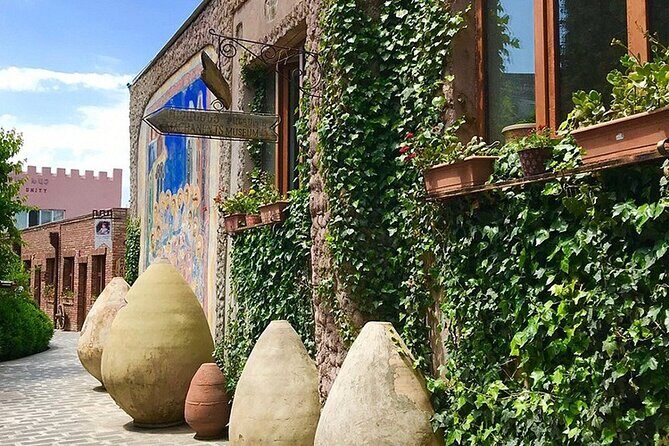
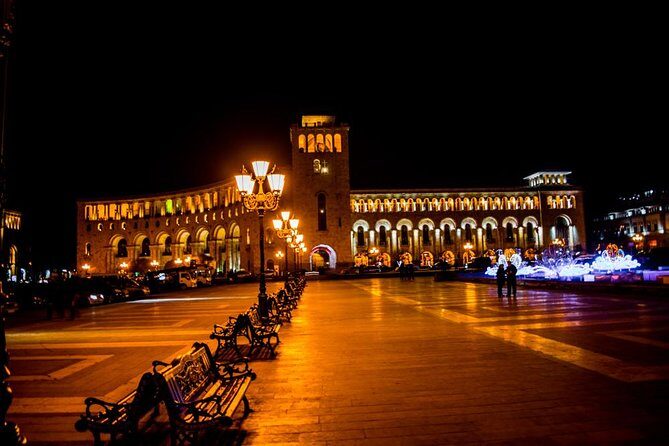
This is built for travelers who want the big hits outside Yerevan without spending energy on transport. You start in central Yerevan (the Alexander Tamanian Statue at 10 Moskovyan pokhoc) at 10:00 am, then you head straight to the sights.
The whole day is paced like a combo: short walks, focused viewing time at each site, and enough driving between stops to keep momentum. You are not going to feel like you are sprinting, but you also should treat it as a real day-trip, not a casual wander with lots of extra time for museums.
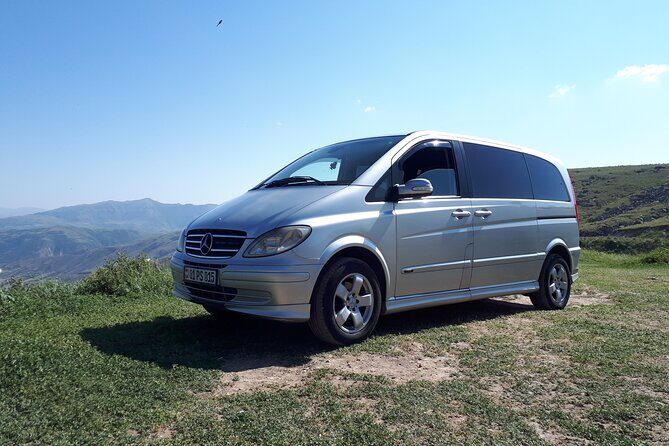
The vehicle is air-conditioned and includes Wi‑Fi, which matters more than it sounds. Road trips in Armenia can involve long stretches of busier roads and variable weather, and Wi‑Fi helps you stay sane while you wait for your next photo moment.
Other Khor Virap tours we have reviewed in Yerevan


Khor Virap: the Ararat view and early-Christian drama
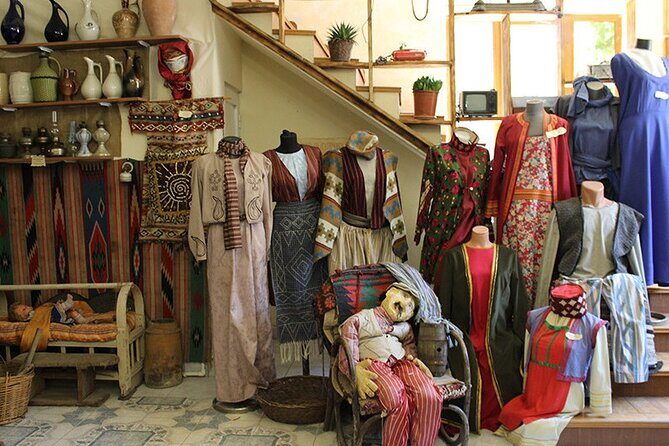
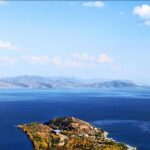
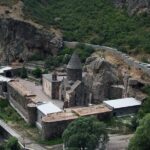
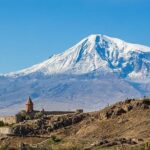
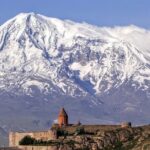
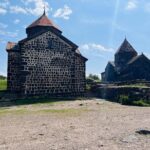
Khor Virap is the stop that makes most people stop talking and start looking. The monastery sits with a famous backdrop: Mount Ararat. Even if the mountain is partially obscured on a given day, the setting is still one of Armenia’s most iconic. If you care about photos, this is one of the best places on the list to plan for the shot.
This stop also hits the “why it matters” angle, not just the “what it looks like” angle. Khor Virap is the kind of place where the stones carry the story. The monastery is linked to early Christian history in Armenia, and the viewpoint helps you feel why this corner of the country became a spiritual magnet.
You typically get around 50 minutes here. That is enough time to see the key areas without feeling rushed, but not so much that you lose the thread. If you want your best photos, aim to take them early in your visit so you are not playing catch-up when the light changes.
Practical note: if weather is poor, the overall schedule might shift. This tour can be modified or canceled for bad conditions, so keep an eye on the day-of plan.
Saint Hripsime Church: a 618 A.D survivor
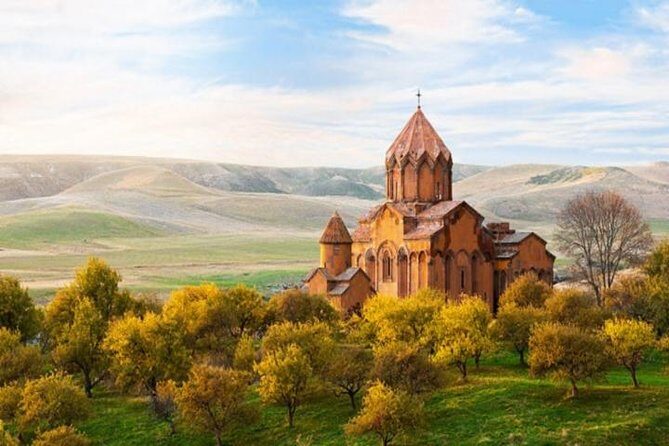
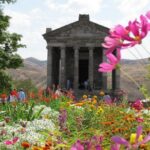
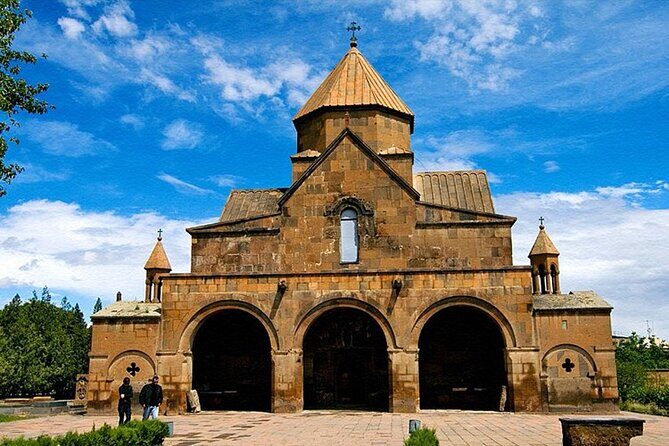
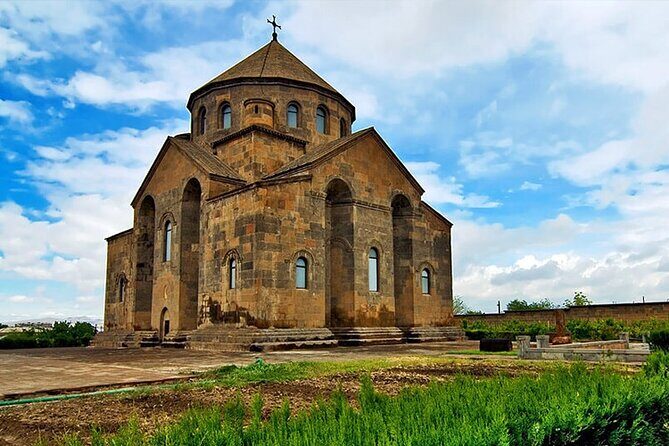
Next up is Saint Hripsime Church, and it is a serious architecture stop. This is not just an old building; it is tied to a very specific legend of faith and persecution. The church was built on the sepulcher of Hripsime, a Christian nun who fled the Roman Empire and was killed in Armenia.
What I find impressive is the claim of endurance: the church has stood upright since its construction, dated to 618 A.D. That makes it one of the oldest standing churches in the world. So you are not only visiting a religious site—you are looking at an artifact of time.
You get about 30 minutes at Hripsime. That may feel short if you love architecture details, but it is usually enough to take in the main structure and get a sense of why it became so famous. If you are the kind of traveler who pauses to look at stonework and proportions, make your time count by choosing one or two areas to study instead of trying to see everything at once.
Admission here is free, which helps you keep the day’s costs down. Also, because it is a church stop, dress cues are worth keeping in mind: plan for a respectful look and comfortable shoes.
Etchmiadzin Monastery: the spiritual center you’ll hear about again
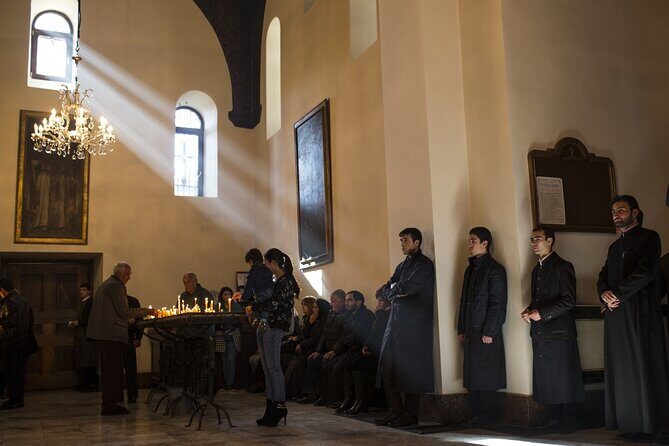
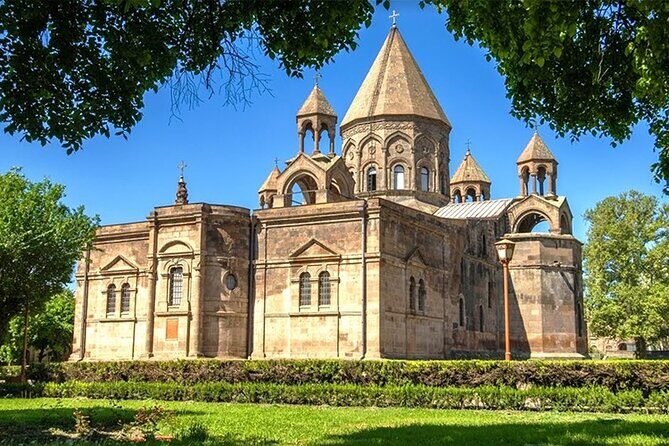
Then you head to Etchmiadzin Monastery, often treated as the spiritual heart of Armenia. If you only know Armenia from landscapes and food, this is the stop that gives context. The monastery is considered the spiritual center of Armenians everywhere, not only in Armenia.
Even the name is part of the explanation. Etchmiadzin is tied to a meaning connected to the only begotten son of God descending to earth, so you understand why people come here beyond tourism. It is the kind of place where your guide’s storytelling makes the stones feel more relevant.
This stop runs about 50 minutes, and again, the time is long enough to absorb the main sites without feeling stranded. Admission is free, so you are not juggling extra ticket lines while you are trying to connect to the meaning of the place.
If you want to get more out of Etchmiadzin, listen for the thread your guide connects between stops: persecution and faith in one place, endurance in another, then spiritual centrality here. When you hear that link out loud, the day feels like one story instead of four separate photo stops.
Zvartnots Temple: UNESCO-listed ruins with big story potential
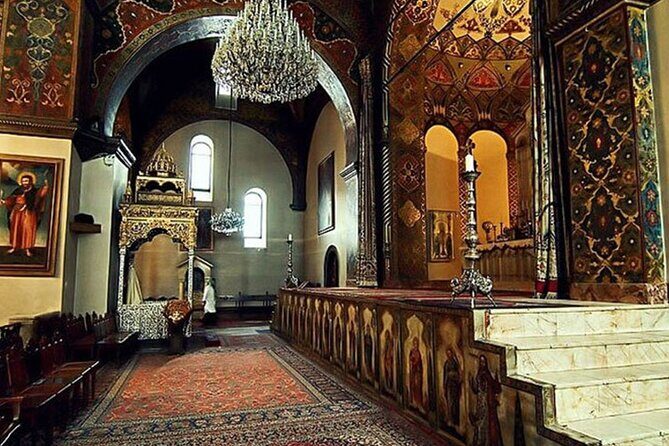
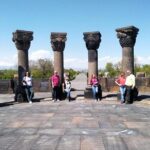
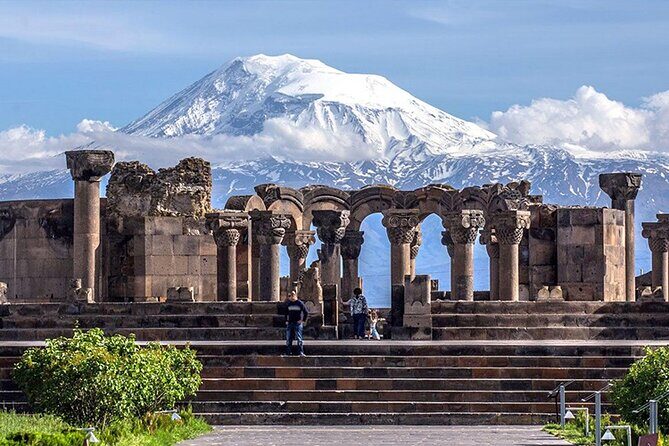
Zvartnots is the puzzle piece that turns the day from “ancient churches” into “ancient world-class architecture.” This is a 7th-century temple included as part of UNESCO heritage along with the other historical places on the tour.
You visit Zvartnots Temple for about 50 minutes, and the key experience here is understanding ruins. Ruins are not less impressive—they just ask a different kind of attention. You will want to look at what remains and imagine what the original structure must have looked like in full.
UNESCO status matters in a practical way. It signals that the site is protected and that interpretive attention exists to help visitors understand what they are seeing. You will likely come away with clearer ideas about why Zvartnots was important historically and how it fit into the broader regional story.
Admission is free, which keeps the tour value strong. By the time you reach Zvartnots, you’ve already learned the faith and historical context from Khor Virap, Hripsime, and Etchmiadzin. That means Zvartnots has a sharper impact because you are not starting from zero.
Other Echmiadzin and Zvartnots tours we have reviewed in Yerevan

Price, inclusions, and what to budget for lunch
The price is $30.56 per person, which is fairly easy to justify for a full-day combo that includes transport, a guide, and multiple major sites outside central Yerevan.
Here is what is included:
- Professional and friendly guide
- Local sweets and bottled water
- Entrance fees
- Air-conditioned vehicle
- Wi‑Fi on board
This is the kind of inclusion set that reduces friction. Entrance fees across multiple stops can add up, and having them covered means you spend less time making on-the-spot decisions.
What is not included: lunch. Budget 6€ to 14€ per person depending on what you choose and how hungry you get. Since the day starts at 10:00 am, plan on eating lunch partway through or near the end of the site sequence.
My advice: treat lunch as your one flexible expense, and do not let it become a stress point. If you like a predictable schedule, grab food when your guide suggests options and keep moving. If you prefer an unplanned meal, at least carry a backup snack so you do not get caught hungry and rushed.
Guide quality and language: where the day really clicks
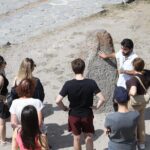
The most praised element here is the guide. In particular, I heard strong mentions of a guide named Anastasia, noted for being both knowledgeable and easy to be around. The best part is not just information—it is how clearly she explains things.
One useful detail: if you are not speaking the local language, she may adjust. In one case, an English-speaking traveler was on the tour and the guide made a real effort to describe everything in both English and Russian. That flexibility matters because these sites are loaded with history, and you want to understand what you are looking at.
So if you care about getting real explanations—why Khor Virap matters, who Hripsime was, what Etchmiadzin represents—this tour is built to support that. You are paying for more than transport. You are buying clarity.
Practical tips for a smooth UNESCO day
A few things will make your day easier, based on how this tour runs and what you will face on the ground:
- Wear comfortable shoes. You are walking inside active religious settings and moving between stops, so choose footwear you can trust for uneven ground.
- Bring a layer. Even if the day starts mild, weather can shift outside Yerevan. Khor Virap and the temple ruins can feel cooler depending on conditions.
- Use the Wi‑Fi, but don’t rely on it. It is there for the ride, but it is not a reason to stop paying attention. Your best moments are still the ones in front of you.
- Plan for timing variance. The day is listed as 7–8 hours, but it can run closer to 6. Keep dinner plans loose.
- Be ready for schedule changes in bad weather. The tour provider may modify or cancel for weather reasons, so treat day-of flexibility as part of the deal.
Also, note the format: this is a maximum 19-person group. That size is big enough for energy, small enough that you can actually hear the guide when people focus.
Should you book this Khor Virap–Etchmiadzin–Zvartnots day trip?
Book it if you want:
- A well-packed UNESCO-focused day without the hassle of arranging transport
- Stops that connect into a single story about early Christianity in Armenia
- A guide-led experience where explanations actually land
- A small-group format with Wi‑Fi and included entrance fees
Skip it (or consider another option) if:
- You need lots of free time at each stop to wander independently
- You strongly prefer a flexible, do-it-your-way schedule without a set itinerary rhythm
- You are very sensitive to the possibility of the day running shorter or shifting in weather
For most visitors, this hits the sweet spot: a productive day outside Yerevan, organized so you spend your energy on sights, not logistics. If you are curious about Armenia’s religious roots and want the major landmarks in one go, it is a smart way to use a single day.
FAQ
How much does the tour cost?
The price is $30.56 per person.
What time does the tour start, and where do I meet?
You meet at the Alexander Tamanian Statue at 10 Moskovyan pokhoc in Yerevan at 10:00 am.
How long is the tour?
It’s listed as about 7 to 8 hours.
What sites are included?
The tour includes Khor Virap, Saint Hripsime Church, Etchmiadzin Monastery, and Zvartnots Temple.
Are entrance fees included?
Yes. Entrance fees are included, and the stops listed have free admission tickets.
Is lunch included?
No. Lunch is not included, and it’s listed as costing about 6€ to 14€ per person.
What if the weather is bad or I need to cancel?
For security reasons, the trip might be modified or canceled in case of bad weather. You can cancel for a full refund up to 24 hours before the experience starts.