REVIEW · YEREVAN
Private Tour: Garni-Geghard-Tsaghkadzor-Sevan
Book on Viator →Operated by Memory Maker Travel Armenia · Bookable on Viator
Garni to Sevan in one smooth day. This private route is built for people who want big Armenian highlights without the stress of public transport, and it runs about 7 to 8 hours with pickup. I like that you get a friendly local driver who explains what you’re seeing in English/Russian, plus Wi‑Fi in the car.
What I really enjoy is the way the day connects pre-Christian Armenia to medieval spirituality to high-altitude nature. Geghard Monastery in particular lands because the story goes beyond dates and architecture, including the spear relic linked with Jesus and Apostle Jude/Thaddeus.
One consideration: cable car rides in Tsaghkadzor cost extra, and the itinerary gives you time to enjoy the town either way. If you’re set on the ride, budget for that add-on.
In This Review
- Key points before you go
- How this Garni–Geghard–Sevan route saves you time and effort
- Pickup, car comfort, and why the driver is a big deal here
- Garni Temple: pre-Christian Armenia in Ionic stone
- Geghard Monastery: UNESCO, rock architecture, and the spear story
- Tsaghkadzor: mountain-town calm and the cable car decision
- Lake Sevan: scale you can measure
- Sevanavank: how a monastery becomes part of a peninsula
- Price and value: what $150 covers when you split it
- What the day feels like in real life (timing and pacing)
- Who this tour suits best
- Should you book the private Garni–Geghard–Tsaghkadzor–Sevan tour?
- FAQ
- How long is the private tour?
- What does the tour cost?
- Is pickup included?
- What languages do the drivers speak?
- Are entrance fees included?
- Is the Tsaghkadzor cable car included?
- Can I cancel for a full refund?
Key points before you go
- Private group (up to 3): easier pacing and more time for questions.
- English/Russian driver: you get context, not just directions.
- Garni Temple + Geghard: two very different eras in one day.
- Tsaghkadzor options: enough time for views, with the cable car as the extra-cost choice.
- Sevan science-meets-scenery: altitude, feed rivers, and fishery importance explained by the route.
- Sevanavank peninsula story: the monastery’s location reflects how humans reshaped the lake.
How this Garni–Geghard–Sevan route saves you time and effort
This is the kind of day trip that feels efficient, but not rushed. You’re covering a big geography triangle from Yerevan: pagan-era ruins at Garni, UNESCO-protected rock architecture at Geghard, a mountain town stop in Tsaghkadzor, and then two stops around Lake Sevan. The payoff is you get contrasts that you’d struggle to piece together solo in the same timeframe.
The private format matters more than you might think. With a small group of up to three people, you can ask your driver to slow down when something catches your eye, or just let the drive do the work. And since you’re not coordinating multiple buses, you spend your energy on sightseeing instead of logistics.
One more practical win: Wi‑Fi in the vehicle. On a long day, that’s useful for maps, message check-ins, and keeping plans organized for later in Armenia.
Other Garni and Geghard tours we have reviewed in Yerevan

Pickup, car comfort, and why the driver is a big deal here
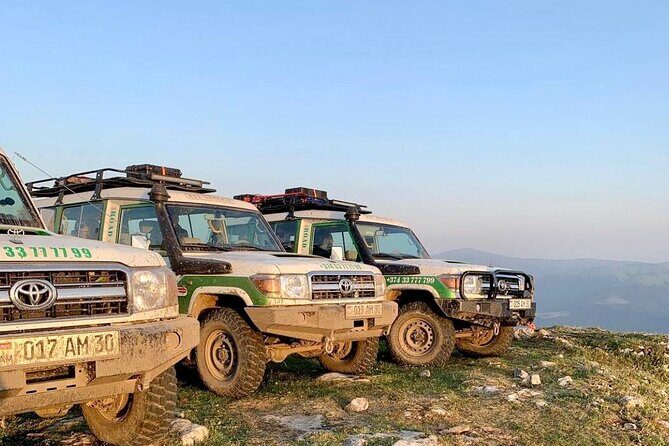
This tour includes air-conditioned vehicle transport and pickup. That’s a simple line on paper, but it changes the experience. Armenia can run hot or cool depending on season, and having climate control helps you stay comfortable for a full 7–8 hours.
You also get a local driver who speaks English or Russian. The real value is how they connect the dots while you’re driving between stops. In the feedback I saw, Levon was specifically praised for safe, careful driving and for giving clear historical information at each location. Teresa was also mentioned as part of that smooth, supportive service.
If you care about understanding what you’re looking at, this format works well. You’re not stuck reading plaques silently while everyone else moves on. Instead, you can get the main points in plain language, and then decide how long you want to linger.
Garni Temple: pre-Christian Armenia in Ionic stone
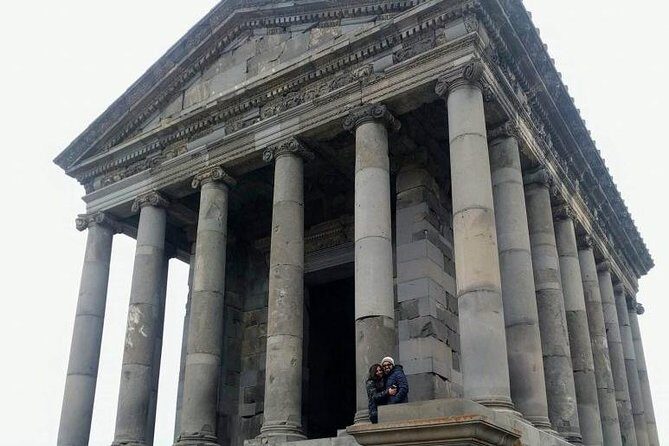
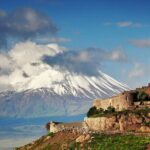
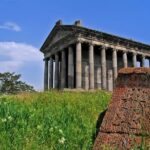
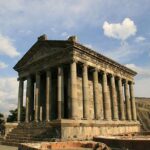
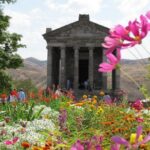
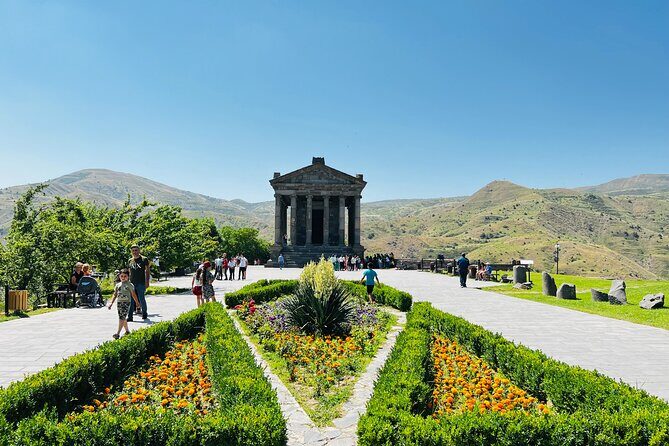
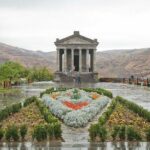
Garni Temple sits in the village of Garni and is one of Armenia’s most recognizable structures from before Christianity became dominant. It’s built in the Ionic style, and that detail matters because it signals architectural influence that feels different from the later medieval church style you’ll see elsewhere on the route.
The commonly told story is that it was likely built in the first century AD by King Tiridates I as a temple for the sun god Mihr. Later, after Armenia adopted Christianity in the early 300s, the building’s role shifted. It was transformed into a royal summer residence associated with Khosrovidukht, the sister of Tiridates III.
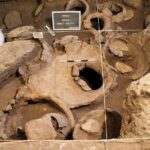
There’s also a scholarly angle worth knowing before you arrive: some academics think it may have functioned as a mausoleum rather than purely a temple. That debate is part of what makes Garni interesting to pause at. You’re looking at a structure that has survived partly because it didn’t follow the same fate as many other pagan buildings that were destroyed.
You’ll have about an hour here. That’s usually the sweet spot to walk the area, take photos, and enjoy the setting without feeling trapped in a long museum routine.
Tip: Wear shoes you’re comfortable walking in for uneven ground around ruins. The time goes fast, and you’ll want to move confidently.
Geghard Monastery: UNESCO, rock architecture, and the spear story
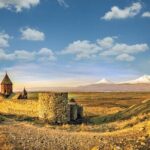
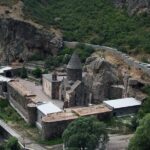
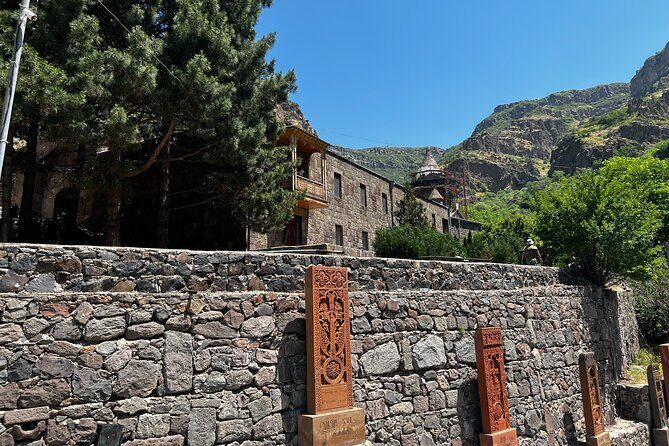
Geghard means spear, and the name isn’t just poetic. The monastery is part of a UNESCO World Heritage Site, and it’s known for its medieval setting and carved-rock feel. If you like religious architecture that looks like it grew out of the mountain, Geghard is the stop that tends to make people slow down.
The key story you’ll hear is about a relic: a spear allegedly associated with the Crucifixion. According to the tradition linked to this monastery, the spear was brought to Armenia by Apostle Jude here called Thaddeus and kept among other relics. It’s not on display at Geghard itself in the way you might expect; the information says it is now exhibited in the Treasury of Echmiadzin.
Even if you’re not tracking every detail of the relic tradition, the takeaway is clear: Geghard is a place where belief, legend, and stonework meet. You’ll have about an hour, which is enough to understand the site layout and absorb the atmosphere without turning it into a speed-run.
Possible drawback: if you’re the type who hates walking on uneven surfaces, plan for careful steps. Rock-hewn areas can be slippery depending on weather.
Tsaghkadzor: mountain-town calm and the cable car decision
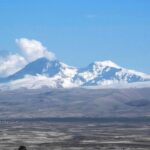
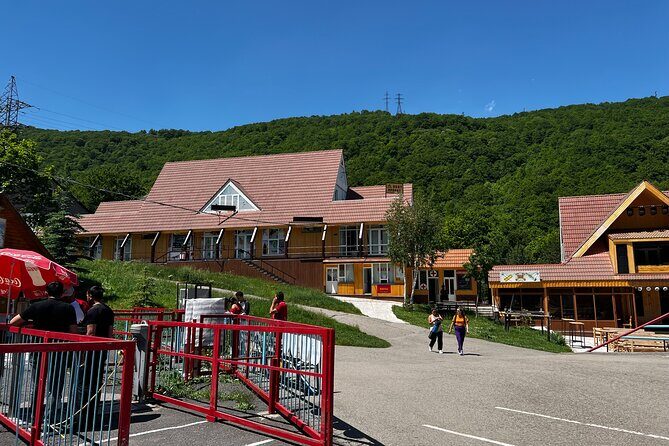
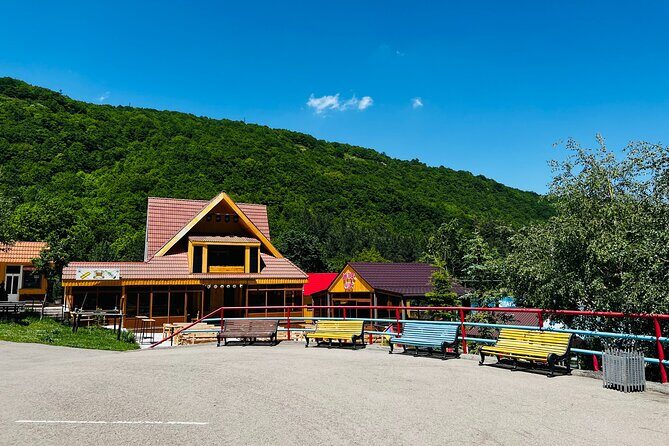
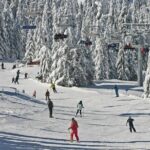
Tsaghkadzor is a mountain city shaped for rest. The route gives you about an hour here, which is just enough time to stroll, take in the views, and decide whether you want to add the cable car.
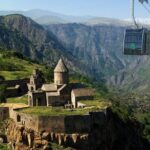
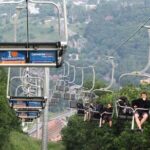
The cable car is a standout feature in the town. It runs to a long ski-lift stretch: 6,175 meters, moving skiers from around 1,966 meters up to about 2,819 meters above sea level. The numbers make it sound technical, but they’re useful when you’re deciding how adventurous you want to be.
Important: the cable car ticket is not included. So you’re really choosing between:
- enjoy Tsaghkadzor at a relaxed pace with no extra costs, or
- add the cable car for that higher viewpoint experience.
Either way, the stop works because it breaks the rhythm between UNESCO sites and Sevan’s lake scenery.
Tip: If the weather looks variable, check the sky before committing to a cable car ride. In mountain areas, conditions can change quickly.
Other Tsaghkadzor and Kecharis tours we have reviewed in Yerevan

Lake Sevan: scale you can measure
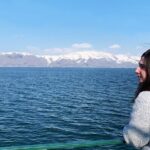
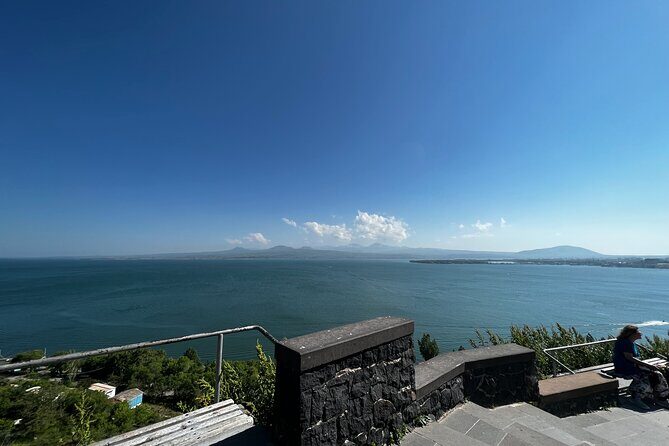
Then the route opens up to Lake Sevan, and it’s not subtle. Sevan is the largest body of water in Armenia and the Caucasus region. It’s also one of the biggest freshwater high-altitude (alpine) lakes in Eurasia, sitting at an altitude of about 1,900.44 meters.
A few facts help you understand why locals talk about this lake like a major life system, not just scenery:
- Sevan is fed by 28 rivers and streams.
- It supports most of Armenia’s fish and crayfish catch, with the information saying about 90% of fish and 80% of crayfish catch.
There’s also an economic, cultural, and recreational value that shows up in how people use the shoreline and the way the region is organized around the lake. You’ll get around 30 minutes for this first Sevan stop, which is perfect for a quick orientation and photo time.
Tip: Bring a layer. High-altitude water can mean cooler air, even when Yerevan feels warm.
Sevanavank: how a monastery becomes part of a peninsula
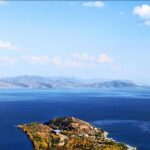
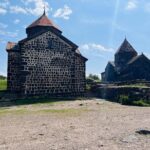
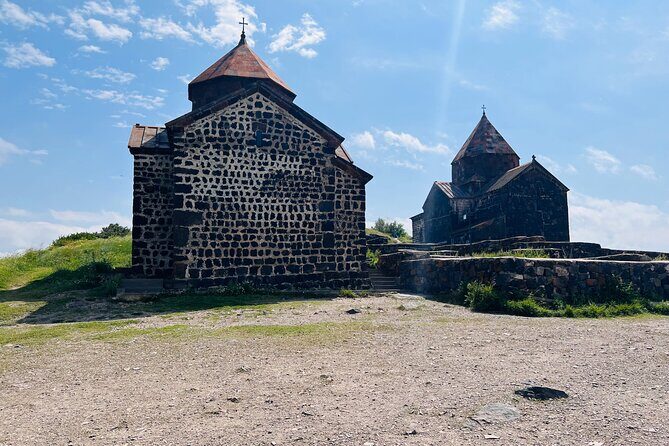
Sevanavank is a monastic complex on a peninsula at the northwestern shore of Lake Sevan. The setting is the main reason to care. You’re not looking at a random church in a city block—you’re watching the monastery’s relationship to the water shift in real-world geography.
Here’s the story that makes the stop more than scenic:
- The monastery originally stood at the southern shore of a small island.
- During the artificial draining of Lake Sevan, which began in Joseph Stalin’s era, the water level fell about 20 meters.
- That change turned the island into a peninsula, so the monastery’s surroundings transformed.
On the peninsula today, you can also see how different institutions use the shore:
- a guesthouse of the Armenian Writers’ Union was built near the southern shore
- the eastern shore has the Armenian president’s summer residence
- the active seminary moved to newly constructed buildings on the northern shore
You’ll have about 45 minutes at Sevanavank. For many people, that’s long enough to walk around, view the complex from key angles, and let the story of land-change sink in.
Balance check: it’s still a religious site, so dress and behavior should match a place of worship. No need to overthink it—just stay respectful and take your time.
Price and value: what $150 covers when you split it
The price is $150 per group, up to 3 people. For a private tour with pickup and an air-conditioned vehicle, that can be good value—especially if you’re traveling as a pair or small family group. The per-person cost drops quickly if you fill all spots.
What’s included:
- private transportation by air-conditioned vehicle
- a driver who speaks English/Russian
- Wi‑Fi during the tour
- pickup
- a mobile ticket
What’s not included:
- entrance fees
- cable car tickets in Tsaghkadzor
One important nuance: the plan indicates admission ticket free at multiple stops. Even so, you should treat entrance fees as not guaranteed beyond what’s described in the route, and cable car is clearly an extra cost. If you want to be comfortable, set aside a small budget for optional entries and any additional activities you decide on once you see things in person.
What the day feels like in real life (timing and pacing)
With stops timed at roughly:
- Garni: 1 hour
- Geghard: 1 hour
- Tsaghkadzor: 1 hour
- Sevan: 30 minutes
- Sevanavank: 45 minutes
…you’ll be sightseeing for several focused blocks, then driving between them. That structure usually works well because each stop has a clear purpose:
- Garni gives you an architectural “before Christianity” anchor.
- Geghard shifts you into UNESCO medieval rock monastery mode.
- Tsaghkadzor adds a break in mood with mountain town life and an optional cable car.
- Sevan brings in scale and high-altitude water facts.
- Sevanavank ends the day with a story you can see in the geography.
If you’re prone to over-scheduling, this tour’s pacing helps. It gives time to look without turning everything into a checklist.
Who this tour suits best
I’d recommend this private route if you:
- want a simple, low-hassle day from Yerevan that covers major sites
- prefer drivers who explain history and context in plain language
- travel with a small group (up to 3) and like the privacy
- care about mixing pre-Christian and Christian-era Armenia with natural scenery
You might want a different plan if you’re hoping for a super long time at one single stop, because this day is designed for variety and connection across locations.
Should you book the private Garni–Geghard–Tsaghkadzor–Sevan tour?
If you want one well-structured day that ties together Armenia’s shifting religious story and its dramatic lake-region geography, this is a strong choice. The combination of private transport, Wi‑Fi, and a driver like Levon (praised for safe driving and informative explanations) makes the experience feel smooth from start to finish. Teresa also came up in the feedback as part of that supportive, reliable service.
Book it if you’re flexible about add-ons and you’re open to paying extra only where you choose it—mainly the Tsaghkadzor cable car. Skip it only if you’re aiming for a slow, deep stay at one place rather than a balanced highlights route.
FAQ
How long is the private tour?
It runs about 7 to 8 hours.
What does the tour cost?
It costs $150 per group, up to 3 people.
Is pickup included?
Yes, pickup is offered.
What languages do the drivers speak?
The driver speaks English or Russian.
Are entrance fees included?
Entrance fees are not included (though the route lists free admission tickets at the stops).
Is the Tsaghkadzor cable car included?
No. Cable car tickets are not included.
Can I cancel for a full refund?
Yes. You can cancel up to 24 hours in advance for a full refund.