REVIEW · YEREVAN
Yerevan: Garni, Geghard, Symphony of Stones & Lavash Baking
Book on Viator →Operated by ONE WAY TOUR · Bookable on Viator
Ararat is the warm-up act on this day trip. You’ll start with a famous viewpoint, then hit UNESCO rock-cut wonders and a pagan temple, all with a local guide shaping the day into a clear story. It’s one of those trips where the drive feels short because the stops keep paying you back.
I love how much ground you cover in about six hours without feeling like a cattle run. I also love the pairing of big history with hands-on food culture at the lavash masterclass. One possible drawback: if winter weather rolls in, you may have to deal with reduced Ararat views or plan changes, since this tour depends on good conditions.
In This Review
- Key highlights I’d focus on before you book
- Charents Arch and the Mount Ararat viewpoint stop
- Geghard Monastery: rock-carved calm and the spear legend
- The Symphony of Stones in Azat Canyon (basalt organ time)
- Garni Temple: pagan Armenia, rebuilt after disaster
- Lavash baking masterclass: bread culture you can actually taste
- Price and logistics: is this $23 worth it?
- What you’ll feel on the day (and who it fits best)
- Should you book this Yerevan day trip?
- FAQ
- What’s the meeting point for the tour?
- What time does the tour start?
- How long is the tour?
- Is the tour in English?
- Are there any extra entrance fees?
- What’s included in the price?
- Is the Symphony of Stones always visited?
- How many people are on the tour?
Key highlights I’d focus on before you book
- Charents Arch viewpoint built for the best Mount Ararat angle, with poem text on the façade
- Geghard Monastery: rock-carved medieval complex with the spear legend behind the name
- Symphony of Stones (basalt organ) in the canyon, built by nature into a striking pattern
- Garni Temple: Mithra sun-temple ruins restored after a major 1679 earthquake
- Lavash baking masterclass: included cultural stop, focused on how Armenia’s flatbread is made
Charents Arch and the Mount Ararat viewpoint stop
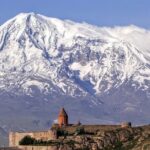
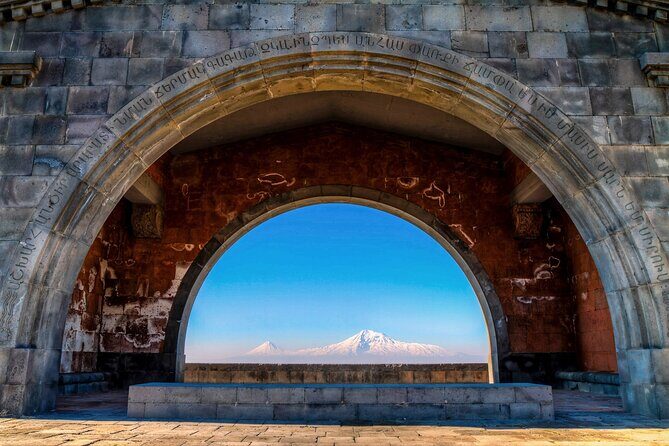
You’ll begin at the Komitas Yerevan State Conservatory (1a Sayat-Nova Ave), starting at 9:00 am, and the first payoff comes fast. The tour route passes through the village of Voghjaberd, where architect Rafael Israelyan noticed a special Ararat view from a nearby hill. In 1957, Israelyan completed a structure that locals learned to call the Arch of Charents.
This is a viewpoint stop, but it’s also a mini lesson. Large engraved letters on the entrance feature Yeghishe Charents’s poetic line about loving Mount Masis and the world beyond it. Standing here, you get Armenia’s trademark symbol without needing to do anything complicated—just look up, wait a minute for the light, and let the guide frame what you’re seeing.
Timing-wise, you get about an hour, and entrance is free. The main consideration is visibility. If the sky is unclear, Ararat may be muted or hidden, and that changes the mood of this stop. If you’re visiting in colder months, dress for wind, not just sun.
Other Garni and Geghard tours we have reviewed in Yerevan

Geghard Monastery: rock-carved calm and the spear legend
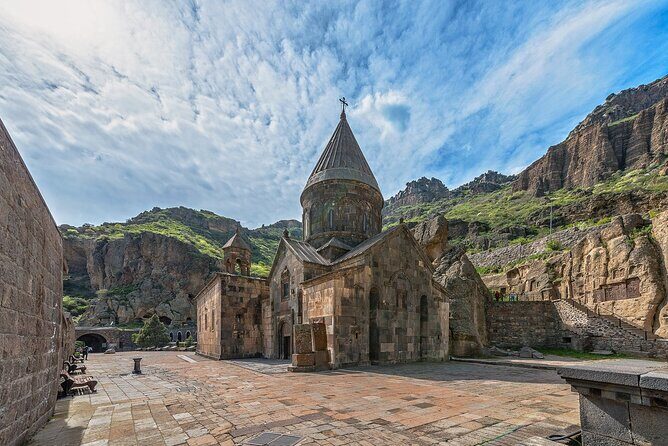
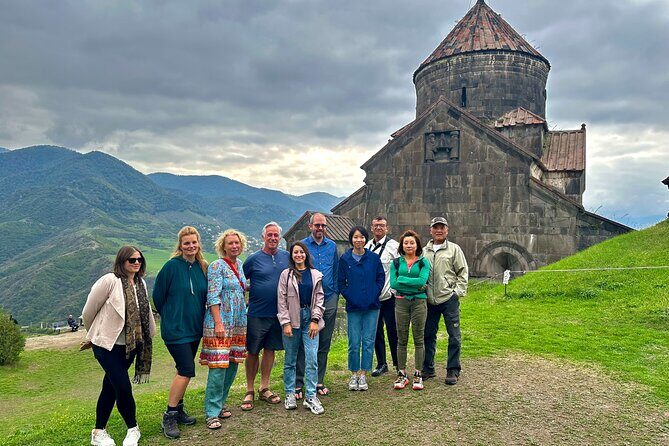
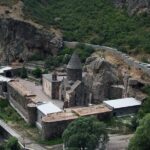
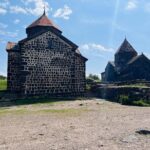
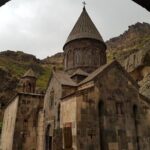
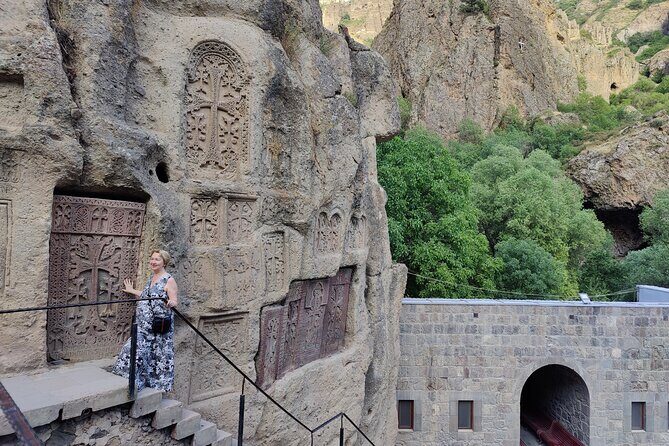
Next comes Geghard Monastery, a UNESCO World Heritage Site in Kotayk province. The complex is partially carved into the mountain itself, with cliffs around it that make the setting feel naturally protected. Expect that “quiet inside a dramatic place” feeling the moment you start walking.
What makes Geghard more than just pretty stone is the story tied to its name. Geghardavank translates as “the Monastery of the Spear.” Tradition connects the spear that wounded Jesus at the Crucifixion to Armenia, brought by Apostle Jude (Thaddeus) and stored among relics. The tour also points out that this spear is believed to be kept in the Echmiadzin treasury.
You’ll have around an hour here, and admission is free. The practical reality: rock-cut sites often mean uneven footing and stairs. If you’re wearing slick soles, switch to grippy shoes. Also, give yourself a minute before photos, so you can hear the guide’s explanation and not just chase angles.
This stop is also where the guide’s style matters most. Many guides for this tour are praised for storytelling that makes the places feel connected rather than like separate photo stops. Names that come up again and again include Igor, Yegor, Gyorg, Ani, Hasmik (Jasmine), Mery, and Taku, with a common thread of clear explanations and patient answers.
The Symphony of Stones in Azat Canyon (basalt organ time)
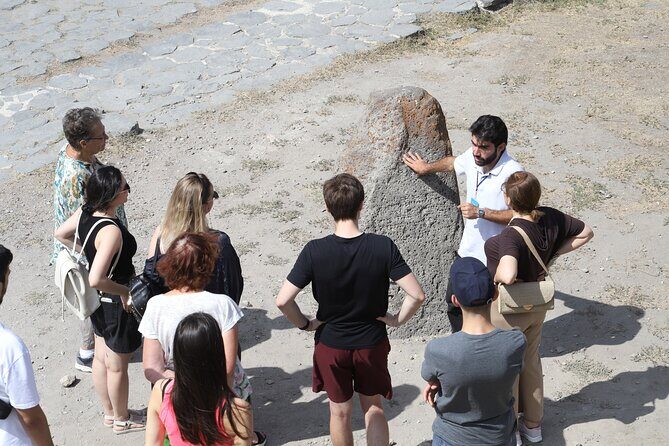
After Geghard’s cliffside stillness, you head to something that looks like it shouldn’t be real: Symphony of Stones. This is the famous basalt organ, a natural formation where the stone pieces line up with symmetry. In the canyon, the hexagonal columns stretch in sequence across the view, and from the right angle they resemble organ pipes—hence the nickname.
You’ll get about an hour here. Entrance is not included, and it costs 300 AMD. If you care about photos, this is the stop where timing matters most. You want clear sight lines down the canyon and enough light to show the stone pattern.
One more thing: this part of the day can be affected by conditions. Several people describe weather-related changes, including days when access or plans get adjusted because of snow. Since the tour is designed around good weather, keep expectations flexible. You’re still likely to come away impressed; the issue is more about how fully you can enjoy the canyon.
Garni Temple: pagan Armenia, rebuilt after disaster
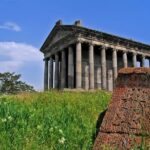
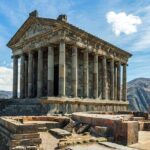
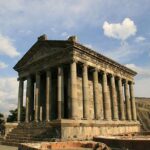
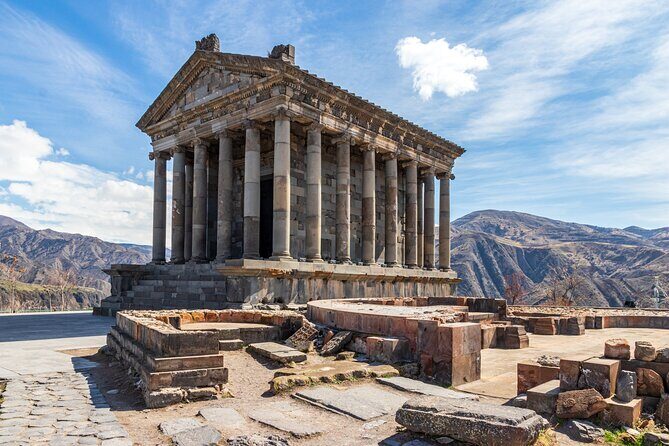
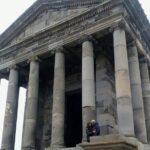
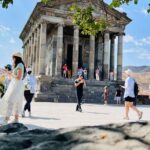
Then the day shifts into pre-Christian Armenia at Garni Temple. The temple dates to the first century, and it’s dedicated to Mithra, the sun god. What makes it special is that it’s described as the only preserved pagan temple in Armenia and in the territory of the former USSR.
Garni also carries the “survived the long timeline” energy. It was destroyed by a devastating earthquake in 1679 and later restored over about 8 years, from 1968 to 1975. You’ll feel that blend of ancient roots and human effort when you’re standing in front of it.
Expect about an hour at the temple area. Entrance is not included and costs 1500 AMD. This is also where you’ll want to slow down for a few photos without blocking others. The temple sits on a landscape that invites wide shots, but the best images come from stepping to the side and letting the stone structure and mountain backdrop work together.
If you’re the kind of traveler who likes context, Garni is a great match. A strong guide will connect the temple’s religious role to what you saw at Geghard, even though the traditions are different.
Lavash baking masterclass: bread culture you can actually taste
The day ends with a lavash masterclass, included in the price, lasting about 40 minutes. This is Armenia’s most famous flatbread, and the class is designed to show how it’s baked. Even if you’ve eaten lavash before, the process is usually eye-opening because it’s both simple and precise.
The key value here is not just the bread. It’s the culture of making it—how the work is timed, how it’s handled, and how it becomes part of everyday life, not a museum display. You’ll also get to take part in eating, which makes the stop feel grounded right after the stone monuments.
That said, there’s one thing to watch for. Some people describe the session as mostly watching for a short time and then trying the bread, not always a fully hands-on workshop. If you want more active participation, ask your guide at the start what kind of involvement the class typically offers that day.
For most travelers, this is a high-reward finale: your brain has had a lot of dates and names, then your hands get something warm and real.
Other Symphony of Stones tours we have reviewed in Yerevan



Price and logistics: is this $23 worth it?
At $23 per person for a roughly 6-hour outing, the value is mostly in the combination: guide + transport + a cultural food stop. The major costs you’ll add on are Garni (1500 AMD) and Symphony of Stones (300 AMD), since both are listed as not included. In other words, you’re paying extra only for the two ticketed sights after you’ve covered the other free stops.
For many people, this ends up feeling fair because you’re not just visiting one place. You get:
- a first-stop Ararat viewpoint with built-in context,
- Geghard Monastery (UNESCO, rock-carved, free),
- Symphony of Stones (unique canyon formation, small paid ticket),
- Garni Temple (major pagan site, paid ticket),
- and lavash baking (included).
The group stays small, with a maximum of 20 travelers. That matters because it makes questions easier and reduces the time you’re stuck waiting while everyone lines up for the next photo.
One more practical note: many experiences include time for food around Garni even if lunch isn’t the headline. People have commented on restaurant stops and meal timing. If you’re picky about how your day runs, go hungry only in the way that reminds you to plan water and snacks.
What you’ll feel on the day (and who it fits best)
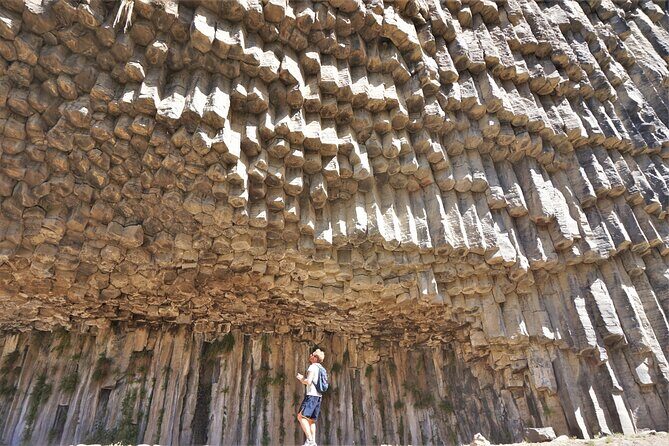
This trip works best when you want a tight sampler with good explanations. The structure is friendly for first-time visitors because the guide can frame each location’s role: Ararat as symbol, Geghard as medieval spirituality, Symphony of Stones as natural design, and Garni as pre-Christian Armenia.
I’d call it a strong fit for:
- solo travelers who want conversation without planning details,
- couples who like scenic stops with clear context,
- history-minded travelers who still want nature breaks,
- anyone who wants a meaningful Armenia taste in half a day.
It may be less ideal if you need perfectly controlled pacing. Some accounts mention that group flow can be affected when languages are mixed, or when weather reduces visibility. Since this tour depends on good conditions, you should also be ready for the possibility of adjustments.
A final practical tip: bring layers. You’ll spend time outdoors at viewpoints and in canyon areas, and temperatures can swing.
Should you book this Yerevan day trip?
If you want a high-impact UNESCO-heavy day without turning it into a full marathon, I’d book it. The mix of free and ticketed sites keeps the day from feeling bloated, and the lavash masterclass is a satisfying cultural closer.
I’d especially recommend it if you enjoy stories that connect monuments to Armenian identity, and if you like learning from guides who talk clearly and keep the group moving. The most praised part of the experience is the guiding itself—people frequently highlight guides like Igor, Yegor, Gyorg, Hasmik (Jasmine), Mery, Ani, and Taku, plus drivers described as careful.
Skip it only if you’re traveling during a time when weather reliability is your biggest concern and you’re upset if Ararat views are limited. Otherwise, this is a smart way to turn Yerevan into more than a city stay.
FAQ
What’s the meeting point for the tour?
The tour meets at Komitas Yerevan State Conservatory, 1a Sayat-Nova Ave, Yerevan 0001, Armenia.
What time does the tour start?
It starts at 9:00 am.
How long is the tour?
The tour lasts about 6 hours.
Is the tour in English?
Yes, it’s offered in English.
Are there any extra entrance fees?
Yes. Garni Temple costs 1500 AMD, and Symphony of Stones costs 300 AMD. Other stops in the itinerary are free.
What’s included in the price?
The price includes guide service, transport service, and the lavash baking masterclass.
Is the Symphony of Stones always visited?
It depends on conditions. The experience requires good weather, and plan changes can happen if conditions are poor.
How many people are on the tour?
There is a maximum of 20 travelers. Confirmation is received at booking time.
If you tell me your travel month and whether you care most about Ararat views or the monasteries, I can help you decide if this timing is ideal for your priorities.