REVIEW · YEREVAN
The Great Beauty of Armenia: 7-Day Culture and Cuisine Tour
Book on Viator →Operated by Barev Armenia Tours · Bookable on Viator
Seven days in Armenia can feel like magic. This private culture-and-cuisine route strings together Yerevan’s monuments, UNESCO monasteries, cave finds, and mineral-water stops, with wine and brandy tasting built in. The trade-off: it’s a packed schedule with long drives, so you’ll want comfy shoes and a flexible attitude if weather turns.
I also like the human side. Pickup in central Yerevan, a mobile ticket, and guides who bring energy to the day make the itinerary feel like it was designed for your time, not just checkboxes. On some departures, you’ll hear the same kind of positive, funny delivery from guides such as Gor Karapetyan.
At $750 per person, the value comes from the full week of private transport plus the admissions that are marked as included across the itinerary. The consideration is simple: some stops are free-entry, so plan a little extra for snacks, small purchases, and souvenirs.
In This Review
- Key highlights worth circling
- The private 7-day rhythm: pickups, tickets, and long driving days
- Yerevan day 1: Cafesjian art, Mother Armenia views, and Republic Square fountains
- Day 1 timing tip
- Matenadaran, Echmiadzin, Zvartnots, and ARARAT brandy: day 2’s spiritual and sensory arc
- Khor Virap, Areni cave wine, and Noravank red cliffs: day 3’s Ararat-and-wine combo
- Practical note for day 3
- Swing bridge caves, Wings of Tatev, Shaqi waterfall, and Zorats Karer: day 4’s wild variety
- Day 4 reality check
- Silk Road caravan history, Noratus khachkars, Sevanavank, Charents’ Arch, and Geghard to Garni: day 5 hits every mood
- A good way to handle day 5
- Amberd Fortress and the History Museum of Armenia: day 6’s “big timeline” day
- Vernissage and Tashir: day 7’s shopping and last Ararat-shaped memories
- Small shopping strategy
- Price and value: is $750 a fair deal for a 7-day private loop?
- When this tour fits best (and who might want another option)
- Should you book The Great Beauty of Armenia?
- FAQ
- What is the duration and start time?
- How much does it cost?
- Is pickup included?
- Is this a private tour?
- Are mobile tickets used?
- Are admission tickets included?
- What are examples of paid attractions on the itinerary?
- What is the cancellation policy?
- How far in advance is it usually booked?
- How is the tour rated and recommended?
Key highlights worth circling
- UNESCO stops you can actually connect: Echmiadzin, Zvartnots, and Geghard are built into the flow.
- Cave history with real finds: Bird Cave includes mentions of ancient leather, plus an old winery thread.
- Wine and brandy on purpose: Areni tasting and ARARAT brandy samples add flavor to the story.
- Ararat views at key moments: Khor Virap and Charents’ Arch are timed for the big mountain.
- Cable car day that earns its place: Wings of Tatev gets you from Halidzor up to Tatev.
- Shopping time that fits real tastes: Vernissage plus Tashir sweets and dried fruit.
The private 7-day rhythm: pickups, tickets, and long driving days
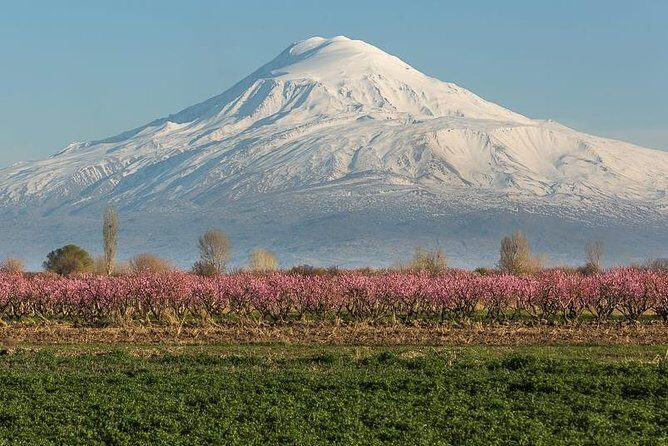
This tour is built as a private experience, so you’re not squeezed into a crowd. You start in Yerevan around 9:00 am, and pickup is handled with a visible sign (Barev Armenia) so you can find your guide fast.
You also get a mobile ticket, which matters on days that move quickly. The itinerary mixes paid admissions (clearly marked on the plan) with free-entry stops, so the day feels balanced: you’re not always paying, but you’re also not missing the big hitters.
One practical thing to know: the days can run long. In past weeks with this operator, the program commonly runs from roughly 9 to around 19:00. If you hate “go-go” days, this may feel intense, but if you like a full week of seeing a lot, it’s a strong format.
Other multi-day Armenia package tours we have reviewed in Yerevan
Yerevan day 1: Cafesjian art, Mother Armenia views, and Republic Square fountains
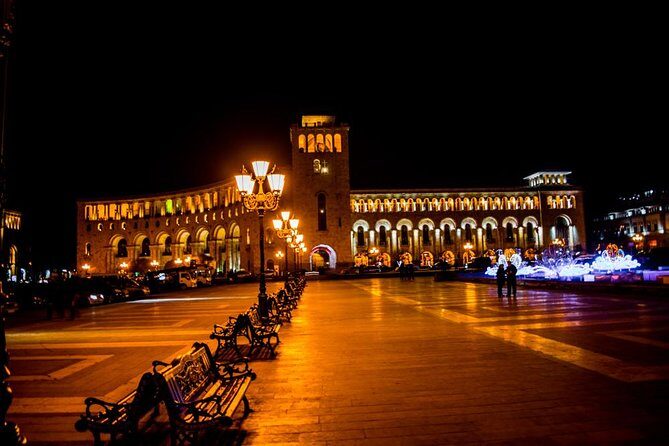
Yerevan starts with culture in a clever way. You begin at the Cafesjian Center for the Arts, which mixes contemporary works in museum halls with an open-air feel. It’s a good first stop because it gets you oriented without requiring a huge “history lecture” right away.
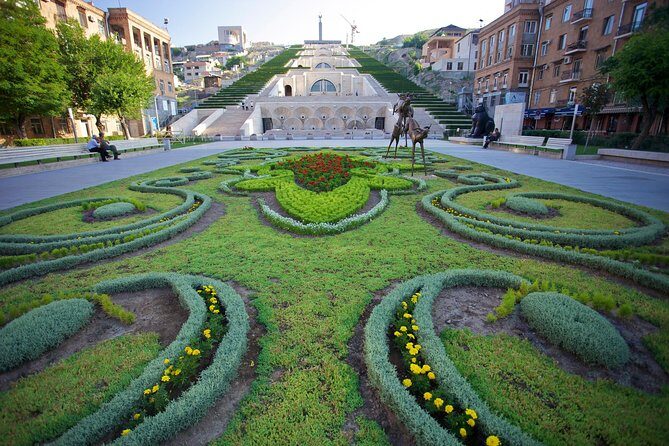
Next comes the Monument and viewpoint combo. Victory Park and Mother Armenia give you both story and scale, then you’re close enough to feel how the center sits under those monuments. You also stop at the Statue of David of Sassoun, tied to the Armenian national epic, so the city’s art and mythology show up immediately.
Then you land at Republic Square, the heart of Yerevan. The highlight here is the architectural ensemble and the singing fountains show. It’s the kind of stop that works whether you’re taking photos for your wall or just trying to get your bearings in a new city.
Day 1 timing tip
If you’re sensitive to walking, you’ll feel the day more because it’s all in-town stops. Comfortable shoes matter, but the payoff is that you start the week without jet-lagged driving fatigue.
Matenadaran, Echmiadzin, Zvartnots, and ARARAT brandy: day 2’s spiritual and sensory arc
Day 2 shifts from modern Yerevan to the roots of Armenian identity. You start at the Matenadaran, the Museum of Ancient Manuscripts. It’s described as one of the world’s richest depositories of medieval manuscripts and books, and that alone is the point: Armenia’s “big story” often lives on parchment and in the hands of scholars.
Then you go to Echmiadzin Monastery, the spiritual center of Armenia. This is where you visit the 4th-century Echmiadzin Cathedral and see how the Pontifical Residence of the Catholicos of All Armenians anchors the church’s presence. The city is about 20 km from Yerevan, so it’s a manageable day trip distance.
The itinerary also includes the Alex and Marie Manoogian Treasury House Museum at Echmiadzin, where the lance that pierced the side of Christ by the Roman soldier is said to be displayed. Even if you’re not traveling for religious sites, a treasury stop adds a different kind of intensity: artifacts turn ideas into something you can stand next to.
Next up is Zvartnots Temple, an early medieval Armenian architectural masterpiece and a UNESCO World Heritage Site. This is a great counterbalance to Echmiadzin because it shows an earlier layer of design and ambition.
Finally, you swing back toward everyday enjoyment with the ARARAT Museum and a brandy tasting at an ARARAT factory. Armenia doesn’t treat spirits as an afterthought, and this stop is one of the more fun ways to end a day loaded with sacred history.
Khor Virap, Areni cave wine, and Noravank red cliffs: day 3’s Ararat-and-wine combo
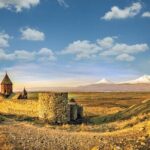
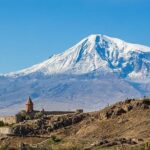
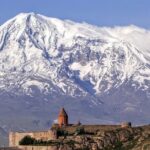
Day 3 begins with Khor Virap, one of the strongest “Ararat view” moments on the itinerary. The stop is short, but it’s timed for that view of Mount Ararat, which is the recurring visual theme of this route. You don’t need a long lecture; the mountain speaks for itself.
From there you head toward the wine story of the country. You visit T’rchuneri (Bird) Cave, described as a site where archaeologists found ancient one-piece leather work and mentions of a 6000-year-old winery. It’s the kind of stop that turns your “wow” reflex into something more specific: ancient daily life, not just ruins.
Then you taste at an Areni Wine Factory. Areni is highlighted as a developing wine region producing indigenous red wine Areni, and the stop is designed to put a name to the flavor you’re imagining.
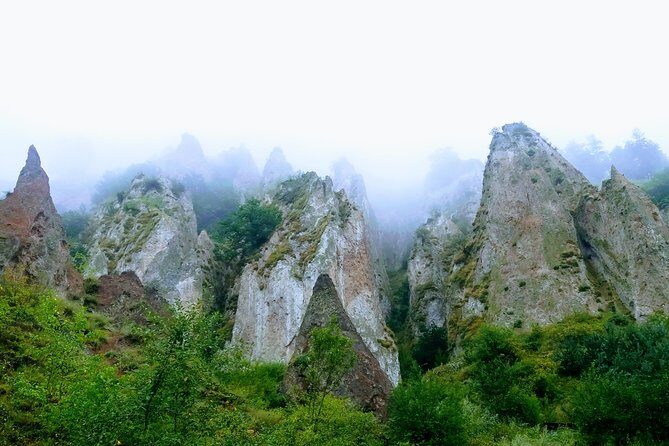
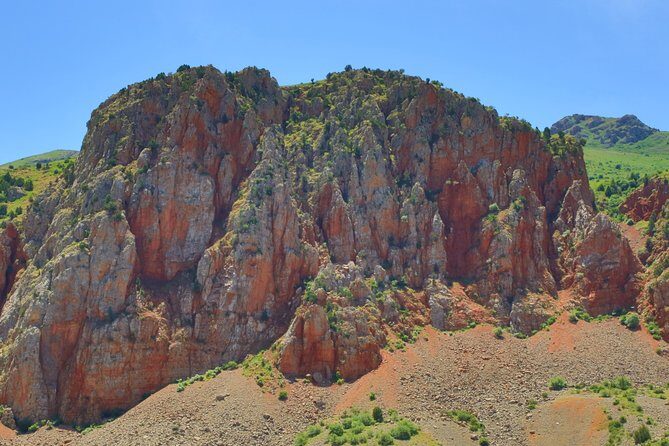
Next you visit Noravank Monastery, tucked into mystic red cliffs. This is the itinerary’s “dramatic geometry” moment, where monasteries feel like they were built to fit the rocks rather than replace them.
The day finishes in Jermuk, a resort town known for a retreat-style atmosphere. You visit the drink gallery with mineral water sources and also see Jermuk Waterfall. It’s not just pretty scenery; it’s a change of pace from temples and caverns.
A few more Yerevan tours and experiences worth a look
Practical note for day 3
Bring layers. Viewpoints like Khor Virap can feel cool and windy, while wine and cave stops can make you want a quick warm-up afterward.
Swing bridge caves, Wings of Tatev, Shaqi waterfall, and Zorats Karer: day 4’s wild variety
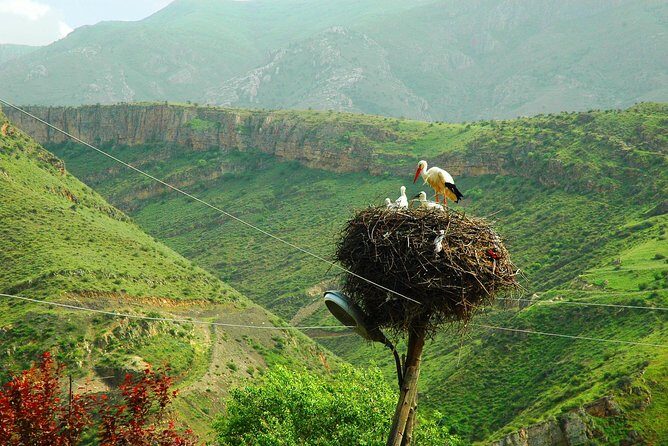
Day 4 is where the tour starts feeling like a “best-of” montage in the best way. You begin at Khndzoresk, an old uninhabited cave town reached via the Khndzoresk swinging bridge. The bridge is short, but it makes the whole place feel cinematic and a little otherworldly.
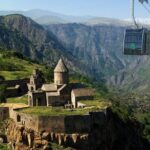
Then you go up to Tatev using the Wings of Tatev cable car from Halidzor village. The itinerary calls it the longest cable car in the world, and whether or not you’re a stats person, the reason to include it is simple: it turns a far destination into something you experience from above.
After Tatev, you stop at Shaki Waterfall, a reported 18-meter waterfall. It’s a quick hit, but it helps break up the day before the next stop that feels more scientific and ancient.
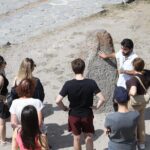
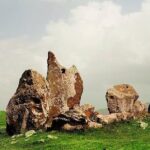
That next stop is Zorats Karer, also known as Zorats Stones or the Armenian Stonehenge idea. It’s described as a metallic installation dating back to the VI millennium B.C. and considered one of the oldest observatories. If you like structures that make you ask questions about how people thought about time, the stop will land well.
Day 4 reality check
This is the day where you notice the driving time. The route includes caves, cable car, waterfalls, and a megalith-type site, so pace is part of the value.
Silk Road caravan history, Noratus khachkars, Sevanavank, Charents’ Arch, and Geghard to Garni: day 5 hits every mood
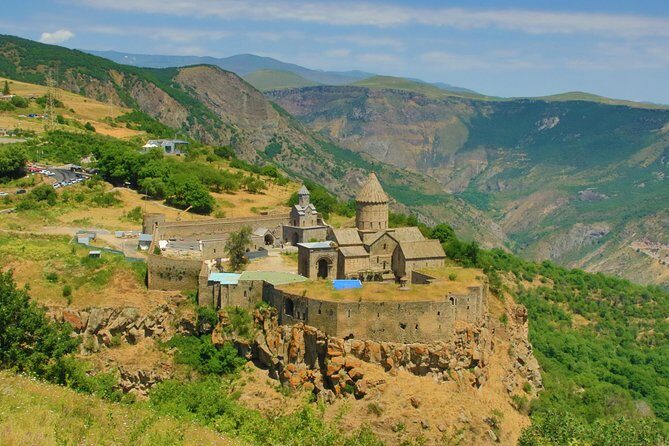
Day 5 is long, and that’s why it’s great. You start at Selim Caravanserai, a stop on the Great Silk Road route. Caravanserais mattered because they were built for travelers to rest during long trade journeys, and the site makes the Silk Road feel less like an idea and more like a set of real buildings.
Then you visit Noratus Cemetery, highlighted as the biggest khachkar cemetery in modern Armenia. Khachkars are carved stone memorials, and the cemetery gives you concentration: not one impressive example, but many, creating an atmosphere you don’t get from a single monument.
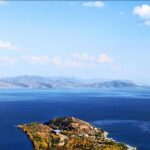
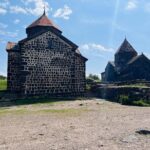
Next is Sevanavank on the shores of Lake Sevan, described as the biggest lake in the Caucasus. The monastery on the north-west shore is a calming switch after caravan history and cemetery carvings.
Then you get a fast photo moment at Charents’ Arch, with a view of Ararat. It’s short, but it matches what you’ve already seen: this tour keeps the mountain theme alive without making it repetitive.
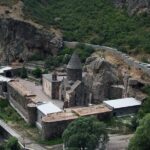
After that, you visit the Monastery of Geghard, a rocky XII–XIII century UNESCO World Heritage Site. Geghard’s setting on rock turns the visit into more than a walk; you feel the geology as part of the religious architecture.
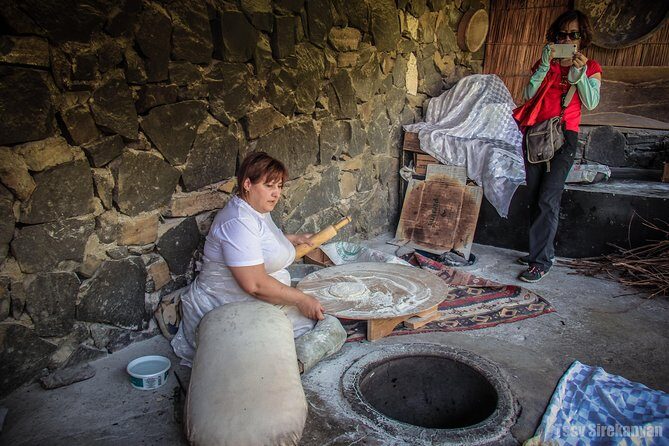
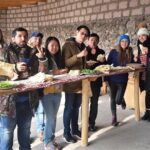
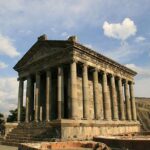
Finally, you end in Garni Temple. This is the pagan temple of Garni, described as the only restored monument referring to paganism and Hellenism. The stop also includes traditional lavash baking at a village house in Garni, which is one of those experiences you can actually take home as a memory and a taste.
A good way to handle day 5
Treat it like a sampler: if you try to over-focus on one stop, you’ll miss the emotional shifts. Today is designed for contrasts, from Silk Road stone to bread-making.
Amberd Fortress and the History Museum of Armenia: day 6’s “big timeline” day
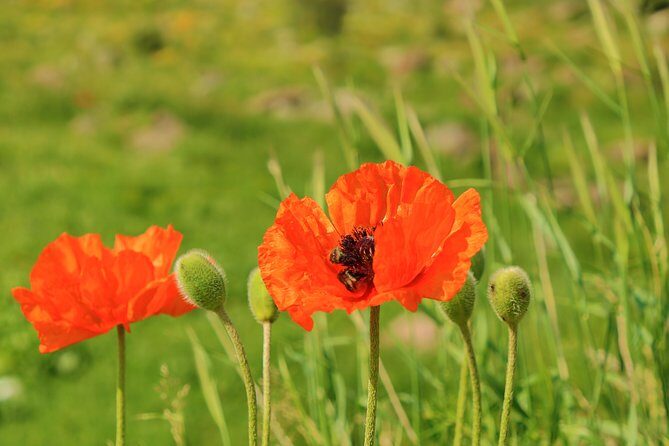
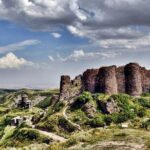
Day 6 is the “mountains plus timeline” day. You visit Amberd Fortress, described as a historical defense complex with a 7th-century castle and an 11th-century church. The big reason to come here is the views of the Armenian mountains, plus the way the site gives you a sense of how people protected themselves while still living in dramatic terrain.
After the fortress, you go to the History Museum of Armenia, where you move from the Paleolithic to the present. This museum stop is useful because it ties together the scattered time periods you’ve been seeing: caves, medieval monasteries, ancient observatory ideas, and the modern nation’s identity.
It’s also a smart day to put in because museums let you reset your senses after travel and outdoor walking.
Vernissage and Tashir: day 7’s shopping and last Ararat-shaped memories
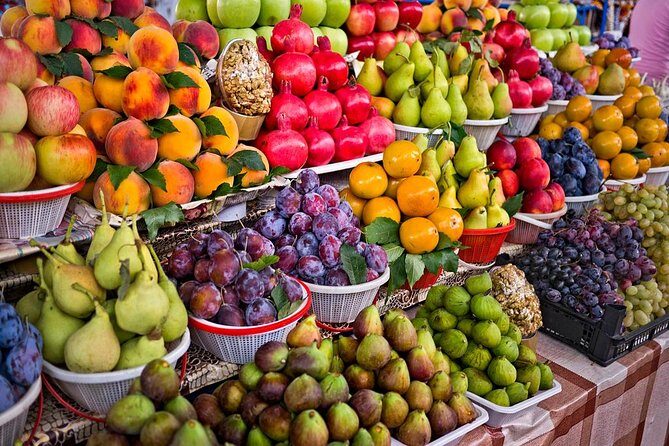
You finish with a market day that makes sense for the end of a trip. You visit Vernissage Market for souvenirs and local products, including wines, brandies, dried fruits, sweets, herbs, jewelry, and more. Then you also go to Tashir, described as the market of local sweets and dried fruits.
This is a good final day because you’ve already seen the monuments and religious sites. Now you can spend time choosing items that match what you liked: spirits if you enjoyed the ARARAT stop, food gifts if you liked wine and lavash, and small crafts if you wanted a tangible piece of the art side.
Small shopping strategy
If you plan to buy gifts, make a list on day 6. Then day 7 becomes faster and less stressful.
Price and value: is $750 a fair deal for a 7-day private loop?
For $750 per person, you’re paying for a private format, daily transport, and admissions marked as included on the itinerary. That pricing tends to make sense when a tour packs in a lot of spaced-out sites, because public transit wouldn’t handle the route comfortably in one week.
The value is also in the human pacing. One big theme in the strong feedback for this operator is that the guide keeps the day moving without making it feel like you’re being dragged. People also note that the car is comfortable and the schedule stays organized.
Where the “fair deal” turns into “be honest with yourself” is the intensity. This is not a slow travel week. You’ll be doing outdoor stops, monuments, and long days, which is great if that’s your style.
When this tour fits best (and who might want another option)
This tour fits you well if you want a week that mixes Armenia’s big categories: monasteries, cave sites, mountain views, and food/drink tasting. It’s also a good choice if you like the structure of a planned route but still want a human guide to explain what you’re seeing.
You might want to think twice if you hate long driving days or if you’re very sensitive to cold weather. The route includes outdoor viewpoints and sites, and on some departures, the operator has adjusted with indoor options when conditions were tough.
If you’re traveling with older family members, the private setup can help because you can often pace stops to your group’s needs. That flexibility is one of the underrated reasons to pick a private tour.
Should you book The Great Beauty of Armenia?
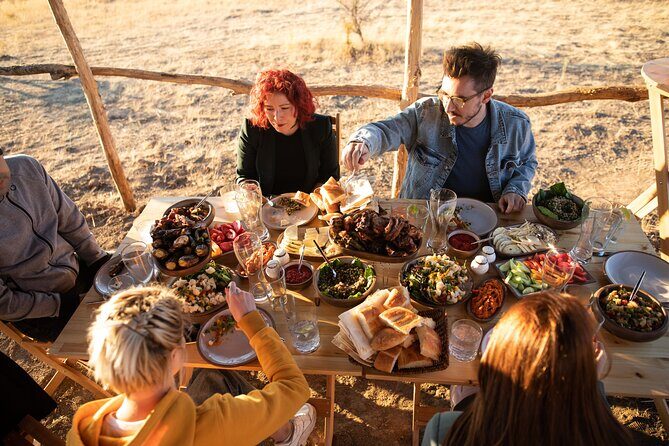
If you want a high-activity week with a clear plan, I’d say yes. The itinerary balances serious sites with sensory stops like brandy tasting, wine tasting, mineral water, lavash baking, and market time, so you don’t feel like you’re only seeing stone.
Book this one if you like structure, and you’re happy to spend most days outside or on the move. Skip it if you want a slow, flexible itinerary with lots of free time in cafés. This is designed for seeing, learning, and tasting, in that order.
FAQ
What is the duration and start time?
The tour runs for 7 days (approx.) and starts at 9:00 am.
How much does it cost?
The price is $750.00 per person.
Is pickup included?
Yes. Pickup is offered, and you’ll meet at any time of day with the sign Barev Armenia to be taken to your place of residence in Yerevan.
Is this a private tour?
Yes. It’s listed as a private tour/activity, and only your group participates.
Are mobile tickets used?
Yes. Mobile ticket is included.
Are admission tickets included?
Some stops include admissions and others are free-entry. For example, Cafesjian Center for the Arts and Republic Square are marked as admission included on day 1, while several viewpoint and monastery stops are marked free.
What are examples of paid attractions on the itinerary?
Examples marked as admission included include Matenadaran, Echmiadzin Cathedral and treasury house stops, Zvartnots, ARARAT Museum (with tasting), Wings of Tatev cable car, Geghard, and Garni (with lavash baking).
What is the cancellation policy?
Cancellation is free. You can cancel up to 24 hours in advance for a full refund.
How far in advance is it usually booked?
On average, it is booked 172 days in advance.
How is the tour rated and recommended?
It has a rating of 5 with 35 reviews and a recommendation rate of 100%.