REVIEW · YEREVAN
Group Tour: Garni, Symphony of Stones, Geghard, Lavash Baking
Book on Viator →Operated by Hyur Service · Bookable on Viator
Stone temples and bread-making in one half day. This Garni–Geghard loop from Hyur Service pairs all entrance fees included with a real lavash baking master class and tasting time. The one thing to plan around: there’s no proper lunch stop, so you’ll want to snack smart.
What makes this tour work well for first-time Armenia visitors is the tight, sensible routing and the way the guide keeps things moving without turning the day into a sprint. On this circuit you’ll hit Garni Temple, the basalt formations of the Symphony of Stones, and the 13th-century rock-cut churches at Geghard, with short photo breaks in between.
A heads-up: the experience runs in English plus Russian (consecutively), so sometimes one language group will wait while the guide translates. If you’re okay with that, you’ll get a lot of context without feeling rushed.
In This Review
- Key things to know before you go
- A half-day circuit of Garni, Geghard, and Armenian food
- Getting to Hyur Service and how the day flows
- Charent’s Arch: a quick viewpoint with big-sky potential
- Garni Temple: Greco-Roman ruins over a cliff, plus lavash baking
- Symphony of Stones: basalt organ columns in a short 30-minute visit
- Geghard Monastery: rock-cut churches, khachkars, and UNESCO in an hour
- Price and value: what $28 buys you (and why it feels fair)
- Guide style: clear explanations without the hard sell
- Comfort, weather, and practical gotchas
- Winter option: Symphony of Stones may swap to sujukh-making
- Should you book the Garni–Geghard tour with Hyur Service?
- FAQ
- How long is the Garni, Symphony of Stones, Geghard, and lavash tour?
- What’s included in the price?
- Is lunch included?
- Do I need to buy entrance tickets separately?
- What language is the guide?
- Does the itinerary change in winter?
Key things to know before you go
- Entry fees are handled for Garni and the Symphony of Stones, so you don’t have to juggle tickets
- Lavash master class with tasting near Garni adds a hands-on Armenian-food moment
- Short stops, smart timing keeps the day around 5–6 hours with room to look around
- Geghard is a highlight: rock-cut churches, khachkars, and a UNESCO-listed complex
- Roads can be bumpy on the way to the canyon, especially if the schedule hits rougher terrain
- Winter plans may change: Symphony of Stones can switch to a sujukh-making class if access is closed
A half-day circuit of Garni, Geghard, and Armenian food
This is the kind of day trip that helps you get your bearings fast. You start in central Yerevan and spend a few hours learning how Armenia’s story is written in stone: pagan roots at Garni, then Christianity and rock-cut architecture at Geghard, plus the weirdly perfect geometry of basalt columns at the Symphony of Stones.
The food part matters here, not just as a souvenir. The lavash baking session is hands-on, and the tasting you get afterward is more satisfying than the usual quick bite. If you want your first day outside Yerevan to feel cultural (not just scenic), this is a strong match.
This also works for different travel styles. You’ll get guided explanations at every stop, but the stops themselves are timed so you can still wander, take photos, and step back to watch the views change as you move.
Other Garni and Geghard tours we have reviewed in Yerevan
Getting to Hyur Service and how the day flows
You meet at Hyur Service, 96 Nalbandyan poxoc, Yerevan. The tour ends back at the same spot, so you don’t have to worry about complicated drop-offs across town.
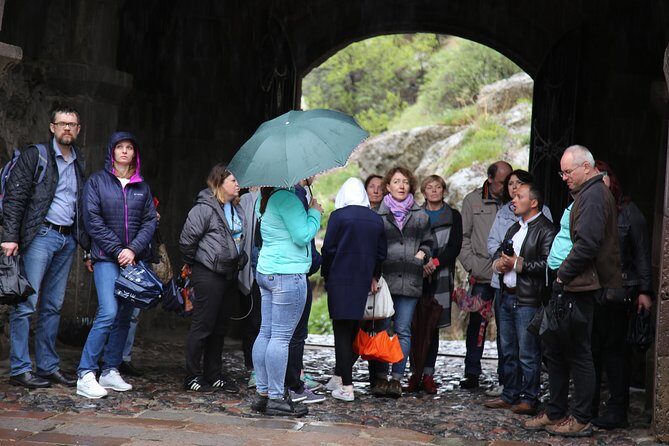
From there, expect a smooth half-day rhythm. There’s a short first stop (about 15 minutes) for check-in at the meeting point area. Then you head out to your first major viewpoint, followed by three big hitters: Garni Temple, the Symphony of Stones, and Geghard Monastery.
Group size is capped at 49 travelers, and the transport includes air conditioning and WiFi in the vehicle, plus bottled water and light snacks. Several guides on this route (like Sam and Gayane) have been praised for being clear and welcoming, which makes a big difference on a day like this when you’re hopping from one setting to the next.
One small practical note: if you care about where you sit, arrive with a little buffer. People have found it easier to grab better seats when they get to the office earlier.
Charent’s Arch: a quick viewpoint with big-sky potential
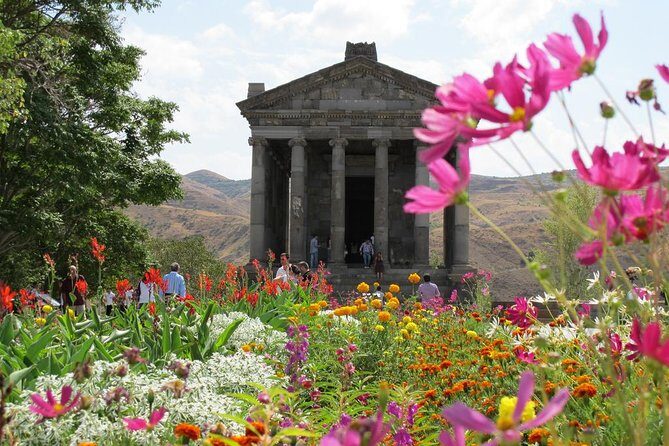
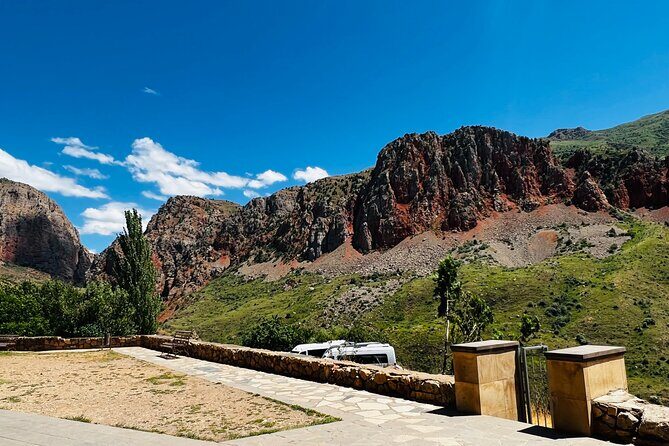
Charent’s Arch is your short orientation stop, about 15 minutes. This is less about a long guided lecture and more about grabbing the right angle for photos and soaking in the wider view.
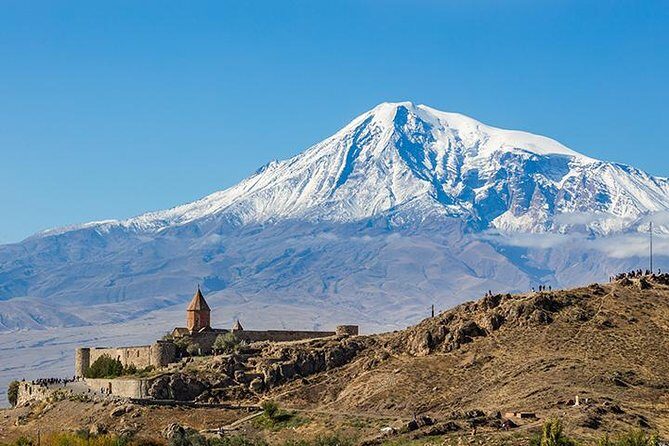
From here, you may get excellent sightlines toward Mount Ararat on a clear day (not every day, but it’s commonly part of why this stop is scheduled). It’s a nice reset before you start climbing into the more “ruins and rock” mood of the rest of the tour.
If it’s cold or windy, treat this as a quick snack-and-photo break. You won’t be standing around for long.
Garni Temple: Greco-Roman ruins over a cliff, plus lavash baking
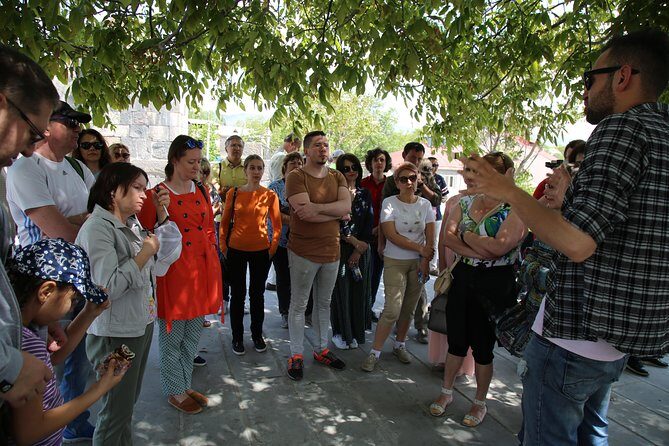
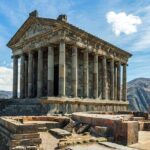
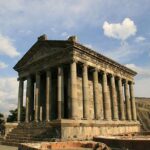
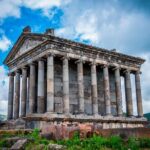
Garni Temple is the star of the day’s pagan chapter. You’ll spend about 1 hour 30 minutes here, and that time is shared between the temple area and the nearby lavash baking activity.
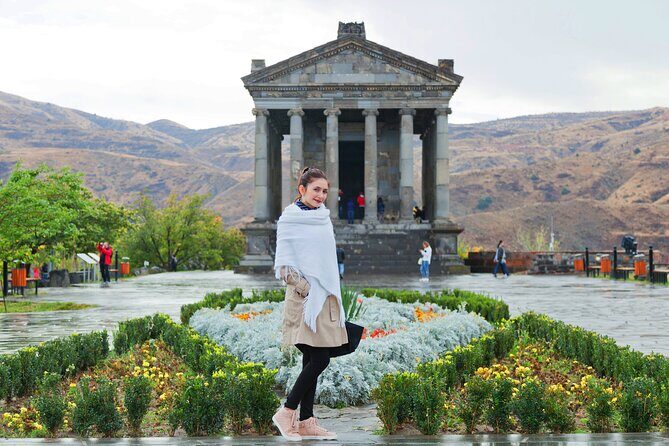
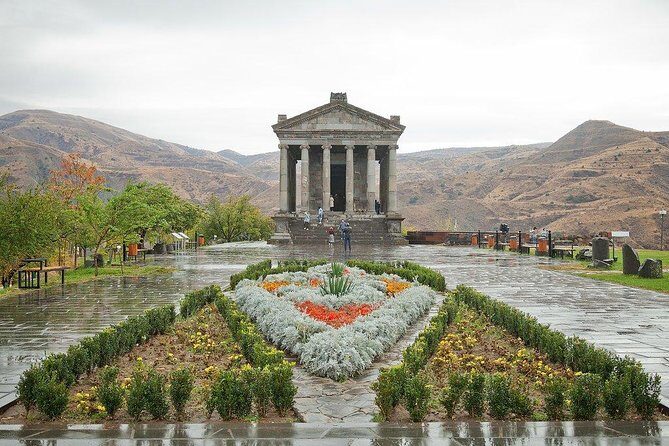
What I like about Garni is the way it looks both ancient and oddly specific. The temple towers over a triangular cape, and it’s described as the unique surviving example of heathen culture in Armenia—built in a mix of Greco-Roman and Armenian styles. The story goes back to the first century AD under King Trdat the First, dedicated to the sun. After Armenia adopted Christianity in 301, the pagan temple’s role faded, and Garni shifted again into a royal summer residence. Nearby you can also spot remains of the royal palace area and a famous mosaic-style “bath” ruin.
Then comes the part many people remember longer than the photos: the lavash baking procedure. This is where you see how everyday Armenian food is made with real skill. The tour includes a master class and tasting, and you’ll also have pastries and drinks during the day, so you’re not walking around hungry.
A couple of practical tips for this stop:
- Wear shoes you’re comfortable walking in. Temple areas often involve uneven ground.
- Bring small cash/change if you want to use facilities on the day. One useful tip from the day-trippers: bathroom services may require a bit of change.
- If you’re traveling with food preferences, remember there’s no lunch, but there’s bread and snack-style offerings here and later.
Symphony of Stones: basalt organ columns in a short 30-minute visit
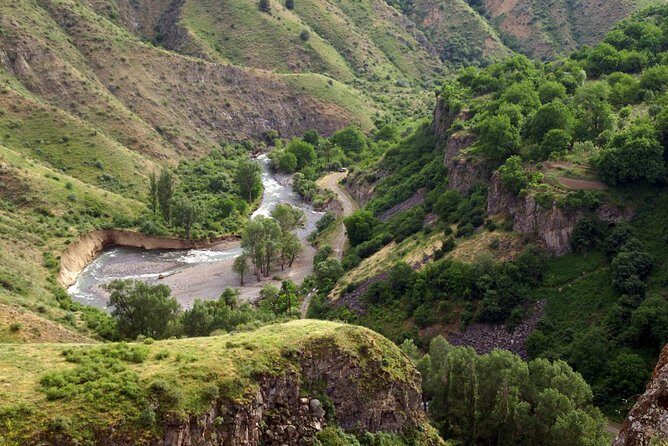
Next up is the Symphony of Stones in the Garni canyon area. Your time here is about 30 minutes, and it’s focused—just long enough to appreciate what you’re looking at and get a handful of solid photos.
The feature is geological: columnar basalts created by ancient lava flows. The basalt masses break into polyhedral columns, and because the columns look so orderly, the site is often compared to an organ—people call it the Basaltic Organ for a reason.
This stop is a good example of why a structured day trip can work better than DIY. You’ll get the context from the guide and you won’t waste time trying to find the best viewing angles yourself.
One comfort consideration: the canyon road can feel bumpy. If you’re prone to motion sickness, plan for that. A practical trick some people use is to go easy on sweets before the ride or bring something like Sea-Bands if you rely on them.
Other Symphony of Stones tours we have reviewed in Yerevan


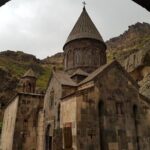
Geghard Monastery: rock-cut churches, khachkars, and UNESCO in an hour
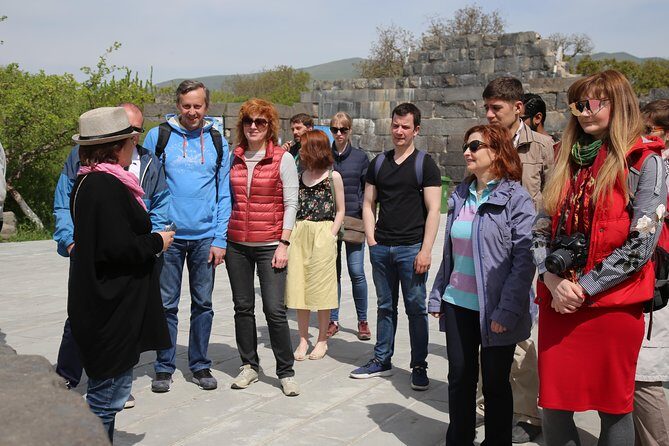
If Garni is the story of the sun temple, Geghard is where Armenia’s spiritual architecture takes center stage.
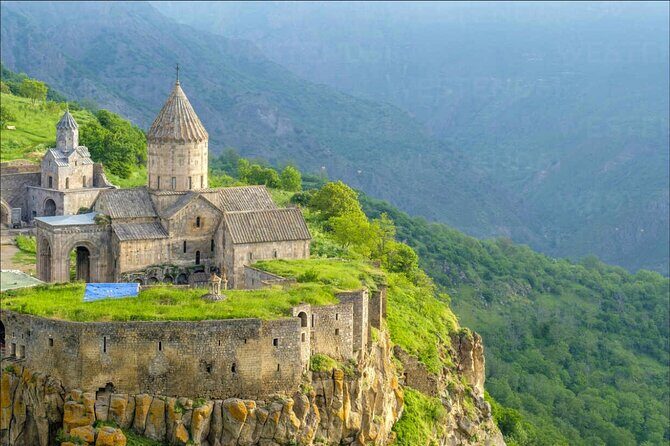
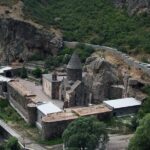
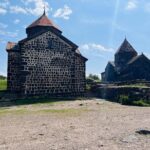
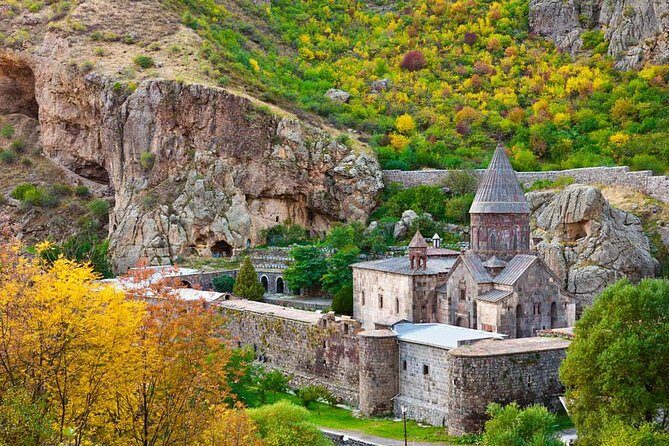
You’ll get about 1 hour at the Monastery of Geghard, and entrance is free on this tour. Geghard is known as a masterpiece of 13th-century Armenian architecture, and some of the churches are carved right into a huge rock.
The name itself hints at the place’s legend. The complex was called Ayrivank (cave monastery) early on, then later became known as Geghard—the lance—because the lance used to pierce Jesus’s side was reportedly kept here for centuries. The site also has an acoustic feel that’s made for singing spiritual songs, which explains why musical moments sometimes happen here.
You’ll also see plenty of khachkars (cross-stones) and refined stone details throughout the complex. And the whole site is on the UNESCO World Cultural Heritage list, so you’re not just seeing something old—you’re seeing a place with global cultural weight.
Practical tips for making the most of your hour:
- Take a few minutes right when you arrive to orient yourself. The rock-cut spaces can feel different once you’ve found the main viewpoints.
- Expect cool shade and shifting light inside carved areas, especially if you visit when clouds or late-day sun changes the scene.
- If you want photos, plan your best shots for when groups pause. It can get busy in peak hours.
Price and value: what $28 buys you (and why it feels fair)
At $28 per person for roughly 5–6 hours, this tour is priced like a value option, not a luxury experience. The biggest reason it works is that it includes things that add up fast:
- Entrance fees for key stops (Garni Temple and the Symphony of Stones)
- Snacks and beverages, including bottled water and pastries
- The lavash master class and tasting
- A professional guide running English + Russian consecutively
- WiFi in the vehicle, air-conditioned transport, and vehicle insurance
Also, the route is efficient. You’re not paying for a whole day of transit. It’s a compact set of highlights: Garni + basalt canyon + Geghard, all in one go.
The trade-off is the one drawback you should respect: no lunch stop. The tour does include bread, snacks, and drinks, but if you’re used to a full sit-down meal mid-day, you may want to eat before you go and grab extra snacks afterward if you’re still hungry.
Guide style: clear explanations without the hard sell
One thing that shows up in how people talk about this tour is guide quality. Names like Sam, Gayane, Tatev, Tamara, and Anna appear again and again as strong leaders—friendly, patient, and especially good at explaining what you’re seeing instead of just listing names.
This matters because each site has its own “language”:
- Garni Temple: pagan-to-Christian transition and Greco-Armenian architectural mix
- Symphony of Stones: basalt geometry and why it looks like an organ
- Geghard: rock-cut design, spiritual meaning, and khachkars
When the guide handles that context well, the sites feel connected instead of random photo stops. And on at least one memorable visit, there’s even mention of hearing a guide’s singing at Geghard, which fits the site’s spiritual, echo-friendly setting.
Language note: since the tour runs ENG + RUS consecutively, you may notice the guide shifting between languages. If you’re English-only, be ready for small pauses while the Russian group gets their turn. It’s not a deal-breaker, but it’s good to know.
Comfort, weather, and practical gotchas
This operates in all weather conditions, so dress like you’re going to be outside for short bursts and potentially in some wind or sun.
Transport includes:
- Air-conditioned vehicles
- Bottled water
- WiFi
There’s an occasional comfort snag worth mentioning. Some people reported the A/C wasn’t working on the ride back, so it’s smart to bring a layer you can adjust. Even in summer, mountain air and sun can swing fast once you’re near the canyon.
Other tiny-but-real tips:
- Bring small change if you want bathroom options during the day.
- If you get motion sickness, consider taking precautions before the canyon roads.
- Wear footwear that handles uneven ground near ruins and carved areas.
Winter option: Symphony of Stones may swap to sujukh-making
If you’re traveling in winter, road access can change. The tour includes either the Symphony of Stones visit or a sujukh-making master class when the road to the canyon is closed.
That means you still get a hands-on food or craft element even when you can’t reach the canyon area as planned. It’s a useful flexibility if weather affects routes.
Should you book the Garni–Geghard tour with Hyur Service?
I’d book this if you want a high-impact first outing from Yerevan: pagan ruins, basalt geometry, and UNESCO-listed rock churches, all wrapped up with Armenian food.
You’ll be especially happy if:
- You like a structured day with included entry fees and guided context
- You care about food culture and not just monuments (the lavash session is a real bonus)
- You’d rather do one efficient half day than piece together multiple stops yourself
Skip it or plan extra snacks if:
- You require a full lunch stop
- You hate any delay caused by English/Russian consecutive translation (it can slightly affect timing at pauses)
- You’re sensitive to bumpy roads without accommodations for motion sickness
If you want one practical Armenia sampler that doesn’t waste your time, this is a solid choice. It’s the kind of tour that helps your next day in Armenia make more sense, because the stone and the food start connecting in your head.
FAQ
How long is the Garni, Symphony of Stones, Geghard, and lavash tour?
It runs for approximately 5 to 6 hours, depending on conditions and timing.
What’s included in the price?
Entrance tickets, bottled water and pastries, snacks and beverages, a lavash baking master class and tasting, WiFi on the vehicle, and insurance are included.
Is lunch included?
No lunch stop is included. You’ll have snacks and beverages during the day, plus the lavash tasting.
Do I need to buy entrance tickets separately?
No. Admission for the Garni Temple and Symphony of Stones is included, while Geghard Monastery is free on this tour.
What language is the guide?
The tour offers explanations in English and Russian consecutively.
Does the itinerary change in winter?
Yes. If the road to the canyon is closed in winter, the Symphony of Stones visit may be replaced with a sujukh-making master class.