REVIEW · YEREVAN
Group tour: Khor Virap, Noravank, Areni Winery and Cave
Book on Viator →Operated by Hyur Service · Bookable on Viator
One monastery view can change your whole day. This Khor Virap–Noravank–Areni Winery–Bird Cave trip strings together Armenia’s early Christian story, star architecture, and archaeology, all in one long outing.
I love the value here: entrance fees, bottled water, pastries, snacks, and even wine tasting are already part of the package, so you can budget fast and stop worrying. I also really like how the day is guided in English and Russian (consecutively), so you get context at every stop, not just photos.
One thing to consider: it’s a group trip that can run up to 49 people, and seats aren’t assigned in advance. If you’re tall or picky about comfort, arrive early at the meeting point and be ready for a big-vehicle vibe.
In This Review
- Key highlights worth putting on your radar
- A full day tour with a strong arc: faith, art, wine, and archaeology
- Price and what you actually get for $37
- Getting going from Yerevan: meeting point, vehicle, and the “big bus” reality
- Stop 1 at Hyur Service: a quick start before the long day
- Khor Virap: Armenia’s Christian origin story and the Ararat view
- Noravank monastery: dramatic canyon setting and impressive 13th-century architecture
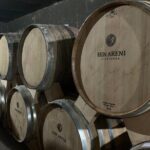
- Hin Areni Winery: ancient grape roots, modern processing, and a tasting included
- T’rchuneri (Bird) Cave: the world’s oldest leather shoe and more
- Snacks, timing, and comfort: how to set yourself up for success
- The guide experience: when storytelling turns stops into something memorable
- Who this tour is best for (and who should think twice)
- Should you book this Khor Virap–Noravank–Areni–Bird Cave day trip?
- FAQ
- FAQ
- What’s included in the tour price?
- Do I need to pay for lunch?
- How long is the day trip from Yerevan?
- Where do I meet the group?
- Is the T’rchuneri Bird Cave always included?
- Are seats assigned in advance?
Key highlights worth putting on your radar
- All major entrance fees included, so the real cost stays predictable.
- Winery stop in Hin Areni with a planned tasting and a look at both old and modern winemaking.
- Khor Virap’s Ararat views when the weather cooperates, plus the Christianity backstory tied to Saint Gregory the Illuminator.
- Noravank’s sculpted, two-level church architecture and dramatic rocky approach road.
- T’rchuneri Bird Cave archaeology, including famous finds like the world’s oldest leather shoe and the world’s oldest women’s skirt.
- Professional guide format (ENG + RUS consecutively) and small extras like WiFi in the vehicle.
A full day tour with a strong arc: faith, art, wine, and archaeology
This is the kind of day trip that works best when you want more than quick sightseeing. You start near Yerevan and spend about 9 to 10 hours moving through four very different settings: a famous pilgrimage site, a canyon monastery complex, a working winery, and an archaeological cave.
What makes the order feel smart is the “story” rhythm. Khor Virap gives you the big religious context. Noravank shifts you into Armenian stonework and monastery design in a visually intense setting. Then the day turns more sensory at Hin Areni Winery, where you learn how the region’s grape history connects with what’s happening now. Finally, T’rchuneri Bird Cave brings the timeline way back, with finds that don’t just decorate the walls—they rewrite your sense of how ancient daily life could be.
The timing matters too. You’re not stuck all day in one place. Each stop gets about an hour or so (40 minutes for the cave), which is good for first-timers who want highlights without losing the whole day to one museum-style visit.
Other Khor Virap tours we have reviewed in Yerevan
Price and what you actually get for $37
The price is $37 per person, and the biggest win is what’s included. You’re not paying separately for entrance fees at each site, and you also get bottled water & pastries, plus snacks and beverages along the way. Wine tasting is included, and the guide services are part of the package.
Then there’s the one cost that you’ll want to plan for: lunch is not included. You’ll typically pay around 3900–4900 AMD (about $10–13) depending on what’s offered that day and what you choose. If you’re the type who prefers controlling meal decisions, consider bringing a small extra snack just in case.
One more practical note: the tour offers a mobile ticket, and it runs in all weather conditions, so you’re dressing for the day you’ll get—not the one in your head.
Getting going from Yerevan: meeting point, vehicle, and the “big bus” reality
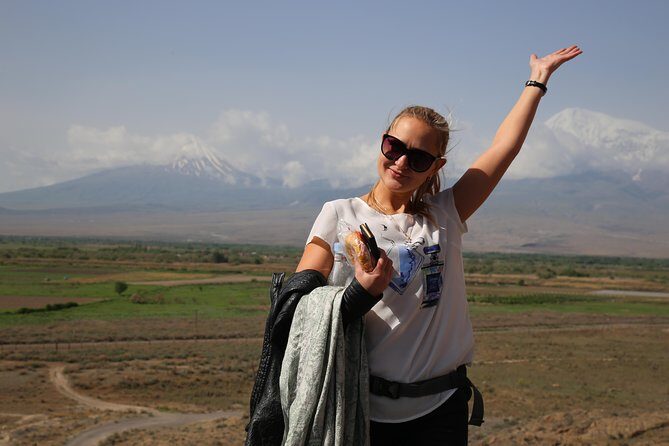
You meet at Hyur Service, 96 Nalbandyan poxoc, Yerevan around 10:00 am. There’s a short check-in style stop at the start of the day (about 15 minutes). The tour ends back at the same meeting point.
Vehicles are air-conditioned, and there’s WiFi onboard. That sounds like a small detail, but on a long day it helps pass the time without draining your phone battery.
About group size: the cap is 49 people. The good news is that big groups can be efficient on scheduling—every stop is on time, and you’re not waiting around forever. The catch is comfort. Seats aren’t assigned in advance, so where you land can make the difference between a relaxing ride and a long, stiff one (especially for tall legs).
If you care about seating, show up a little early. If you have mobility limits, this is still described as possible for most travelers, but the comfort factor is very seat-dependent.
Stop 1 at Hyur Service: a quick start before the long day
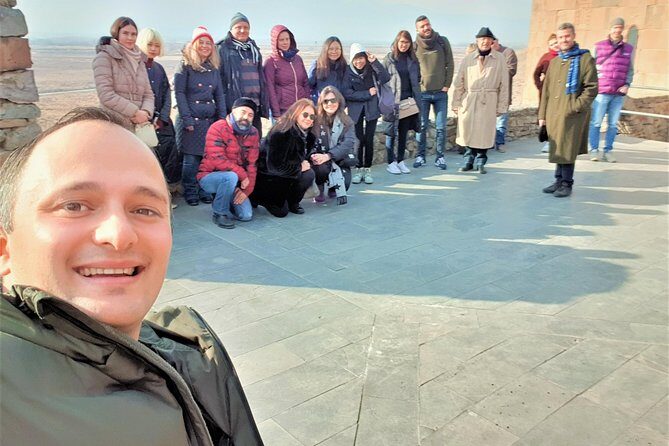
The itinerary includes a brief start at the Hyur Service location. Think of this as the moment to get sorted: check in, meet your guide, and get the day’s flow in your head.
This small segment matters because the rest of the itinerary is time-based. Once you leave Yerevan, the day runs like a chain: you’ll want to be ready for each departure and not lose time while you’re still deciding where to store your jacket.
Khor Virap: Armenia’s Christian origin story and the Ararat view
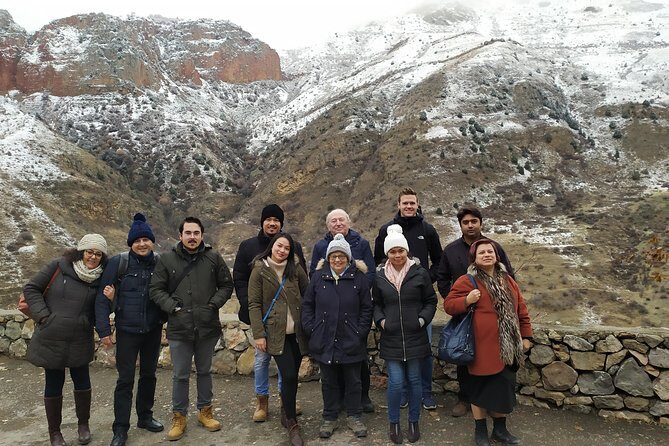
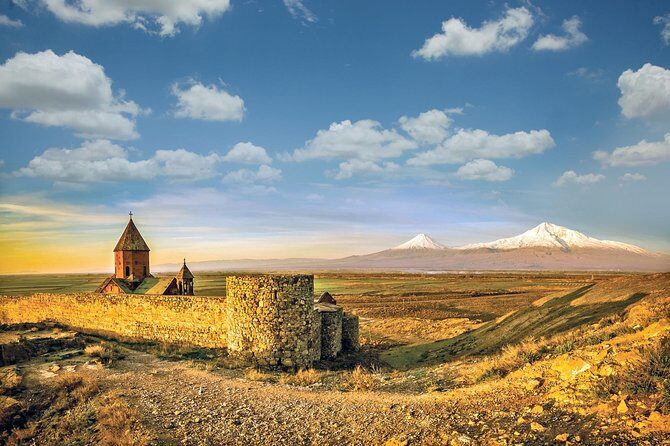
Khor Virap is Armenia’s best-known pilgrimage site. The connection is direct and specific: it ties to the adoption of Christianity in 301, linked with Saint Gregory the Illuminator.
Here’s the simple storyline you’ll hear on site: before King Trdat III converted to Christianity, Saint Gregory was imprisoned in the dungeon beneath what later became the monastery. The story continues that the 17th-century church was built over that dungeon. That “physical place equals historical memory” feeling is exactly why Khor Virap is such a magnet.
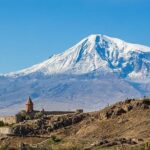
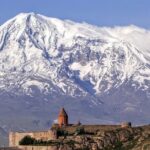
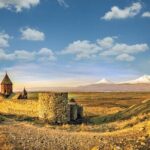
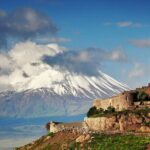
And then there’s the view. From the monastery you can admire Mount Ararat in the distance. Weather plays the lead role here. If the skies are clear, you’ll see why this region inspires so many artists and travelers. If the day is hazy, you’ll still come away with the sense of drama that the monastery location brings.
Why this stop is worth your time: it’s not only about a church. It’s about understanding how Armenia tells its own early Christian story in stone, with a place you can stand in that anchors the legend.
Other Noravank and Areni wine tours we have reviewed in Yerevan


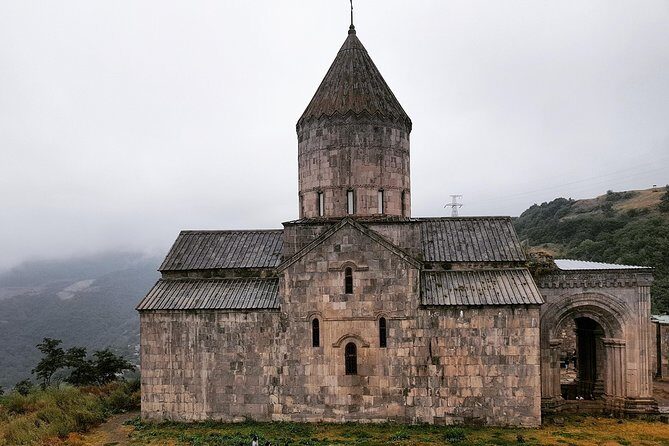
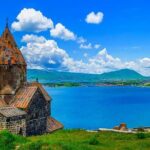
Noravank monastery: dramatic canyon setting and impressive 13th-century architecture
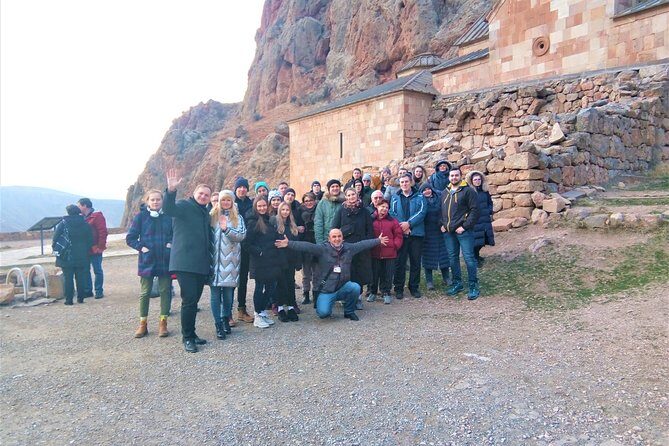
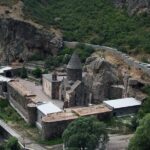
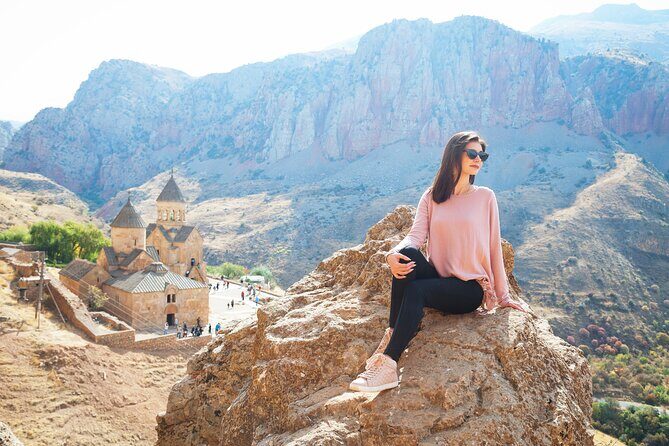
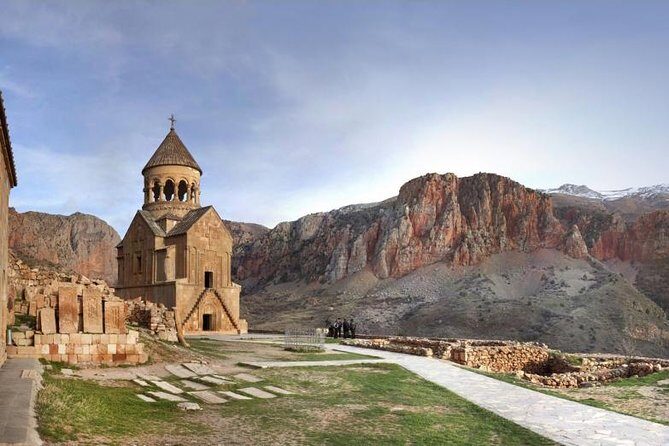
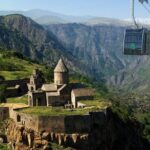
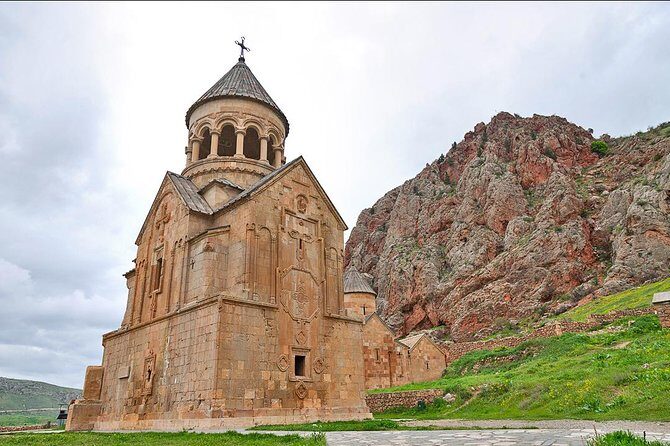
Next comes Noravank Monastery, and the approach sets the stage. You’ll pass along a narrow road surrounded by rugged rock formations and a scene of rock-cut caves—so the monastery doesn’t feel like a random building in the countryside. It feels like it belongs to the cliff.
Noravank is known as one of the brightest examples of Armenian architecture of the 13th century, and the complex centers on multiple churches:
- St. Karapet
- St. Gregory the Illuminator
- St. Astvatsatsin (Holy Mother of God), a two-storey church noted for its sculptural and constructive work
The best way to experience Noravank is to let it run through your senses in order. First you notice the canyon setting. Then your eyes start tracking details in the stone. Finally the churches start to feel like parts of one system—designed for visibility, movement, and worship within the same landscape.
Time-wise, you’ll get about an hour here. That’s not enough to read every inscription slowly, but it is enough to understand what you’re looking at and to appreciate why Noravank is considered a standout for Armenian monastery design.
Hin Areni Winery: ancient grape roots, modern processing, and a tasting included
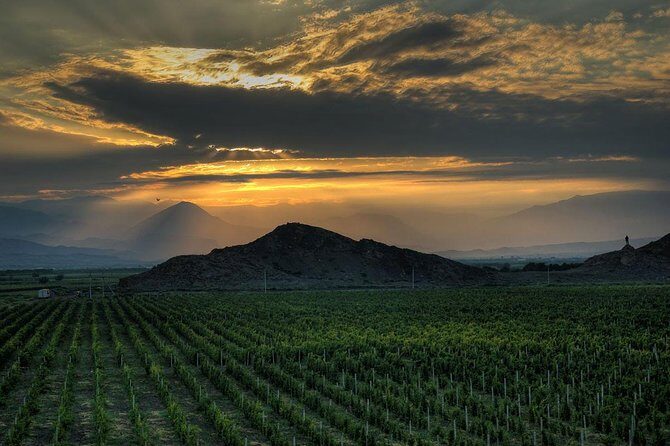
After the monasteries, you shift gears to wine at Hin Areni Winery. This is in the Vayots Dzor region, with Areni village tied to winemaking traditions said to stretch back for millennia.
What I like here is the balance between old and new. The winery presents the region as a birthplace of Armenian winemaking while also showing modern equipment. You’ll learn that Hin Areni processes over 250 tonnes of grapes, which helps you connect the romance of wine with the reality of production scale.
And yes, there’s wine tasting included. It’s not just sampling for fun; it’s a chance to match what you learned about local grape history to what’s in your glass.
A quick expectation-setter: you can enjoy the tasting without being a wine expert. The goal of this stop is to give you context for the region’s identity, not to quiz you on tannin structure.
Lunch isn’t included here, so you’ll either eat on your own time before or after the winery depending on the day’s flow. If you’re hungry, plan for the fact this is still a 9–10 hour itinerary.
T’rchuneri (Bird) Cave: the world’s oldest leather shoe and more
The last major stop is T’rchuneri (Bird) Cave, and this is the one that surprises people who expect only churches and views. The cave has yielded artifacts and plant remains dated to about 4200–3500 BC—things like metal knives, fruit seeds, grain residues, rope, dishes, clothing, and dried grapes and plums.
The standout finds include:
- The world’s oldest leather shoe, dated to over 5500 years old
- The world’s oldest women’s skirt, dated to 3900 BC
- Evidence described as the first winery in the whole world
That last part is the kind of claim you’ll want to take in with curiosity rather than skepticism. Either way, the bigger point is clear: this cave is an archaeology stop that helps you see food, clothing, tools, and wine as part of the same ancient routine.
You’ll have about 40 minutes here. That’s enough time to understand what was found, why it matters, and to walk away with at least a few “wait, really?” facts.
One important seasonal note: the cave visit is not included from Dec 26 to Jan 7. If you’re traveling around late December or early January, you may need to check what replacement activity happens on those dates.
Snacks, timing, and comfort: how to set yourself up for success
This tour includes bottled water & pastries, plus snacks and beverages. That’s useful on a long day, especially if you’re walking between sites in heat or cold. Still, it’s smart to bring a small personal backup: a layer, maybe a small extra snack, and anything you need for sun or wind.
Timing is also real here. You’ll spend roughly 1 hour at Khor Virap, 1 hour at Noravank, about 1 hour 30 minutes at the winery, and 40 minutes at the cave, with travel time filling the rest.
For comfort:
- Wear walking shoes. The monastery areas and cave areas are not about museum floors.
- Dress for the weather. The tour operates in all weather conditions, so you’ll want a rain option if storms are possible.
- Expect a longer ride back. The driver needs to handle the road safely, and your day ends back at the meeting point.
The guide experience: when storytelling turns stops into something memorable
A big part of why this tour gets such strong marks is the guide. You’ll get professional commentary in English and Russian consecutively, and the pacing tends to keep you moving without losing the plot.
Names that come up often include Arpi, Rose/Rosa, and Arti—and the consistent theme is active involvement: explaining what you see, interacting with the group, and connecting the sites to broader Armenian context. That matters because these are not random tourist stops. Khor Virap is a specific religious story tied to a specific figure. Noravank is architecture you can actually learn to read. The cave facts are heavy, but they become clearer when a guide frames why the finds matter.
If you care about hearing the “why” behind each stop, this format is a good match.
Who this tour is best for (and who should think twice)
This is an excellent intro day if you’re seeing Armenia for the first time and want a tight hit of highlights: Christian history at Khor Virap, architecture at Noravank, a working winery at Hin Areni, and archaeology at T’rchuneri Cave.
It’s also a decent choice if you’re traveling solo but don’t mind a bigger-group environment. The day is structured, the inclusions reduce decision fatigue, and the guide keeps the flow moving.
Where it may not be ideal:
- If you strongly prefer small groups, the maximum up to 49 and the bus format may feel crowded.
- If you’re sensitive to seat comfort, the lack of assigned seats can matter.
- If you want a lot of free time to linger at one site, the itinerary is built for coverage, not slow wandering.
Should you book this Khor Virap–Noravank–Areni–Bird Cave day trip?
I’d book it if your goal is a high-impact day that covers the big icons of southern Armenia with minimal planning stress. At $37 with entrance fees included, wine tasting included, and snacks plus water handled, it’s a solid value—especially for a first visit.
I’d think twice if you’re the type who needs a small vehicle and a lot of personal space. Comfort can vary because seats aren’t assigned, and the itinerary is time-structured. In that case, either arrive early to choose a better spot or consider a private option if that’s available in your travel style.
FAQ
FAQ
What’s included in the tour price?
Entrance fees are included, along with bottled water and pastries, snacks and beverages, WiFi in the vehicle, and wine tasting. The tour also includes the services of a professional guide in English and Russian consecutively.
Do I need to pay for lunch?
Lunch is not included. You should budget around 3900–4900 AMD (about 10–13 USD) for meals during the day.
How long is the day trip from Yerevan?
The duration is approximately 9 to 10 hours, starting at 10:00 am and ending back at the same meeting point.
Where do I meet the group?
You meet at Hyur Service, 96 Nalbandyan poxoc, Yerevan 0010, Armenia. The tour starts and ends back at this meeting point.
Is the T’rchuneri Bird Cave always included?
The cave visit is excluded from Dec 26 till Jan 7. If you’re traveling in that window, the cave stop won’t be part of the itinerary.
Are seats assigned in advance?
No. Seats are not known in advance, so where you sit depends on the group and boarding.