REVIEW · YEREVAN
Private Yerevan City Tour: Erebuni, Matenadaran & Tsitsernakaberd Museums
Book on Viator →Operated by Hyur Service · Bookable on Viator
Three museums, one guided story. In one tight private Yerevan loop, you get the start of the city story (Erebuni), the genius of Armenian manuscripts (Matenadaran), and the Armenian genocide memorial at Tsitsernakaberd—with pickup and a smooth schedule that fits first-timers.
I really like two things about this outing. First, the pacing is made for people who want meaning, not just photos: each stop has enough time to understand what you’re looking at. Second, the setup is practical: free pick-up and drop-off in Yerevan, bottled water, and an English-speaking guide option help you move through the day without stress.
One thing to think about: the museum entry cost can be confusing. The highlights say entrance fees are included, but the details also note museum entrances around 3000 AMD per person, and Erebuni plus Matenadaran list admission as not included—so it’s smart to confirm before you arrive.
In This Review
- Key Points Worth Knowing
- Why This Yerevan Museum Tour Works (Especially If It’s Your First Time)
- Price and What You May Pay at the Door
- Logistics That Keep the Day Smooth: Pickup, Mobile Tickets, and Private Pacing
- Stop 1: Yerevan Orientation Time—Republic Square Fountains and Cascade Views
- Stop 2: Erebuni Museum on Arin-Berd Hill (Urartu Starts Here)
- Stop 3: Tsitsernakaberd Genocide Memorial—The Eternal Flame Details
- Stop 4: Matenadaran Museum—Ancient Manuscripts, Miniature Art, and Armenian Translation
- Getting More From the Day: Smart Questions and Small Planning Moves
- Who This Tour Is Best For (And Who Might Want a Different Day)
- Should You Book This Private Yerevan City Tour?
- FAQ
- How long is the private city tour?
- Is this tour private?
- Are museum entrance fees included?
- Do you get pick-up and drop-off in Yerevan?
- Is the tour available in English?
- Does the tour run in bad weather?
- Is lunch included?
- Can I cancel for a full refund?
Key Points Worth Knowing
- Private group, up to 3 people means you can keep questions in the front seat.
- A guide option in English or Russian can turn each museum from facts into a clear storyline.
- Arin-Berd Hill links modern Yerevan to Urartu (782 BC) at Erebuni.
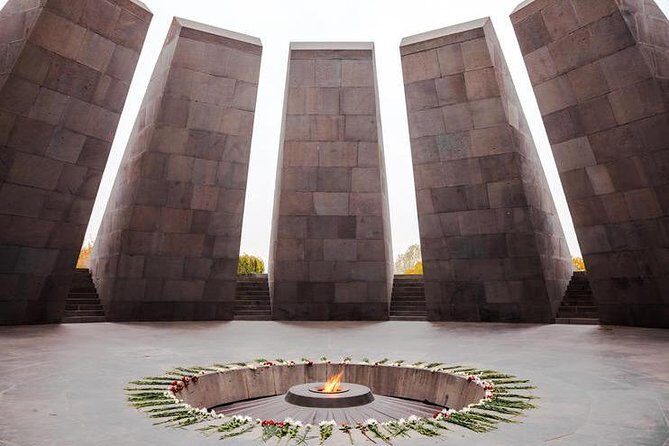
- Tsitsernakaberd is built around the eternal flame with 12 basalt slabs and a 44 m granite stele.
- Matenadaran treats manuscripts like art, including miniature paintings and famous ancient texts in Armenian translation.
- Extra stops are possible on request, handy if you want more city sights beyond the core museums.
Why This Yerevan Museum Tour Works (Especially If It’s Your First Time)
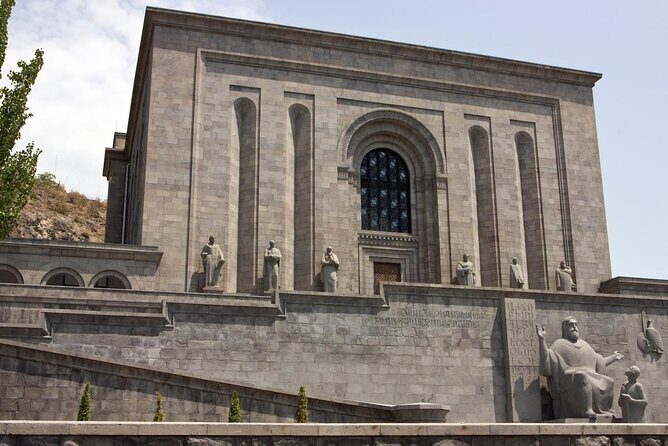
If you’re landing in Yerevan and wondering where to start, this tour gives you a sensible route. You’re not just ticking boxes—you’re moving through connected themes: the city’s ancient roots, Armenia’s written culture, and a memorial that shapes how the country remembers the past.
I like that it stays focused. Four stops. Clear time blocks. And even the “free” parts of the route help you orient yourself, so later you can explore on your own with more confidence.
You should also know what this tour is not. It’s not a full, do-everything Yerevan highlights sweep. It’s a museum day. If your top priority is the big city sights for hours on end, you might want to ask for added stops on the way.
Other Yerevan city tours we have reviewed in Yerevan

Price and What You May Pay at the Door
The listed price is $63 per group (up to 3 people), running about 4 to 5 hours. For a private format with pickup, a vehicle, and a guide option, that can be good value—especially if you’re sharing the cost with one or two people.
Now the only tricky part: entrance fees. The tour highlights say all entrance fees are included, but the included/not-included details note museum entrance fees at 3000 AMD per person. The stop details also show this split clearly:
- The Yerevan city portion and Tsitsernakaberd are listed as admission free.
- Erebuni Museum and Matenadaran are listed as not included.
So in practice, you’ll likely pay for at least Erebuni and Matenadaran. I’d confirm with the operator when you book, and keep a little extra cash/card handy just in case.
Logistics That Keep the Day Smooth: Pickup, Mobile Tickets, and Private Pacing
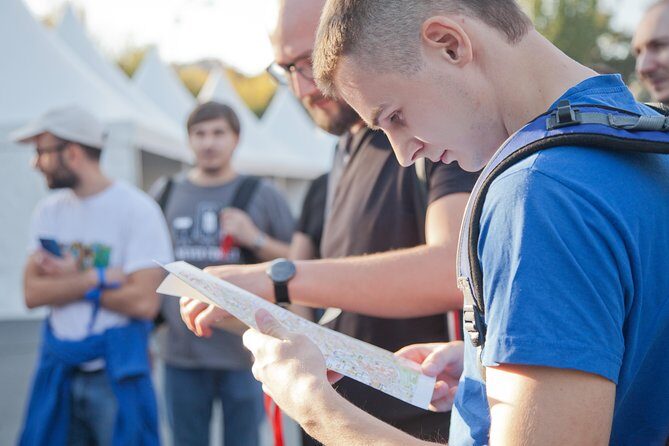
This is a private tour, so it’s only your group. That matters more than you’d think in Yerevan, where museum stops can be faster or slower depending on how much you want to read and ask.
You also get:
- Free pick-up and drop-off within Yerevan (share your pick-up address)
- Air-conditioned vehicle and an insured ride
- Bottled water
- Mobile ticket (good for not juggling paper)
- Operation in all weather conditions (dress for whatever the day brings)
One small practical note: the ride style can vary. In one account, the driver’s driving felt like a video game due to zig zags and quick acceleration. If you’re sensitive to motion or you prefer a calmer pace, tell the driver early. A quick heads-up often helps.
Stop 1: Yerevan Orientation Time—Republic Square Fountains and Cascade Views
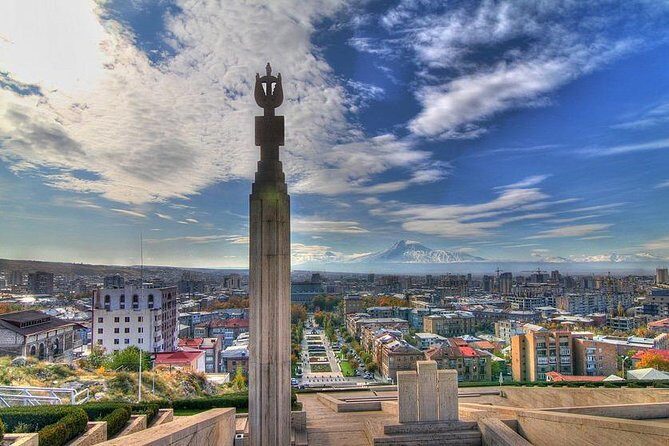
This first stop is the best kind of starter chapter: city orientation with enough time to set your bearings.
Your guide frames Yerevan as a very old place—dating to 782 BC when the fortress of Erebuni was built. Yerevan also earns the nickname The Pink City because many buildings use pink tuff stone. That detail is useful because once you spot the color, you’ll start noticing it everywhere.
Two sights come up again and again here, and this stop is where you can line them up with your timing:
- Republic Square and the musical fountains: from early May to mid-autumn, the fountains do a singing-and-dancing style show with music. If you’re visiting in that window, this can be a highlight on its own.
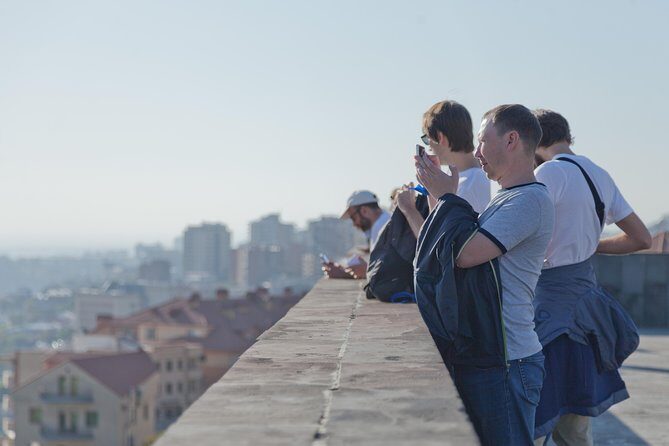
- Cascade Complex: you’ll get views from higher up, and it’s especially striking at night when the city lights up.
Even if you don’t plan to climb Cascade today, use this time to understand where it is and how it connects to the rest of central Yerevan. Later, when you’re walking on your own, you’ll feel like you already have the map in your head.
Stop 2: Erebuni Museum on Arin-Berd Hill (Urartu Starts Here)

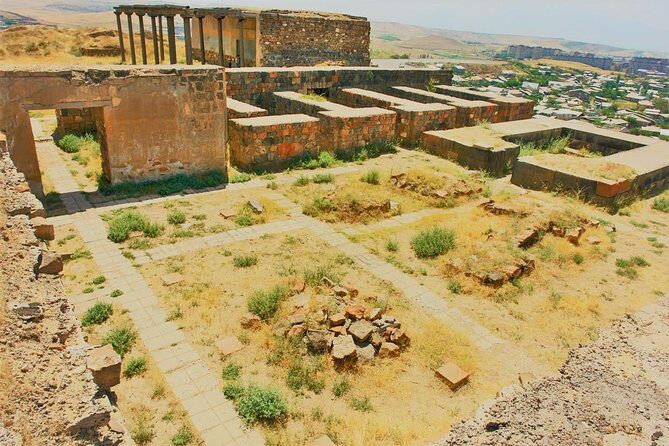
Erebuni is one of those places where the setting helps you understand the story. The fortress sits on Arin-Berd hill, built in 782 BC by Urartian King Argishti I. This is the moment your guide ties to the origin of modern Yerevan.
What makes Erebuni special isn’t just that it’s old. It’s the way it connects archaeology to a readable timeline:
- During excavations that began in the 20th century, a cuneiform inscription was found.
- That inscription links the fortress to the beginning of Yerevan’s recorded history.
On the hill, you’re shown the ruins of the citadel and wall frescoes, which highlight the artistic level from centuries ago. Down the hill, the museum displays findings excavated across the fortress territory.
How to get more out of your hour here: when you arrive, ask your guide what the inscription is telling and how historians use it. Even if you don’t read cuneiform yourself, your guide can translate the meaning into a clear story so you don’t feel like you’re just walking past walls.
A small drawback: because the visit centers on archaeology and artifacts, you need a bit of curiosity to enjoy it fully. If you prefer modern architecture or city life, Erebuni might feel more “studious” than “spectacular.”
Other city tours we've reviewed in Yerevan





Stop 3: Tsitsernakaberd Genocide Memorial—The Eternal Flame Details
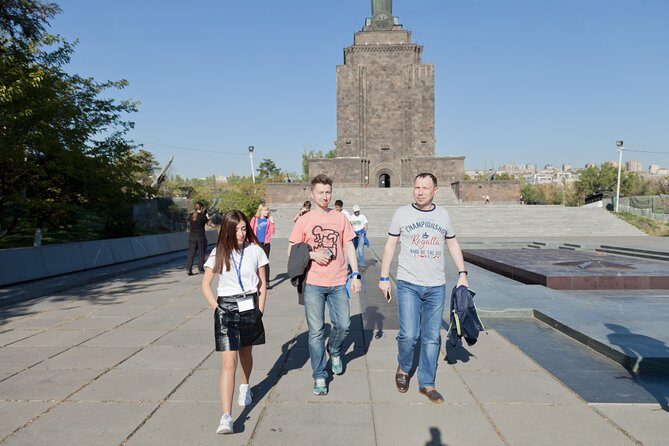
Tsitsernakaberd is heavy, but it’s also designed with care. This memorial complex rises above Tsitsernakaberd hill, and the central idea is simple and powerful: remembrance anchored in symbolism you can see right away.
At the center is the Memorial Sepulcher with an eternal flame. Above and around it, there are twelve tall basalt slabs leaning over the flame—an arrangement meant to create a sense of presence and protection.
One of the most striking elements is the 44 m high arrow-shaped granite stele. Your guide will connect its shape to ideas of spiritual rebirth and the bold spirit of Armenians.
This stop is listed at 1 hour and admission is free, which helps you budget the day. Emotionally, it’s not a quick scan-and-go place. If you need space to process, you can slow down. If you’d like context, this is where a strong guide makes a big difference.
If you do this tour on a day you’re also seeing other museums, plan a little breathing room after Tsitsernakaberd. The content is important and can hit harder once you step outside into regular city life.
Stop 4: Matenadaran Museum—Ancient Manuscripts, Miniature Art, and Armenian Translation
If Erebuni gives you the roots, Matenadaran gives you the brain. This is the Museum of Ancient Manuscripts and it’s widely known as one of the world’s most ancient library collections.
Here’s what you’ll see that makes it different from a typical museum:
- Collections of ancient Armenian books and miniature paintings
- Works of classical authors and rare manuscripts that survive through Armenian translation
- Additional monuments to outstanding Armenian cultural figures located in the courtyard
This is also the stop where you’ll likely want to lean into the guide’s explanations. One guide name you may hear is Ana, who has been described as extremely passionate and knowledgeable about the subject. If your guide is like Ana, expect the manuscripts to become more than old paper and faded ink—you’ll understand why specific texts mattered and how the art worked.
Tips that help here:
- Take your time looking at page details. Miniature painting is small, but the design choices are deliberate.
- Ask what makes Armenian translations historically important. Even a short answer can change how you see the whole collection.
If you’re a language-lover, art-history fan, or you just like the idea of reading cultures before modern printing, Matenadaran is the star of the tour.
Getting More From the Day: Smart Questions and Small Planning Moves
Because this tour is private and includes a guide option, you can steer it a bit. Use that.
Here are a few questions that usually work well with museum guides, and that match what this route covers:
- At Erebuni: What does the cuneiform inscription add to the story?
- At Tsitsernakaberd: How do the eternal flame, slabs, and stele fit together symbolically?
- At Matenadaran: Which manuscripts or miniature art styles are the most important to notice first?
Also think about timing. If you’re visiting during early May to mid-autumn, ask your guide to connect your city orientation time with the Republic Square fountains schedule. If you’re traveling in cooler months, focus more on Cascade and the central architecture cues.
Finally, if you feel the plan is too museum-heavy for what you want that day, remember there are extra stops on the route upon request. That flexibility can help you balance museums with Yerevan streets.
Who This Tour Is Best For (And Who Might Want a Different Day)
This is a strong fit if you:
- Are in Yerevan for the first time and want a structured intro
- Care about history, manuscripts, and memorials
- Prefer a small group with a guide who can explain what you’re looking at
- Want a practical route that doesn’t eat your whole day
You might consider a different tour if you:
- Mainly want shopping, nightlife, and long wandering
- Expect a pure sightseeing route with every major monument included
- Prefer museums without interpretation (you’ll still see a lot, but it’ll feel more like artifacts than a story)
Should You Book This Private Yerevan City Tour?
I’d book it if your ideal Yerevan day includes meaning, not just movement. The combination is unusual in a good way: Erebuni’s ancient beginnings, Matenadaran’s manuscript culture, and Tsitsernakaberd’s remembrance give you three angles on Armenia that you can’t easily piece together solo in a single afternoon.
The main reason to pause is the entrance fee mismatch in the info you’ll see when booking. It’s not a deal-breaker, but it’s worth confirming whether Erebuni and Matenadaran entrance is covered for your exact option, or whether you’ll pay the noted 3000 AMD per person on the day.
If you confirm that upfront and go in with a museum mindset, this private tour format is a smart value for a first visit.
FAQ
How long is the private city tour?
It runs about 4 to 5 hours total, with around 1 hour at each main stop.
Is this tour private?
Yes. It’s a private experience, and only your group participates. The price is listed per group for up to 3 people.
Are museum entrance fees included?
The information is mixed: the highlights say entrance fees are included, but the details also state museum entrance fees at around 3000 AMD per person. In the stop details, Yerevan and Tsitsernakaberd are listed as free, while Erebuni Museum and Matenadaran are listed as not included.
Do you get pick-up and drop-off in Yerevan?
Yes. Free pick-up and drop-off within Yerevan are included. You’ll be asked to mention your pick-up address.
Is the tour available in English?
Yes. English is listed as an available option, and there’s also a guide option with professional English or Russian speaking service.
Does the tour run in bad weather?
It operates in all weather conditions, so you should dress appropriately for the day.
Is lunch included?
No. Lunch is not included.
Can I cancel for a full refund?
Yes. You can cancel up to 24 hours in advance for a full refund. If you cancel less than 24 hours before the start time, the amount paid is not refunded.