REVIEW · YEREVAN
Vayots Dzor Areni Wine Route
Book on Viator →Operated by GoArmenia · Bookable on Viator
Wine begins in a cave. This private route pairs Armeni Cave’s breakthrough wine story with real tastings at two wineries, all backed by a guide who keeps the day moving at a comfortable pace. I especially like the double emphasis on history plus hands-on wine education, and the convenience of a private vehicle with pickup offered from Yerevan. The one drawback to consider is that, while the plan is solid, one past booking reported a tour no-show—so I’d confirm details again the day before and keep an eye on your message thread.
You’ll spend your day in the Vayots Dzor region, where Armenia’s winemaking legacy is written into the land. You’ll start with archaeology, then shift to vineyards and wineries, and you’ll finish with Noravank’s dramatic church on a gorge ledge—so it’s not just wine, it’s wine plus scenery plus context. It’s a great fit if you want a guided, not rushed, wine day that still gives you something to look at beyond tasting rooms.
One more practical note: the total time runs about 6 to 8 hours, so plan for a full day away from Yerevan. If you’re pairing this with other activities, keep your evening flexible.
In This Review
- Key things to know before you go
- Why Vayots Dzor feels like Armenia’s wine classroom
- First stop: T’rchuneri (Bird) Cave and the 6,000-year wine press
- Momik Wines tasting: learning by smelling and sipping
- Noravank Monastery perched above the Amaghu Gorge
- Old Bridge Winery: a second tasting with a different story
- Price, time, and what you actually get for $192
- Getting the most out of a 6 to 8 hour wine day
- FAQ
- FAQ
- How long is the Vayots Dzor Areni Wine Route?
- What time does the tour start?
- Is pickup offered from Yerevan?
- Is this tour private?
- What stops are included during the day?
- Are wine tastings included?
- Is admission included for the main attractions?
- What is the cancellation policy?
- Should you book the Vayots Dzor Areni Wine Route?
Key things to know before you go
- Areni Cave’s wine evidence connects the area to winemaking use from around 6,000 years ago, including a wine press setup and grape-related traces.
- Two separate winery experiences (Momik Wines and Old Bridge Winery) mean you can compare styles and learn more than one “version” of the region.
- Noravank Monastery is a visual payoff: 13th-century stonework on a narrow gorge ledge above the Amaghu River near Yeghegnadzor.
- Included admission where it matters: Areni Cave is ticket-included, Noravank is free, and winery time includes admissions.
- Private group comfort: only your group rides together, so the pace and stops feel more under your control.
Why Vayots Dzor feels like Armenia’s wine classroom
This tour works because it teaches by contrast. You don’t just hear facts in a van—you see the physical proof first, then you taste what those traditions have turned into.
In Armenia, wine isn’t an abstract hobby. It’s tied to place. The Vayots Dzor region has the kind of story where geology, farming, and culture all show up in the same day. You’ll travel from Yerevan in a private vehicle, and the timing is built for a smooth flow: cave and evidence in the morning, vineyards and tastings in the middle, and a landmark stop for scenery afterward.
The pace is also the point. With a day around 6 to 8 hours, you’re not sprinting between stops. That matters if you want to actually absorb what the guide explains—especially during winery time, where questions and conversation make the tasting more fun.
Other Noravank and Areni wine tours we have reviewed in Yerevan
First stop: T’rchuneri (Bird) Cave and the 6,000-year wine press
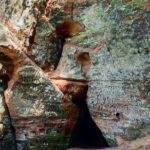
The day’s first wow moment is T’rchuneri (Bird) Cave, better known for its work as Areni Cave. For a long time, people treated these caves like simple shelters. Kids played there; adults didn’t think much beyond that.
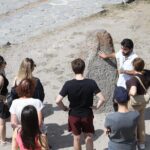
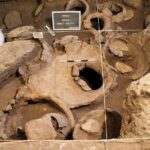
Everything shifted in 2007, when excavations began in Areni Cave. The finds weren’t minor. Excavators uncovered large cave complexes that point to serious past use—both religious and economic. And then there’s the detail that makes this stop feel like it belongs on a wine lover’s “this is why” list: a wine press.
In one room, archaeologists found what describes a press area with a hard draining surface that led into a jug. They also found traces linked to winemaking: seeds, stems, and a compound associated with red wine’s signature color. That combination is what helped scientists conclude that the area was used as a winery about 6,000 years ago.
Practical take: this stop is where you’ll understand the tour’s logic. Once you see how ancient winemaking practices can leave clues in the ground, winery visits start to make more sense. You’ll likely listen differently to tasting notes afterward.
Drawback to plan for: caves can feel cooler and require attentive footing, even when access is straightforward. Wear comfortable shoes and expect a bit of a change in temperature.
Momik Wines tasting: learning by smelling and sipping
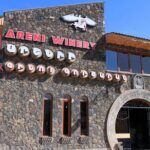
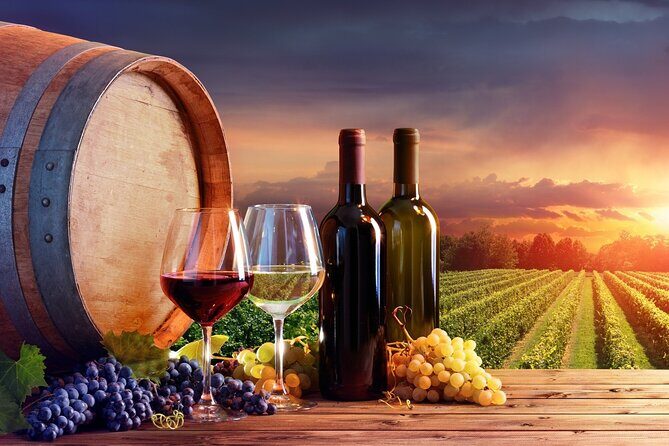
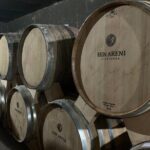
After the cave, the day shifts into the present at Momik Wines. Here, you get a tour and wine tasting, with about 1 hour set aside for the experience.
Why this stop is valuable is simple: you go from evidence to expression. The guide can connect the ancient “what they were doing” story to what modern producers are doing now—how cultivation and pressing translate into flavors you can actually taste.
A tasting is also where you get practical education. Even if you’re new to Armenian wine, you can use the hour to ask the questions that usually get ignored in group tours: What makes this varietal show up the way it does? How would you describe the style to a beginner? What food does it pair with?
The tour format matters. Because this is a private experience, you’re not stuck listening over other groups at the bar. You’ll have more room for a back-and-forth, and that usually makes a tasting hour feel more like a class than a sales pitch.
One more tip: pace yourself. Tastings can add up fast when you’re also touring a monastery later. If you know you’ll want to take pictures at the next stop, keep water handy and pace your sips.
Noravank Monastery perched above the Amaghu Gorge
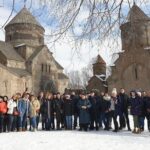
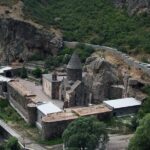
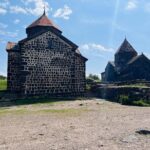
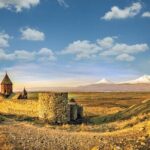
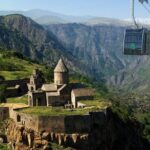
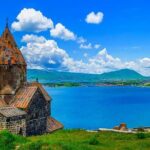
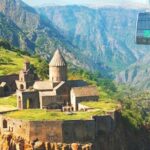
Then comes the scenery break: Noravank Monastery. The name means New Monastery in Armenian, but it’s not new in any normal sense—it’s over seven centuries old. The current monastery complex is associated with construction in the 13th century.
The main reason to plan this stop is the setting. Noravank is built on a ledge above a narrow, winding gorge with the Amaghu River below. The church lines are spare, and they contrast with the sharp red cliffs around you. If you like dramatic viewpoints that feel earned rather than staged, this is a strong moment in the day.
Noravank is sometimes called Amagu Noravank to distinguish it from another Noravank Monastery in the city of Goris. The “Amagu” part comes from a small settlement that used to stand over the gorge. That little naming detail helps the stop feel grounded in local geography, not just on a postcard.
Time-wise, expect about 45 minutes. That’s enough to get your bearings, take in the architecture, and step back to see the gorge from a couple angles—without feeling like you’re losing the day to one location.
Possible consideration: if you’re not fond of walking on uneven stone paths or you prefer slower sightseeing, you may want to take your time and ask the guide to point out the most comfortable viewing spots first.
Old Bridge Winery: a second tasting with a different story
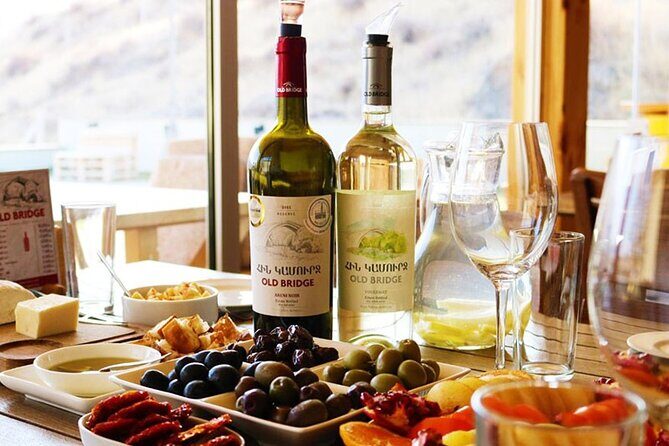
The last “wine-focused” stop is Old Bridge Winery, where you also get a tour and wine tasting, this time around 45 minutes.
This second winery visit is more than just another stop on the list. Two tastings help you avoid that all-too-common problem with wine tours: tasting one style and assuming that’s the whole region. Here, you can compare how another winery interprets the same general environment—how they handle grape character, aging choices, and overall style.
Even within a short 45 minutes, a good guide can steer your attention. You can focus on aroma differences, body, and finish, then connect those impressions back to what you learned at the cave. If you’re enjoying the educational angle, this is where it often “clicks,” because you’re linking ancient winemaking evidence to modern production decisions.
Picture this as your final learning-and-sip checkpoint. After this, the day’s done, so it’s also a good moment to ask any lingering questions you didn’t get to ask earlier. If you’re picking a favorite, try to do it by comparing how the wines feel in your glass, not just by taste alone.
Other Armenian wine and brandy tours we have reviewed in Yerevan
Price, time, and what you actually get for $192
At $192 per person, this tour isn’t the cheapest way to see Vayots Dzor—but it’s built like a value deal if you care about both education and comfort.
Here’s what your money is really buying:
- Private vehicle and pickup offered: you’re not fighting with shared logistics or losing time to waiting.
- Multiple paid or included stops: Areni Cave’s admission is included, wineries include admission, and Noravank is free.
- Guided context across very different settings—archaeology, wineries, and monastery architecture.
The duration (about 6 to 8 hours) is also part of the value. You’re getting a real day’s arc, not a half-day sampler. That helps if your goal is understanding rather than just collecting photos.
Worth considering: private wine days can add up if you compare only the headline price, but when admission and tastings are folded in, the per-hour value often looks better. The difference between a “see a place” trip and a “learn a place” trip is usually the guide and the time spent with you.
One practical caution: there’s at least one reported case of a tour no-show with this operator. That doesn’t automatically mean your trip will fail, but it does mean you should treat confirmation as part of good trip hygiene. Re-check your time and contact method, and keep your confirmation handy.
Getting the most out of a 6 to 8 hour wine day
This is the kind of day that benefits from a few smart habits:
- Start hydrated. Winery tastings plus walking around a monastery means you’ll feel it by mid-afternoon.
- Ask your guide one good question early. If you start with a thoughtful question at Areni Cave, you’ll often get better, more tailored explanations later.
- Taste with intention. During Momik Wines and Old Bridge Winery, pick one thing to focus on each time—aroma, acidity, or finish—so the second tasting isn’t repetitive.
- Plan your photos in chunks. Areni Cave will be its own photo set. Save time at Noravank for wide views, since the cliffs and gorge are the whole point.
Also, because it’s a private tour, group size matters. Private doesn’t automatically mean larger or smaller; it just means you won’t be sharing with other groups. If you’re traveling with friends who all want different wine styles, a private format makes it easier to keep the conversation going.
If you’re booking close to your travel dates, check that you have your mobile ticket ready on your phone. Confirmation is received at booking, so you’ll have something concrete to reference.
FAQ
FAQ
How long is the Vayots Dzor Areni Wine Route?
The tour lasts about 6 to 8 hours.
What time does the tour start?
The start time is 10:00 am.
Is pickup offered from Yerevan?
Yes, pickup is offered.
Is this tour private?
Yes. It is a private tour/activity, and only your group participates.
What stops are included during the day?
You’ll visit T’rchuneri (Bird) Cave (Areni Cave), Momik Wines, Noravank Monastery, and Old Bridge Winery.
Are wine tastings included?
Yes. Momik Wines includes a tour and wine tasting, and Old Bridge Winery includes a tour and wine tasting.
Is admission included for the main attractions?
Areni Cave admission is included, Momik Wines includes admission, Old Bridge Winery includes admission, and Noravank Monastery admission is free.
What is the cancellation policy?
Free cancellation is available up to 24 hours in advance for a full refund. If you cancel less than 24 hours before the experience start time, the amount paid is not refunded.
Should you book the Vayots Dzor Areni Wine Route?
If your ideal day in Armenia has three ingredients—wine education, tastings with guided context, and at least one memorable non-wine landmark—this is a good match. The combination of Areni Cave’s 6,000-year winemaking evidence plus two winery experiences makes it feel like a real story, not a checklist.
I’d book it if you want comfort (private vehicle with pickup), don’t want to wrestle with group logistics, and like learning while you taste. I’d think twice only if you’re extremely time-sensitive or you can’t tolerate the risk of a last-minute issue. In that case, do the simple things: confirm details the day before, have your contact info ready, and keep your plan flexible.
Bottom line: it’s a strong wine-and-place day in Vayots Dzor, with the kind of depth that works best when you treat tastings as part of the learning, not just a break.