REVIEW · YEREVAN
Urbex photo tour in Armenia
Book on Viator →Operated by central tour · Bookable on Viator
You don’t get Armenia like this every day. You’ll pair urbex-style photo stops with major monasteries and UNESCO landmarks, all from a comfortable base with meals handled. What I like most is the mix: big historical sights plus dedicated shooting time at abandoned places. I also like that it stays manageable with a small group (max 10) and a guide setup led by Nvard from Central Tour Armenia, with Hanzebeeld in the mix.
The one thing to consider is the urbex principle used here: the exact location of the abandoned sites isn’t spelled out in advance. That can feel different if you like to plan every shot down to the minute, but it also keeps the “find it and frame it” spirit alive.
In This Review
- Key highlights you’ll care about
- Urbex Armenia’s core idea: abandoned places plus real-world context
- Getting oriented in Yerevan: airport meet, hotel base, and a fast start
- Khor Virap’s Ararat views, then Noravank’s sculpted gorge setting
- The secret urbex day: Yeghegnadzor lunch, wine tasting, and an abandoned factory shoot
- Selim Pass caravan history and Sevanavank’s lake views
- UNESCO UNESCO: Haghpat and Sanahin, plus the Mikoyan Brothers Museum stop
- Vanadzor: Soviet pioneer camps and urbex-style photo time in the north
- Amberd Fortress and Tegher Monastery: high views, steep stone, and hilltop calm
- Garni’s pagan temple, Geghard’s cave churches, and the Symphony of Stones
- Price and logistics: what you’re really paying for
- Should you book this Armenia urbex photo tour?
- FAQ
- Where is the meeting point and what time does the tour start?
- How long is the tour?
- What is included in the price?
- Is dinner on the first evening included?
- Are the urbex locations revealed in advance?
- How many people are on the tour?
- What happens if I cancel or need to change my booking?
Key highlights you’ll care about
- Small-group flow (up to 10 travelers) so the day doesn’t feel like a cattle stampede
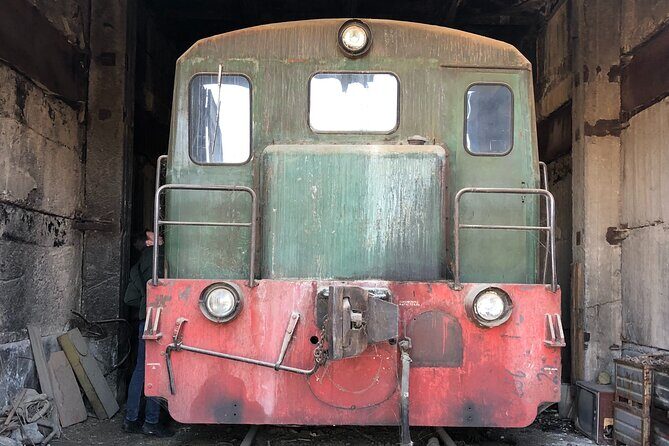
- Urbex time with secrecy built in, including abandoned structures and an abandoned factory stop
- UNESCO monasteries across multiple regions, from Haghpat to Sanahin to Geghard
- All-inclusive comfort: 3-star hotel and meals throughout most days
- Soviet-era texture in Vanadzor, including pioneer camp phototour time
- High-altitude options, like Amberd Fortress at about 2,300 meters
Urbex Armenia’s core idea: abandoned places plus real-world context
This trip is designed for people who want more than a quick drive-by of old ruins. The Armenia part is not just window dressing. You’ll shoot abandoned buildings and factories, but you’ll also spend real time at churches, monasteries, and historic caravan stops that explain why these places look the way they do today.
That pairing matters for your photos. When you know what Saint Gregory’s story is at Khor Virap, or why Garni’s pagan temple exists, the scene stops being just “cool decay.” It becomes a layer in a larger picture of Armenia changing over time.
And yes, it’s still very much a photo tour. You get dedicated windows to explore and photograph the abandoned sites, including an approach where the exact urbex location is not revealed beforehand.
Other photography tours we have reviewed in Yerevan


Getting oriented in Yerevan: airport meet, hotel base, and a fast start
Your day starts with a meeting at Zvartnots International Airport in Yerevan. The start time is 9:00 am, and you’ll transfer to your hotel right away. This is one of those “good trip design” details: it cuts out the usual day-one stress of finding the right bus, buying a SIM, and guessing where your driver is.
Your first evening includes an optional dinner at a restaurant, but that first-evening dinner is not included. After that, meals are built into the schedule.
The lodging is a 3-star hotel. That may not sound like a big deal until you realize what this type of week requires: early starts, lots of driving, and days where you’re moving between religious monuments and abandoned structures. A reliable base helps you focus on shooting and sightseeing instead of logistics.
Khor Virap’s Ararat views, then Noravank’s sculpted gorge setting
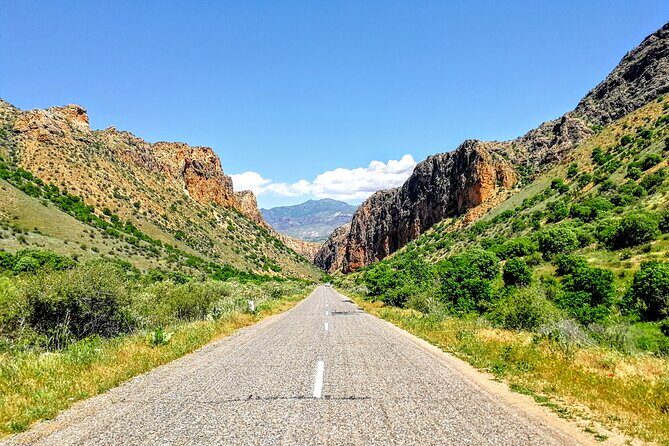
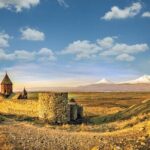
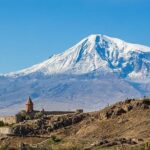
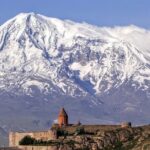
Day 2 is a strong opener for visual contrast. You start at Khor Virap, a pilgrimage site tied to the Armenian Apostolic Church’s history. It’s closely associated with the story of Saint Gregory the Illuminator, who was imprisoned for years, then later cured King Tiridates III. The place is also famous for its big view toward Mount Ararat, Armenia’s national symbol.
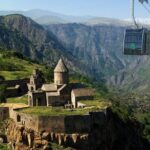
From there, you drive into Noravank Monastery. Noravank is known for its dramatic location in a narrow gorge of the Amaghu River, plus ornate 13th-century architecture with detailed carvings and decorative motifs. If you like photos with texture—stone patterns, carved surfaces, and the way light moves in narrow valleys—Noravank delivers.
The trade-off? These stops are short (about 45 minutes each). You’ll see a lot of Armenia in a limited time, but you’ll also feel the “onward” rhythm. If you want to linger for hours at one spot, this style may feel fast.
The secret urbex day: Yeghegnadzor lunch, wine tasting, and an abandoned factory shoot
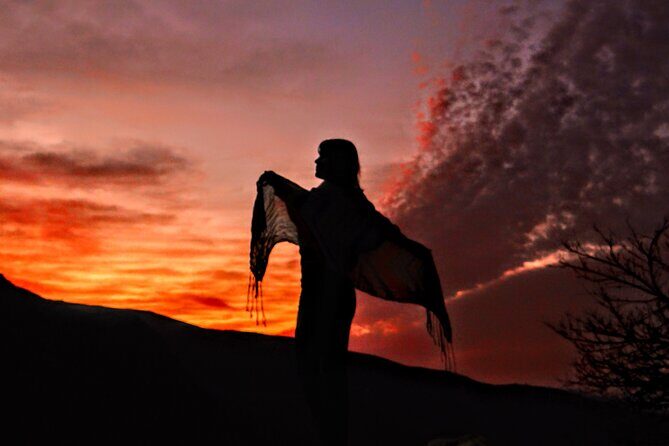
After Khor Virap and Noravank, the week shifts gears into pure urbex territory. You head toward Vayots Dzor, and the day’s photo focus centers on an abandoned building or structure—plus lunch in Yeghegnadzor.
Lunch is served in a gastro yard with wine tasting. That’s a smart inclusion for a photo trip. It breaks up the mental intensity of looking for compositions and gives you a chance to reset before another round of exploring and photographing.
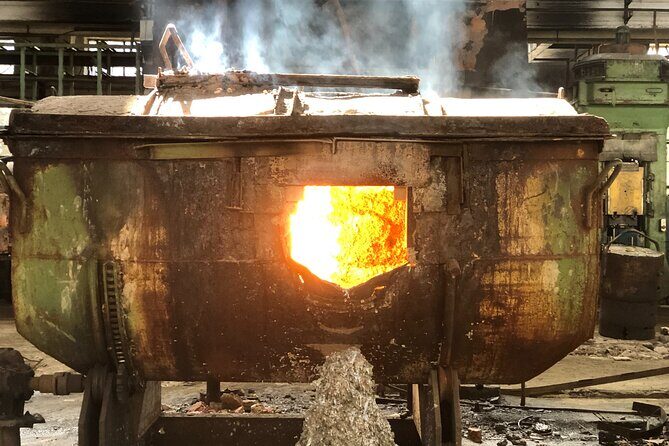
Then comes the urbex portion: you visit an abandoned factory for photography. A key point here is that the exact location of the urbex site is not specified ahead of time, because one of the principles of urbex is to keep locations secret to protect them.
For photographers, that has two practical implications:
- You need flexible gear and patience. You’ll adjust quickly to what you find.
- You’ll get a more “real” discovery experience, not just pre-known angles.
Selim Pass caravan history and Sevanavank’s lake views
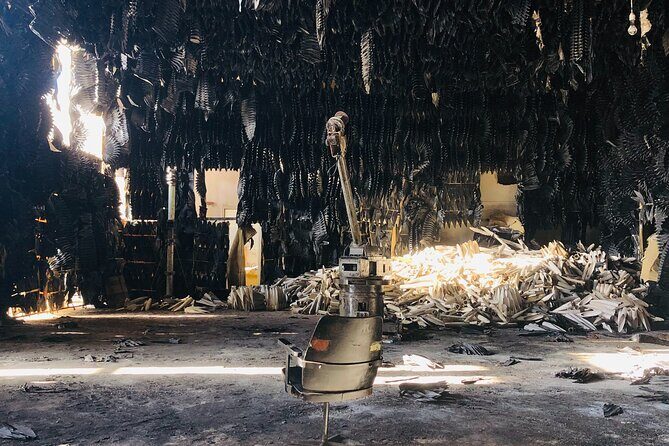
Day 3 brings you back into history with a Silk Road stop at Vardenyats Pass (Selim Pass). You’ll visit the Orbelian Caravanserai, built in the 14th century by Orbelian princes. Caravanserais were rest stops for traders and their animals traveling across long routes, and this one is built around a rectangular courtyard with small rooms for shelter. There’s also a chapel and a well—details that help you frame the site beyond just “old stones.”
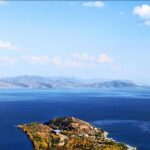
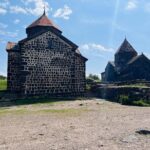
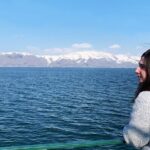
Next is Sevanavank, a medieval monastery complex on the northwestern shore of Lake Sevan. The monastery dates to the 9th century and includes two churches, a courtyard, and khachkars (Armenian cross-stones). What makes it photo-worthy is the setting: Lake Sevan is the largest high-altitude lake in Armenia, and the monastery looks out over a wide, open horizon.
After that, you head to another urbex photo location for about 45 minutes before continuing to Haghpat village and monastery. You’ll have overnight and dinner in the village.
The day’s pacing is another thing to note: you’re not just doing urban sightseeing. You’re stacking passes, lake views, monastery architecture, and a short urbex run in the same stretch. It’s a great “variety” approach, but it’s not the slow travel kind of week.
Other photography tours in Yerevan


UNESCO UNESCO: Haghpat and Sanahin, plus the Mikoyan Brothers Museum stop
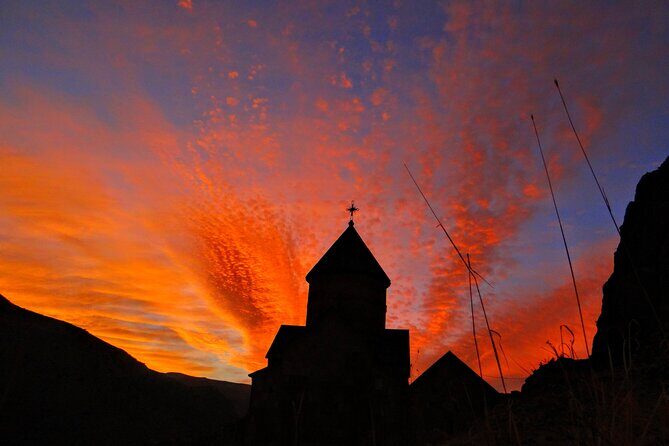
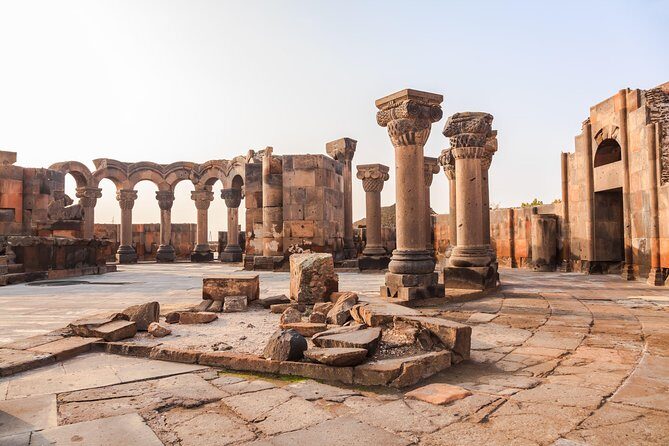
In northern Armenia, the trip doubles down on UNESCO areas. You’ll spend time at Haghpat Monastery first. It’s a medieval monastic complex built between the 10th and 13th centuries and is famous for distinctive architecture, including St. Nishan with intricate carvings and frescoes. There’s also a bell tower, library, and chapels. Haghpat has UNESCO World Heritage status (since 1996).
Then the week moves to Sanahin Monastery, another UNESCO site in Lori Province. Sanahin was founded in the 10th century and became an important learning and cultural center. Expect a complex of multiple churches and buildings constructed with local tuff stone, including Surb Astvatsatsin and Surb Amenaprkich churches, plus the gavit (a kind of meeting hall and vestibule).
At this point, you’ll start noticing how the Armenian monasteries share design DNA: the stone choices, the carving style, and the way structures work together as one visual story. It helps your photos because you stop photographing isolated monuments and start photographing patterns.
You also get a very different cultural stop at the Mikoyan Brothers Museum in the Sanahin area. It focuses on Anastas Mikoyan and Artem Mikoyan—Soviet figures born in the region—with exhibits tied to Soviet politics and aviation. If you like your history with a little political-and-technical flavor, this break from church architecture adds variety without feeling random.
Vanadzor: Soviet pioneer camps and urbex-style photo time in the north
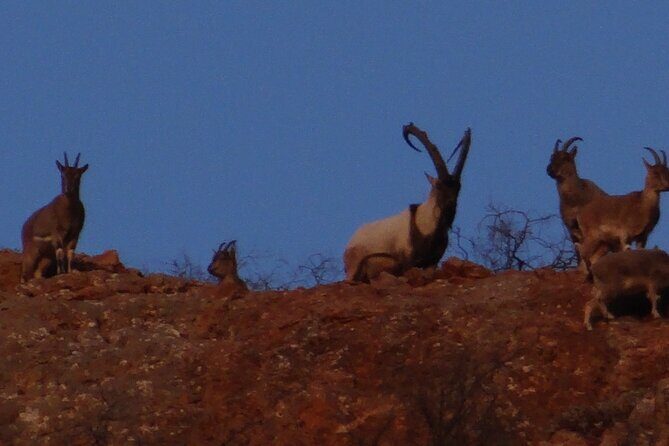
Day 5 centers on Vanadzor, the third-largest city in Armenia, in Lori Province. You’ll have a few hours in town, with time to see parks and museums/galleries in the area.
Then the focus turns to Soviet heritage and urbex-style photography again. You’ll spend about 2 hours on a phototour connected to Soviet pioneer camps—summer camps for children in the former Soviet Union. These camps were intended to promote socialist ideology and physical fitness, and they were often held in remote, picturesque places.
This is a good moment in the trip because the abandoned sites here are linked to living memory. Your photos aren’t only documenting decay; they’re documenting a specific kind of past when institutions shaped childhood.
One caution: abandoned places can be physically demanding to explore. The trip gives you time to photograph, but you’ll still want to wear shoes you can trust and bring clothing that works in changeable conditions.
Amberd Fortress and Tegher Monastery: high views, steep stone, and hilltop calm
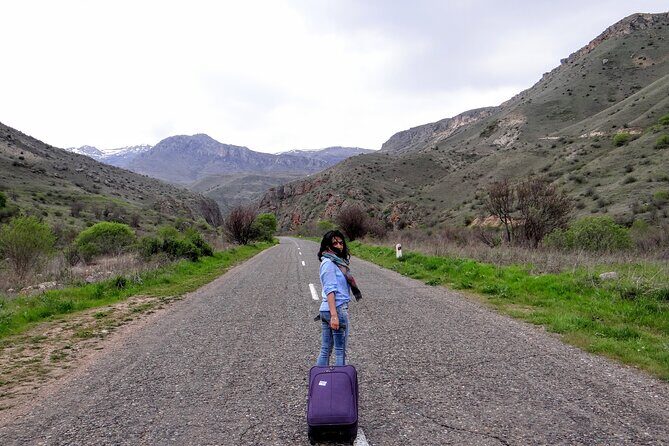
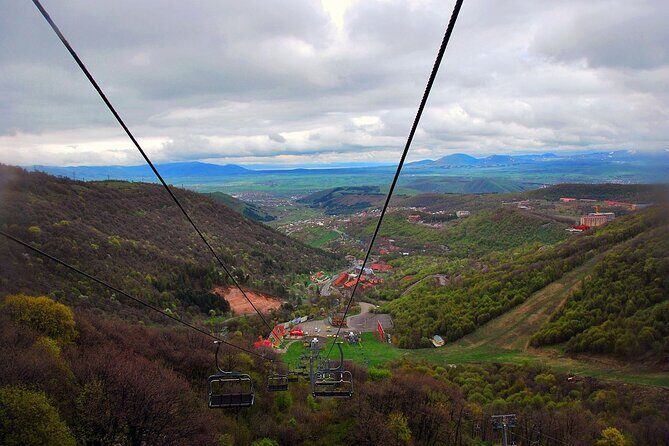
Day 6 is all about medieval Armenia from a strategic angle. First up is Amberd Fortress in Aragatsotn Province at about 2,300 meters above sea level. Amberd dates back to the 7th century (built by Vahan Mamikonian) and was expanded over time. It served as a stronghold during Arab invasions, and later during Seljuk and Mongol invasions. There’s also an 11th-century church within the fortress.
The altitude matters for your planning. Even without getting specific about weather, higher-elevation sites often mean colder air and stronger sun/wind than you’d expect at sea level. The view is part of the appeal here, and the fortress setting makes it feel like a place that was built for distance.
After Amberd you go to Tegher Monastery, also in Aragatsotn Province. It’s a hilltop monastery dating to the 13th century, with church and chapel structures plus khachkars. Tegher played a role as a center for education and culture in its heyday, and even today it stays an attraction for visitors.
The photography angle here is straightforward: you’re dealing with stone masses, perspective from elevation, and the way light hits carved details.
Garni’s pagan temple, Geghard’s cave churches, and the Symphony of Stones
Your final day is a big finale in two ways: pre-Christian Armenia and the cave-church era side by side.
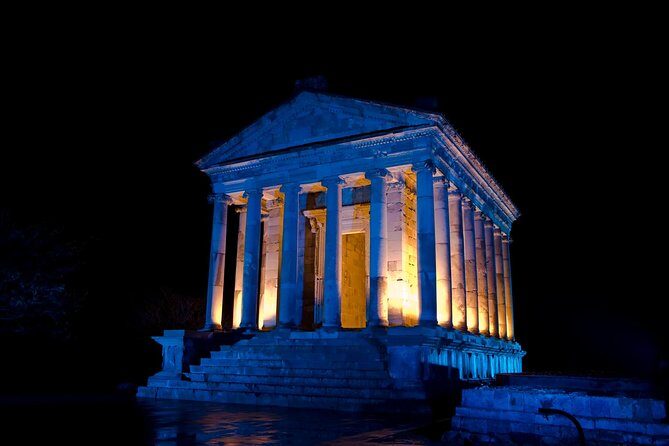
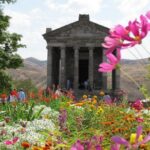
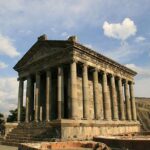
First is Garni, a pagan temple often described as a symbol of pre-Christian Armenia. It later became a royal summer house. Near it, you’ll visit the Garni gorge, including the Symphony of the Stones. This is a basalt column formation where a sound can be produced when struck, with the columns arranged to resemble pipes of an instrument.
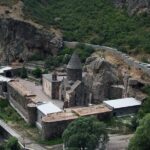
Then you head to Geghard Monastery Complex, UNESCO listed. Some churches are inside caves, others are cut directly into the surrounding rock face. Even if you’ve seen “cave churches” elsewhere, Geghard’s setting is distinct because it’s part of a whole complex carved around lived geology.
Finally, you return to Yerevan after the stops. The route closes the loop: you began with the capital’s modern entry point, and you end with ancient Armenia’s most dramatic stone architecture.
Price and logistics: what you’re really paying for
The price is $2,301.32 per person for about 7 days, with pickup offered, group discounts, and a mobile ticket. Here’s what that money buys in real terms:
- Accommodation (3-star hotel) for the days covered, plus an overnight in the village during the Haghpat portion.
- Meals included across the trip (breakfast, lunch, and dinner as listed). The only explicitly not included meal is dinner for the first evening.
- Air-conditioned vehicle for intercity drives.
- Entrance/admission coverage as listed across the day stops, with many entries showing included tickets.
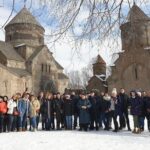
- A small max group size (10 travelers), which is rare for a week packed with both monuments and urbex sessions.
Is it expensive? By budget travel standards, yes. But for a specialized urbex photo week that also includes hotels, most meals, and transport, you’re paying for convenience and guided access to time in places you probably can’t coordinate alone as easily.
Also, this kind of trip benefits from a guide who can translate Armenian context quickly into something you can shoot. The supplied info highlights Nvard from Central Tour Armenia as a patient, sweet, English-speaking guide with lots of historical knowledge, sometimes with humor, and with Hanzebeeld in the organization mix. For you, that translates into less time guessing what you’re looking at and more time framing it.
One last value note: the trip also mentions potential inclusion of Armenia’s annual fish festival and a brandy factory visit as part of the overall experience. Those are exactly the kind of local details that turn a photo week into a cultural one, not just a photo scavenger hunt.
Should you book this Armenia urbex photo tour?
I’d book it if you want a photo trip with guardrails: small group size, hotel and meals included, and a schedule that mixes major monuments with real abandoned subjects. It’s also a strong choice if you’re a first-time visitor to Armenia and want the highlights without turning the trip into a self-planned spreadsheet.
I’d think twice if you hate uncertainty about where you’ll be shooting. Because the exact urbex locations aren’t revealed ahead of time, you’re committing to adaptability. If you like every photo plan locked down before you arrive, this style might feel a bit “let’s see what we find.”
FAQ
Where is the meeting point and what time does the tour start?
You meet at Zvartnots International Airport in Yerevan, Armenia. The start time is 9:00 am.
How long is the tour?
The tour is listed as 7 days approximately.
What is included in the price?
The price includes accommodation as per the itinerary, meals as per itinerary (breakfast, lunch, and dinner as listed), an air-conditioned vehicle, and dinner/lunch/breakfast for the days shown as included.
Is dinner on the first evening included?
No. The dinner for the first evening is listed as not included.
Are the urbex locations revealed in advance?
No. The exact location of the urbex site is not specified in advance, because urbex locations are kept secret to preserve them.
How many people are on the tour?
This experience has a maximum of 10 travelers.
What happens if I cancel or need to change my booking?
This experience is non-refundable and cannot be changed for any reason. If you cancel or ask for an amendment, the amount paid will not be refunded.