REVIEW · YEREVAN
Private tour to Gyumri old town and Marmashen monastery
Book on Viator →Operated by Hyur Service · Bookable on Viator
Gyumri feels like another Armenia. This private outing takes you from Yerevan to the north-west, then back in one long, well-paced day, with hotel pickup/drop-off and a guide who explains what you’re seeing in Gyumri’s old streets. I especially like the small-group feel (up to 3) because your guide can move at your speed and answer the odd questions that always pop up.
The possible drawback: it’s an 8–9 hour day, so even though the stops are strong, you’ll want to accept that Marmashen is a short visit and the rest of your time is about walking Gyumri.
In This Review
- Key Things to Know Before You Go
- Why Gyumri + Marmashen Makes Such a Smart North-West Day
- Price and What $161 Per Group Actually Buys You
- The Real Logistics Win: Pickup, Driver, and No Day-Plan Panic
- Gyumri Old Town: What to Notice on the 3-Hour Walking Portion
- Old houses, earthquake scars, and real craftsmanship
- The street rhythm you can feel
- Churches and layers of centuries
- A practical note: walking comfort
- The Gyumri Museum Add-On: When It’s Worth Paying Extra
- Marmashen Monastery: Red Tufa, Domed Halls, and River Views in 40 Minutes
- The main church: domed hall with lively facades
- A second church that echoes the first
- Why red tufa feels different in person
- Photo Stops and Extra Add-Ons: The Tour’s Quiet Superpower
- The People Factor: Guides and Drivers Who Actually Teach
- Winter and Weather: Plan for a Day That Needs Good Conditions
- Who This Tour Fits Best (and Who Might Prefer Something Else)
- Should You Book This Private Gyumri and Marmashen Tour?
- FAQ
- How long is the private tour to Gyumri and Marmashen?
- What’s the group size for this private experience?
- Does the tour include hotel pickup and drop-off in Yerevan?
- Is a guide included, and what languages are offered?
- Are entry tickets included for Gyumri and Marmashen?
- Is lunch included?
- Is the Gyumri Urban life museum entrance included?
- Is the tour suitable for most travelers?
- What if the weather is bad?
- Can I get a full refund if I cancel?
Key Things to Know Before You Go
- Private, small-group pace (up to 3) keeps the day flexible and personal.
- Hotel pickup and drop-off in Yerevan removes the biggest hassle for a long drive.
- Old Gyumri walking time (about 3 hours) gives you room to notice architecture and street life.
- Marmashen Monastery (about 40 minutes) focuses on the main complex and river setting.
- Main-site entry is free, but the Gyumri museum stop costs extra if you choose it.
- English or Russian guiding plus bottled water keeps the day comfortable.
Why Gyumri + Marmashen Makes Such a Smart North-West Day
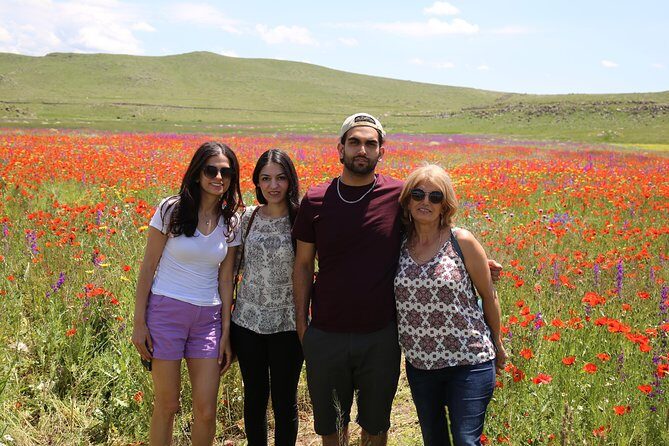
If you’ve only based your Armenia trip around Yerevan, this is a good antidote. Gyumri sits in the Shirak valley in the north-west, about 126 km from Yerevan, and the whole vibe is different—more layered, more local, and less postcard-perfect. You’re not just ticking off a monument. You’re getting a sense of how people built, lived, and rebuilt across time.
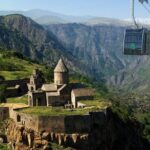
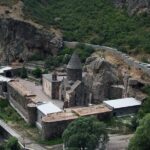
Then you get the contrast: Marmashen Monastery by the Akhuryan River, with its large complex dating to the late 10th and early 11th centuries. The buildings are made of well-hewn red tufa, and even if you only have a short window, you’ll feel the spot’s atmosphere. It’s the kind of stop where a good guide changes the experience from pretty to meaningful.
This tour also works well for real schedules. It’s long enough to matter, but it stays in one day, so you’re not giving up a whole night to travel logistics.
Other Gyumri tours we have reviewed in Yerevan

Price and What $161 Per Group Actually Buys You
The price is $161 per group for up to 3 people. On the surface, that sounds “single-day pricey” until you break down what you’re purchasing.
You’re paying for:
- Private transport with an air-conditioned vehicle and a professional driver
- Free pick-up and drop-off within Yerevan
- A guide service (English or Russian, depending on your option)
- Bottled water and passenger/vehicle insurance
Most of the entry fees for the two core stops are also handled via free admission for those sites, which helps control the total cost. The only obvious budget add-ons are lunch and the optional Gyumri Urban life museum entrance fee (listed separately at 1000 AMD, roughly $2.60).
Bottom line: this is value for a group of 2–3, especially if you want a guide and don’t want to figure out north-west transport on your own.
The Real Logistics Win: Pickup, Driver, and No Day-Plan Panic
The biggest quality-of-life feature here is the free hotel pick-up and drop-off inside Yerevan. That’s not just convenient—it’s how you avoid wasting part of your day on taxis, timing mismatches, or searching for the right route.
The day runs long (typically 8–9 hours), so having a driver who handles the long drive matters. The tour includes bottled water, and the vehicle is described as air-conditioned, which can be the difference between a tiring day and a manageable one in warmer months. In winter, it still helps, since you’ll likely be bundled up and spending more time traveling than walking.
Also, the tour is offered as a private experience, so you’re not stuck waiting on a big group schedule. You’ll move with your guide and your timing.
Gyumri Old Town: What to Notice on the 3-Hour Walking Portion
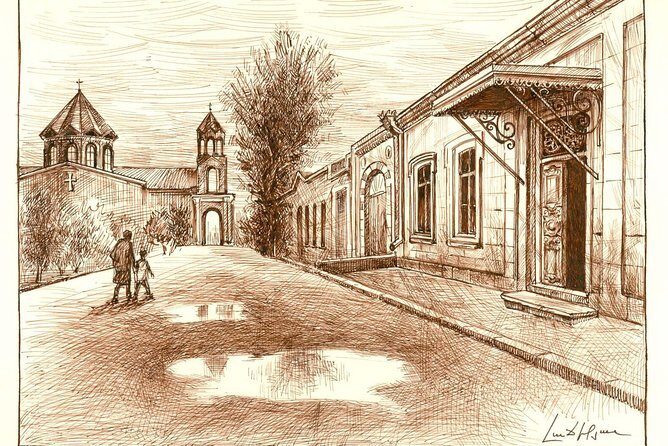
Gyumri is often described as Armenia’s most colorful city, and the reason shows up quickly when you start walking. You’re in the north-west, in the middle of the Shirak valley, and the streets feel tied to local traditions—so the architecture and the everyday details matter as much as the monuments.
Here’s what I’d focus on during the roughly 3-hour old town portion:
Old houses, earthquake scars, and real craftsmanship
A good part of Gyumri’s architectural character comes from old houses, and some were able to survive the devastating 1988 earthquake. That survival isn’t just history trivia—it helps explain why certain buildings feel intact and why the city still carries a visible sense of resilience.
Look for the way local builders mix colorful stone with bas-reliefs. Those carved details aren’t random decoration. They’re part of how Gyumri expresses pride in craft.
Other private tours in Yerevan




The street rhythm you can feel
Gyumri’s old streets have a “memory” effect. You can almost imagine older trades at work, and the city’s past feels close. The tour descriptions emphasize the sense that you might hear smiths’ hammers, and whether you take that as poetic or practical, it points to the same thing: the town’s texture is the story.
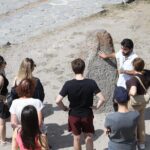
A guide is a huge advantage here. They can connect the buildings to events and explain why certain styles showed up in the first place.
Churches and layers of centuries
In Gyumri, it’s common to run into churches built across different eras while walking through the center. Even if you don’t plan to study them like a museum, this kind of stop adds meaning to the street walk. You get a map for what you’re looking at.
If you like photo stops, this is one of the best points in the day to ask your driver for quick chances to step out and frame views.
A practical note: walking comfort
You’ll be on your feet for a good chunk of time. That’s great for seeing the real city, but wear shoes you trust. If you have mobility limits, consider planning your pace with your guide early.
The Gyumri Museum Add-On: When It’s Worth Paying Extra
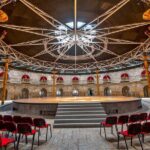
The tour includes plenty of time in old Gyumri, and there’s also mention of the Gyumri Urban life museum with an entrance fee of 1000 AMD (~$2.60). It’s not included, so it’s an optional cost.
If you enjoy culture-focused stops—especially the everyday story of how people lived in the region—this museum can be a useful add-on. If you prefer to spend the time outside and keep the pace lighter, you might skip it and use the extra time for streets, viewpoints, and the church areas your guide points out.
Marmashen Monastery: Red Tufa, Domed Halls, and River Views in 40 Minutes
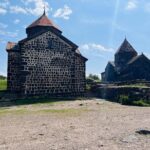
Then you go from city texture to landscape and architecture. Marmashen Monastery sits on the picturesque bank of the Akhuryan River, and it was built by Duke Vahram Pahlavuni. Construction began in 986 and was completed by 1029, so this is one of those places where you’re walking inside a long timeline.
Even with only about 40 minutes on site, there are specific things you’ll want to catch:
The main church: domed hall with lively facades
The main church is described as a domed hall, and the facades use triangular niches. Those geometric details matter because they break up the stone visually—so the building looks more dynamic even without big decoration schemes.
A second church that echoes the first
There’s also an adjacent church complex, with surviving eastern and northern walls. The description makes a neat point: it’s a smaller duplication of the main church. That’s a great clue for your visit. When you see the two parts side-by-side, you’ll start understanding how the builders used repetition to reinforce the design.
Why red tufa feels different in person
The complex is built with well-hewn red tufa, and the setting (blue sky and river atmosphere) is part of the effect. In short visits, this is where a guide helps you slow down just enough to notice the edges, the stonework, and the way the monastery sits in the wider scenery.
Practical tip: if you care about photos, ask your guide where to stand so you get the best combination of church structure and river background before the light shifts.
Photo Stops and Extra Add-Ons: The Tour’s Quiet Superpower
One of the smartest features is the option for extra stops on the route upon request. This means your day doesn’t have to feel rigid. If something catches your eye—another viewpoint, a quick photo spot, or a landmark along the route—you can ask.
In the real world, these detours are often what make a long day feel more personal. A driver and guide who communicate well can turn a basic transit day into a sequence of small highlights. If you’re traveling with people who enjoy a particular type of sight—cathedrals, fountains, viewpoints—tell your guide early and you’ll have the best chance to shape it.
The People Factor: Guides and Drivers Who Actually Teach
This is a tour where the guide can change the quality quickly. The included service is a professional English or Russian speaking guide, and the reviews you’ll find for this experience repeatedly praise guides for clear explanations, safe driving, and a gentle pace.
Guide names that have come up include Sona, Anna, Aref, Tamara, and Maria, along with drivers like Arthur, Hamiq, Arayik, Armen, and Maverick. Not every guide will be the same, but the theme is consistent: when you get a strong storyteller, you start seeing connections—why Gyumri’s architecture looks the way it does, why Marmashen looks “enigmatic,” and how Armenian history shows up in ordinary street corners.
If you want the day to feel tailored, come prepared with 2–3 interests:
- architecture and bas-reliefs
- Armenian church history and regional styles
- how the 1988 earthquake changed what you see today
Then ask your guide to steer the walk around those themes.
Winter and Weather: Plan for a Day That Needs Good Conditions
This experience explicitly says it requires good weather. That matters because you’re combining open-air walking in Gyumri with an exterior monastery stop by the river. If conditions are poor, the tour may be canceled and rebooked.
In winter, you’ll likely deal with snow and cold, and the pace may feel different because people naturally take shorter steps and wait longer between stops. If you’re choosing travel dates, I’d aim for a period with stable weather when you can comfortably walk.
And if you’re going in a season where daylight is limited, be realistic: you’re driving far and spending time walking. A “perfect” plan depends on the day’s conditions more than it depends on your checklist.
Who This Tour Fits Best (and Who Might Prefer Something Else)
This is best for you if:
- you want a guided day trip from Yerevan to Armenia’s north-west
- you like walking and noticing architecture details, not just quick stops
- you’re traveling as a small group (up to 3) and want private pacing
- you want a mix of city culture (Gyumri) and older monastery architecture (Marmashen)
You might want to consider a different format if:
- you hate long drive days (it’s 8–9 hours total)
- you need lots of time inside religious sites beyond a short visit
- you’re expecting a flexible “anywhere we want” itinerary—this is structured, even though extra route stops can be requested
Should You Book This Private Gyumri and Marmashen Tour?
I think you should book it if you want a day that’s both practical and meaningful. The value is strongest when you’re splitting the group cost, and the combination of Gyumri old town walking plus Marmashen’s 10th–11th century monastery complex hits a great balance of everyday life and deep historical roots.
Book it with one expectation held steady: this is a full day, and Marmashen is short. If you’re okay with “see it well in one pass,” you’ll come away with a sharper picture of north-west Armenia than you’d get by staying in Yerevan alone.
FAQ
How long is the private tour to Gyumri and Marmashen?
The duration is about 8 to 9 hours.
What’s the group size for this private experience?
It’s private for your party, with a maximum group size of up to 3 people.
Does the tour include hotel pickup and drop-off in Yerevan?
Yes. Free pick-up and drop-off within Yerevan is included.
Is a guide included, and what languages are offered?
A professional English or Russian speaking guide service is included if you choose the option with a guide.
Are entry tickets included for Gyumri and Marmashen?
Yes. Admission tickets are free for the Gyumri stop and for Marmashen monastery based on the tour info provided.
Is lunch included?
No. Lunch is not included (listed around 6500–7000 AMD / $17–$18).
Is the Gyumri Urban life museum entrance included?
No. The Gyumri Urban life museum fee is 1000 AMD (~$2.60) and is not included.
Is the tour suitable for most travelers?
The tour notes that most travelers can participate.
What if the weather is bad?
The experience requires good weather. If it’s canceled due to poor weather, you’ll be offered a different date or a full refund.
Can I get a full refund if I cancel?
Yes. You can cancel up to 24 hours in advance for a full refund. If you cancel less than 24 hours before the start time, the amount paid is not refunded.