REVIEW · YEREVAN
PRIVATE TOUR: Saghmosavank , Alphabet monument, Amberd fortress
Book on Viator →Operated by Jan Armenia Tours · Bookable on Viator
Four monasteries and a fortress in one day. This private Mount Aragats run from Yerevan strings together Saghmosavank, Hovhannavank, Amberd, and the Armenian Alphabet Monument with real altitude views and stonework you can actually study up close. I love the variety in one drive—church history, gorge settings, fortress walls, and a modern monument to the alphabet. I also like that the timing is tight and practical, so you spend the day efficiently without feeling like you’re sprinting from stop to stop. One drawback to plan for: Amberd sits above 2,000 meters on a single serpentine road, and in winter snow can make access impossible.
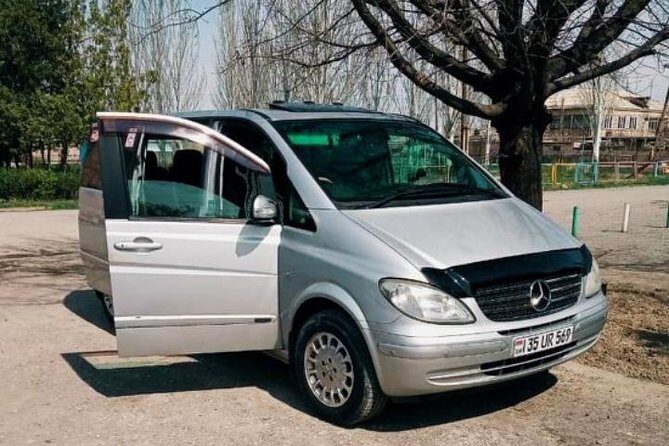
You’ll move in a comfortable air-conditioned vehicle with bottled water and WiFi, plus live commentary during the ride. And because it’s up to 3 people per group, it feels like a personal outing rather than a cattle-car day trip.
I also appreciate the human touch that comes up in feedback about Jan Armenia Tours—people have singled out help like Lilit’s follow-up (even things like sim card activation) that can make your first day in Armenia feel less stressful. For this experience, the important part is that you get transport plus guidance, and you can focus on what’s outside your window.
In This Review
- Key highlights you’ll feel right away
- How this mountain day works from Yerevan
- Saghmosavank on the Kasakh River: a monastery with a founder story
- Hovhannavank: small time, strong gorge atmosphere
- Amberd Fortress: basalt walls, high altitude, and a road with consequences
- Armenian Alphabet Monument: modern symbolism on Mount Aragats
- Price and value: what $103 covers and what you still need
- Comfort, timing, and what to wear in the Aragats zone
- Who should book this private tour
- Should you book this Mount Aragats tour?
Key highlights you’ll feel right away
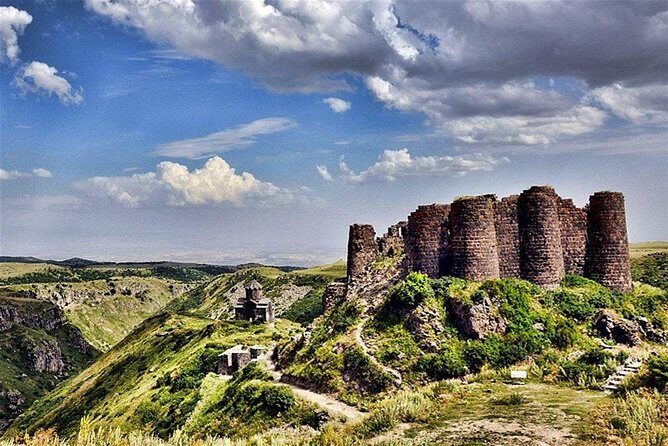
- Amberd’s cliffside fortress setting with basalt walls and real scale for photos
- Monasteries tucked in the Kasakh River area with short, focused visits
- All about the alphabet on Mount Aragats at a monument built for the 1600th anniversary
- A smooth, comfortable drive with WiFi, water, and live commentary
- Private group up to 3 people for easier questions and pacing
How this mountain day works from Yerevan
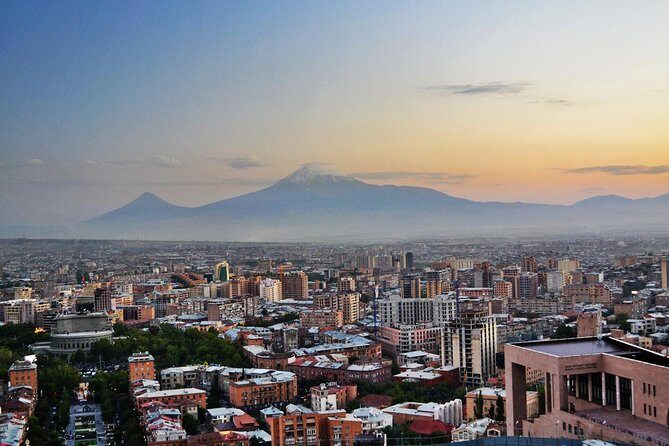
This is a straightforward half-day format: you leave Yerevan, hit four key sites, and come back with enough time to keep the rest of your Armenia trip un-rushed. The tour runs about 6 hours (approx.), and the route concentrates on the Mount Aragats area, where the air feels sharper and the views get bigger.
You’ll have hotel pickup/drop-off and a professional driver, so you’re not wrestling with directions or parking. A mobile ticket is part of the deal, and bottled water plus WiFi helps on a longer ride where you might want to check maps or just scroll between stops.
The visit times are practical: about 30 minutes at each of the first two monasteries, 1 hour for Amberd, and 30 minutes for the Armenian Alphabet Monument. That pacing won’t replace a full-day deep dive into one site, but it’s excellent if you want a “great hits” day with fewer logistics headaches.
Other Mount Aragats and Amberd tours we have reviewed in Yerevan
Saghmosavank on the Kasakh River: a monastery with a founder story
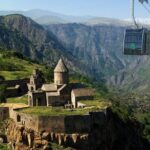
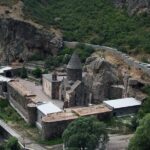
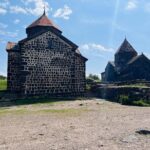
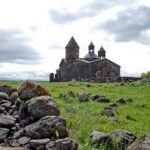
Saghmosavank sits in the village of Saghmosavan on the right bank of the Kasakh River. The setting matters here: you’re not in a city street scene—you’re in a quieter river-edge landscape that helps you read the monastery as something built for focus, not crowds.
Tradition connects the complex to Grigor Lusavorich (Grigory the Illuminator). That matters because the monastery isn’t just stone you pass through—it carries a story of the Christianization era that people in Armenia still reference when talking about identity and faith.
Admission is free for Saghmosavank on this tour, which is a nice value add if you’re watching costs. With only about 30 minutes here, I’d treat it like a “look + orient + photograph” stop: quick sweep of the complex, a couple of minutes to notice how the buildings sit in the terrain, and then move on.
Practical tip: this is usually the kind of stop where wind can pick up. Bring a light layer even if Yerevan feels warm.
Hovhannavank: small time, strong gorge atmosphere
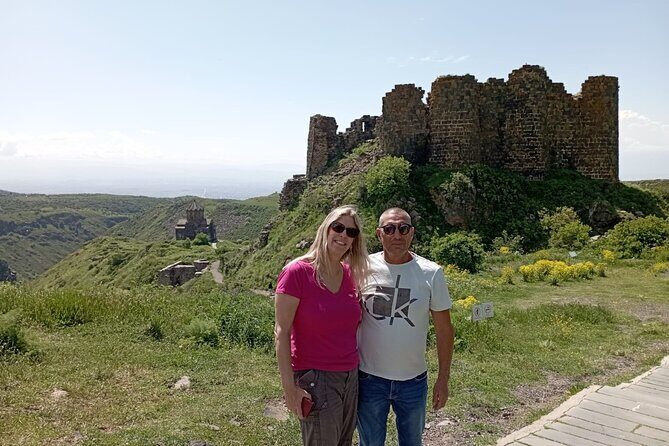
Your second church stop is Hovhannavank in the village of Hovhanavan, right near the edge of the Kasakh River gorge. That word gorge isn’t just scenery—it changes how light hits the stone and how the area feels when you step out of the vehicle.
Hovhannavank is linked to St. Hovhannes Mkrtich, known as John the Baptist. In practice, you’ll see why this dedication is taken seriously: the monastery’s identity is tied to a figure that’s important across Armenian Christian tradition.
Again, admission is free on this stop, and you get about 30 minutes. With that time, you’re not expected to read every inscription like a scholar. Instead, you get enough minutes to take in the setting and understand the place as a cliff-edge religious complex rather than a quick checkpoint.
If you’re sensitive to heights or uneven ground, just pace yourself at the edges near the gorge. The views are part of the point, but comfort comes first.
Amberd Fortress: basalt walls, high altitude, and a road with consequences
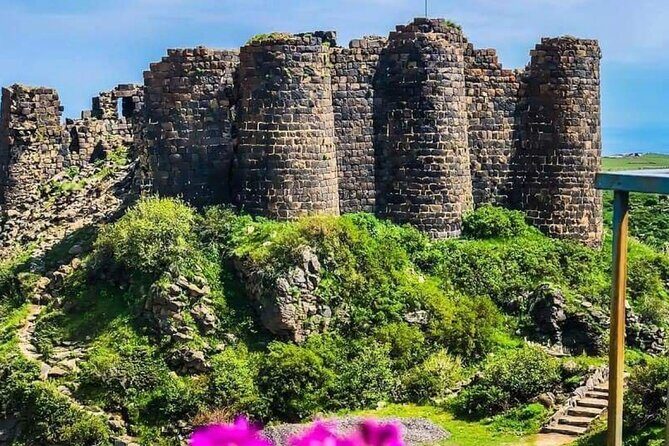
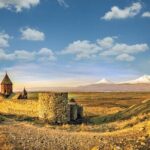
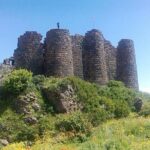
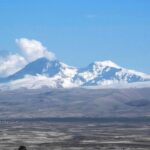
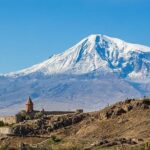
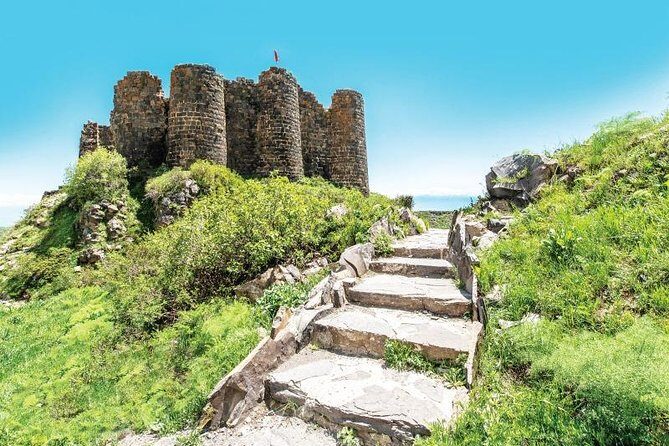
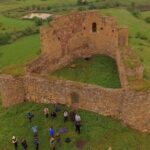
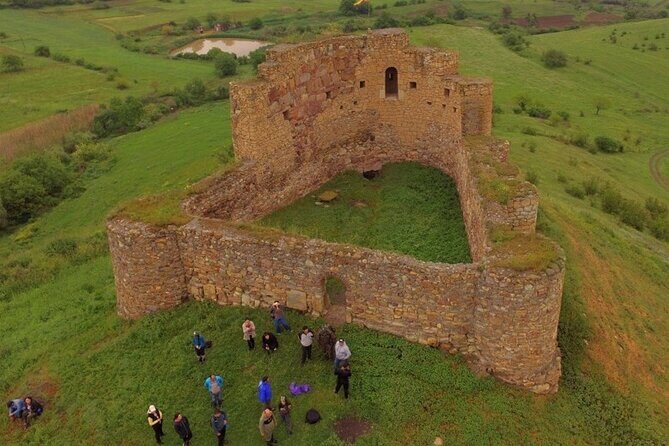
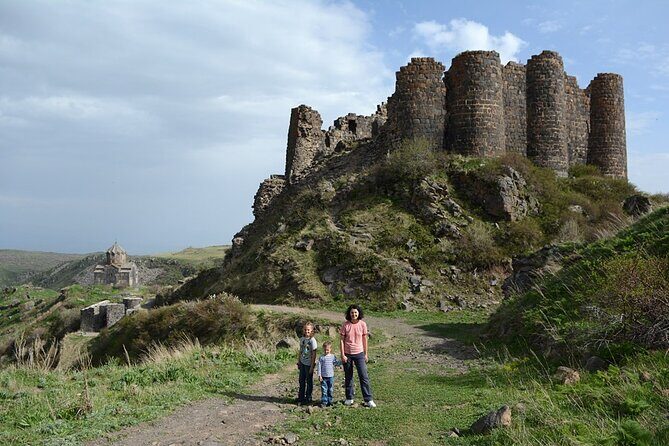
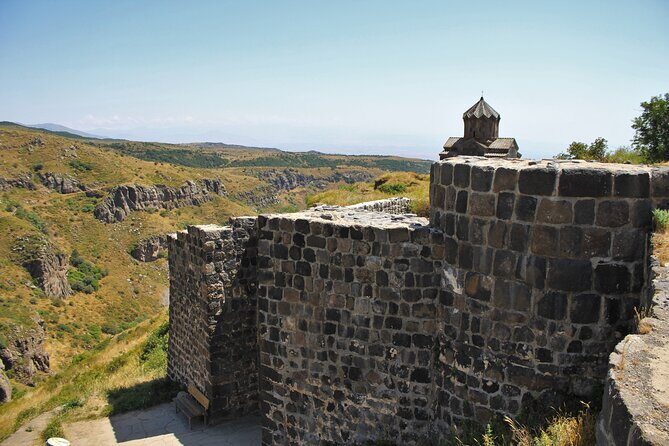
Amberd Fortress is the big physical payoff of the day. It sits on the southern slopes of Mount Aragats, away from the hectic cities, on a rocky cliff at about 2,100 meters. The location is defended by deep gorges at the junction of the rivers Amberd and Arkashen—so you’re visiting a site that was built for protection, not convenience.
A few technical details from the site info make it feel more real: it’s described as having an altitude of 3,402 m, and some measurements note a surface area of 0.12 sq.m and a depth of 9 m. Even if you don’t interpret those numbers perfectly on the spot, they hint at a fortress that’s more “strategic and engineered” than “grand and landscaped.”
Architecturally, the fortress is simple. Walls are made of massive basalt tiles, and in parts of the interior only foundations and a few walls are preserved. That’s actually good news for you: when structures are lost, the remaining lines of defense are easier to study—so you can still understand how the place worked.
History adds another layer. Amberd’s story goes back to the 7th century, and despite strong natural protection, it was invaded by the Seljuks coming from Central Asia at the end of the 11th century. Standing in that spot, it’s easier to imagine how geography and conflict overlap.
The access point is crucial for planning. There is only one serpentine road leading to Amberd, passing through mountains, and it’s noted that it’s impossible to get there in winter when snow covers everything. If you’re traveling in cold months, this is the kind of detail that can decide whether your fortress day actually happens.
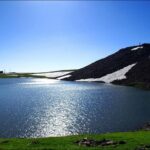
Finally, the site info also mentions a meteorological station on the eastern coast of the lake area. Even if you’re not visiting the station itself, it signals how high and exposed the site can be—so treat the weather like it matters.
Time here is 1 hour, and that’s about right. You’ll have enough time to walk the main preserved areas, get photos without rushing, and still return to the car before you start feeling chilled at altitude.
Armenian Alphabet Monument: modern symbolism on Mount Aragats
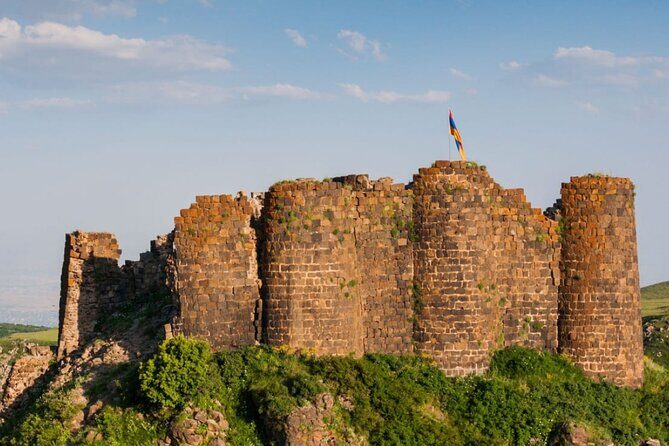
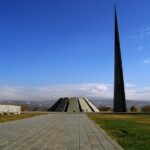
After the fortress, the Armenian Alphabet Monument gives you a different kind of connection to Armenian identity. It’s located on the western slope of Mount Aragats and was built in 2005.
The monument is dedicated to the creation of the Armenian alphabet’s 1600th anniversary. That’s a clean, direct reason for the site to exist, and it changes the tone of the day—from medieval stone defenses to a modern statement about language, culture, and memory.
You get about 30 minutes here, and admission is free on this tour. Because the time is short, don’t try to do “everything.” Instead, do the one helpful thing: take a moment to read the monument as a view platform. The point isn’t just the object—it’s the sense of Armenia’s story stretching from early centuries to the present.
If you’re a photo person, this stop can be excellent. If you’re not, it still works because it gives you a calm pause after Amberd.
Other private tours in Yerevan

Price and value: what $103 covers and what you still need
The price is $103.00 per group (up to 3), and that’s a big part of the value. If you have three people, the cost per person drops sharply compared with tours that price per head—so this can be a smart choice for small groups, families, and friends traveling together.
What you get includes:
- Professional driver
- Hotel pickup/drop-off
- Live commentary on board
- Comfortable vehicle (air-conditioned)
- Bottled water and WiFi
- Taxes
What you don’t get includes lunch, and importantly: ticket for Amberd fortress. The first two monastery stops and the Alphabet Monument are listed as free, so most of your paid sightseeing cost should center on Amberd.
So the honest budgeting idea is simple: plan on paying for Amberd’s ticket plus whatever you choose to eat. If you’re already counting every dollar, you’ll appreciate that three of four stops don’t charge you for entry.
Also, because it’s a private tour, you’re not stuck with someone else’s pace. That matters with a site like Amberd where the road and weather can affect how you move and how long you comfortably spend outside.
Comfort, timing, and what to wear in the Aragats zone
This day is built for movement, but not marathon walking. Even so, you’ll be outside at multiple stops, and Amberd especially can feel cold and exposed depending on season.
Because you’re going to high altitude areas (the info cites 2,100 m and 3,402 m), dress like you’ll feel temperature swings. Layers beat one heavy coat. Bring something wind-proof for Amberd, and wear shoes with decent grip on uneven stone.
Timing is also part of the value. With 30 minutes at Saghmosavank and Hovhannavank, you get enough time to see what matters without burning your whole day. And with 1 hour at Amberd, you can actually take your time where it counts.
If you’re someone who likes to ask questions, this setup helps. There’s live commentary during the ride, plus the option for a professional guide. In past feedback connected to Jan Armenia Tours, people have mentioned clear, friendly explaining from guides such as Gohar, and professional drivers like Tigran (and others) who keep things smooth. You shouldn’t count on the exact same person, but the general quality signal is strong: you’re likely to get more than just dates.
One more practical note: Amberd access can be weather-dependent because the road is limited and snow can stop travel. If you’re building your Armenia schedule around one big fortress stop, keep a flexible day or at least a backup mindset if weather doesn’t cooperate.
Who should book this private tour
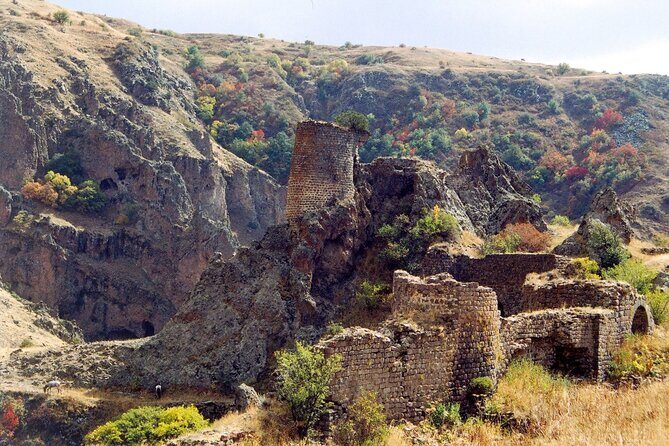
This works best if you want a big variety of Armenian culture in one outing: medieval monastic sites, gorge-edge atmosphere, fortress history, and a modern monument all tied to Mount Aragats.
You’ll likely enjoy it if:
- You have limited time in Armenia and want efficient sightseeing
- You like history you can see in stone (basalt walls, preserved foundations, simple architecture)
- You want small-group comfort with pickup/drop-off
It may not be ideal if you want a slow, unhurried day where you sit in one place and go deep for hours. That’s not what this format is designed for. It’s a practical “see a lot without chaos” plan.
Should you book this Mount Aragats tour?
If you want a well-paced day from Yerevan that mixes monasteries, a dramatic fortress, and the Armenian alphabet in one route, this is an easy yes. The private group size, the included comfort (A/C vehicle, WiFi, water), and the fact that most entries here are free make it a strong value.
Just be smart about season and expectations: Amberd is the star, but the one-road access means winter can change the plan. If your dates fit the weather window, you’ll get a memorable mix of high-mountain setting and history that’s hard to replicate on your own.