REVIEW · YEREVAN
Armenia – Tbilisi 3 days, 2 nights from Yerevan
Book on Viator →Operated by Land of Noah Travel Agency · Bookable on Viator
Lake views and ancient stonework in one tight plan. This private 3-day route from Yerevan strings together Lake Sevan monasteries and UNESCO-caliber stops, then finishes with a proper Tbilisi introduction, all with transportation handled.
What I like most is the variety that actually fits into 3 days: you go from black-tuff monastery architecture to scholar monasteries and then into a living Georgian capital. The second big win is the service feel, where punctual pickup and a careful driver make the long driving days feel manageable.
One consideration: hotel accommodation isn’t included, so you’ll need to book your overnight stays in Tbilisi and Alaverdi yourself. Also, it’s a monastery-heavy schedule, so you’ll want to be okay with steady walking and stairs.
In This Review
- Key points you’ll care about
- Day 1: Lake Sevan to Dilijan monasteries, then your Tbilisi night
- Day 2: UNESCO Mtskheta and a Tbilisi city tour that helps you get your bearings
- Day 3: Haghpat and Sanahin UNESCO monasteries plus the Stepanavan trees
- Price and value: what $827 per group gets you (and what it doesn’t)
- Transport, pacing, and what to pack for monastery and city days
- The service angle: pickup, communication, and driver quality
- Who this tour fits best (and who should choose something else)
- Should you book this Armenia to Tbilisi private 3-day route?
- FAQ
- Is this a private tour?
- Where does the tour start?
- What’s included in the price?
- What isn’t included?
- Are entrance fees included for the stops?
- Do I need a passport for this trip?
- Can I cancel for a full refund?
Key points you’ll care about
- Private group (up to 3) with an air-conditioned vehicle, plus hotel pickup and drop-off
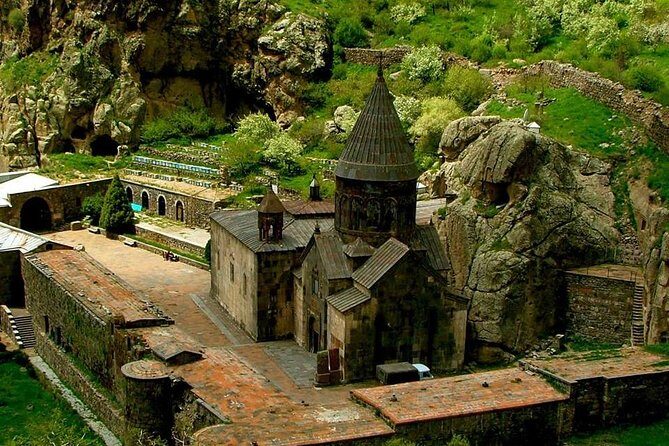
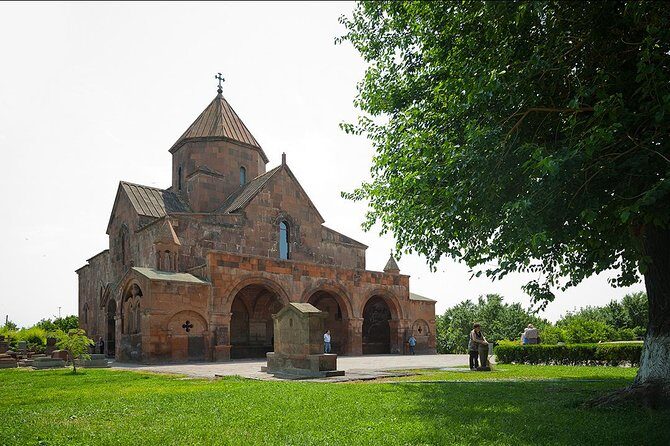
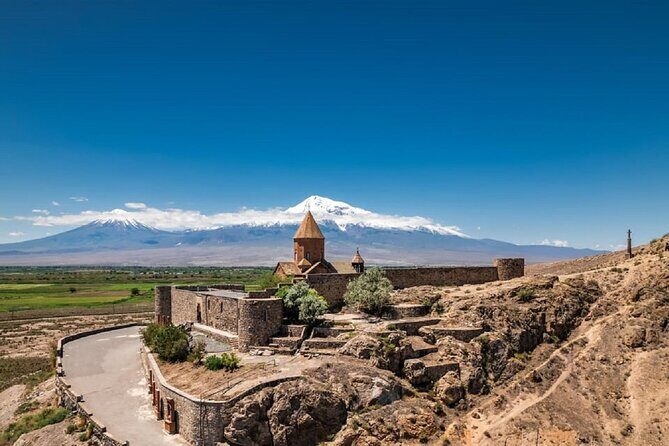
- Lake Sevan and medieval monasteries like Sevanavank, Haghartsin, Goshavank, Haghpat, and Sanahin
- UNESCO stops: Mtskheta (Svetitskhoveli Cathedral and Jvari) and the Haghpat/Sanahin monastery sites
- City time in Tbilisi with a guided orientation to key sights
- Entrance fees are mostly free on the listed stops, but Stepanavan Sochut Dendropark is not included
Day 1: Lake Sevan to Dilijan monasteries, then your Tbilisi night
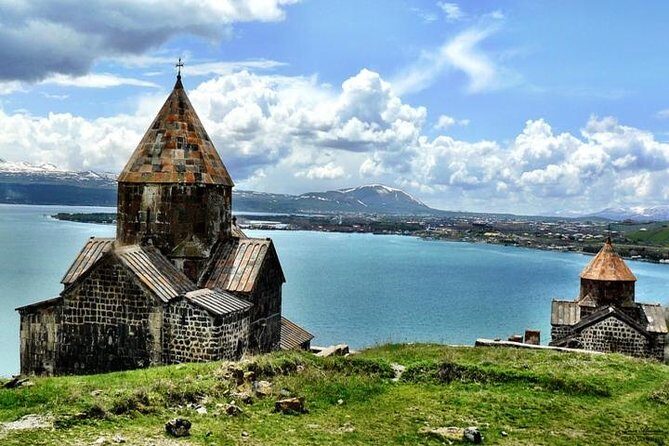
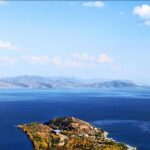
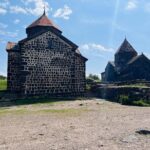
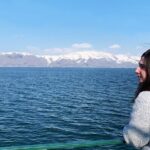
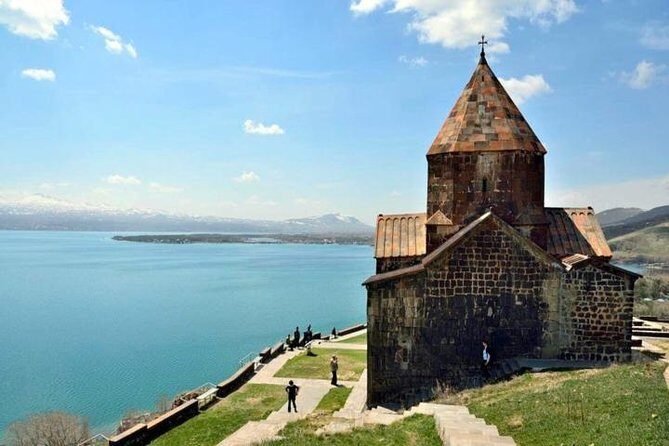
This is the day that sets the mood. You start at Sevanavank Monastery, perched by Lake Sevan—often called the jewel of Armenia. The monastery’s story is part geography, part architecture: founded in 874 AD by princess Mariam, and built with black tuff. It’s one of those places where a simple viewpoint turns into a history lesson. Plan on about an hour here, enough time to take in the structures and catch the lake views without rushing.
Next comes the Dilijan area, where Armenia’s forested “mountain air” feeling starts to show up. You’ll visit Haghartsin Monastery (built between the 10th and 13th centuries). It has three churches, and the whole complex sits in a quieter pocket outside Dilijan—ideal for slowing down after the first big lake stop. This is also a good break day pacing-wise: it’s long enough to appreciate details, but not so long that you feel cooked by the end of it.
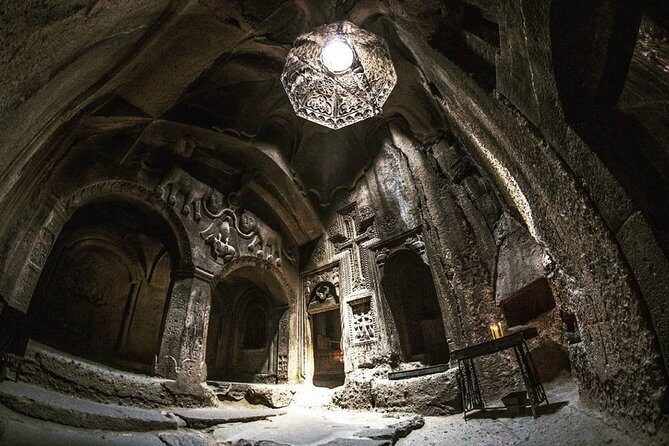
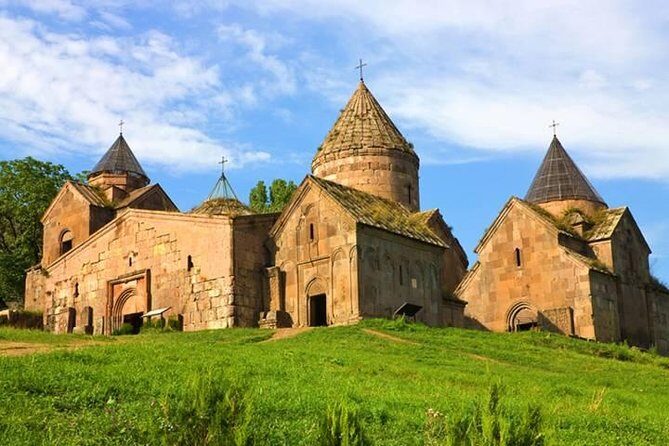
Then you roll into Goshavank Monastery, which became a religious and scholarly center during the 12th to 13th centuries. That “scholarly center” part matters. When you visit a monastery like this, you’re not just looking at a building—you’re seeing the infrastructure of medieval learning: spaces for study and religious life grouped together in one complex. You’ll have about 40 minutes, which is short, but it fits the format of this tour: hit the essentials, keep moving, and save your energy for Tbilisi later.
Finally, you end the day in Tbilisi with an overnight. Expect the driving day to be substantial, but the schedule is designed so you don’t just arrive and then immediately bounce out. You get a real night to reset—your hotel will be one of your biggest planning decisions, since accommodation isn’t included.
Practical note for day 1: bring layers. Lake air can feel different from the inland heat, and monasteries are often cooler and windy depending on the time of year.
Other Tbilisi and Georgia transfer tours we have reviewed in Yerevan


Day 2: UNESCO Mtskheta and a Tbilisi city tour that helps you get your bearings
Day 2 is where the tour switches from Armenian monastery focus to Georgian city rhythm—without wasting time.
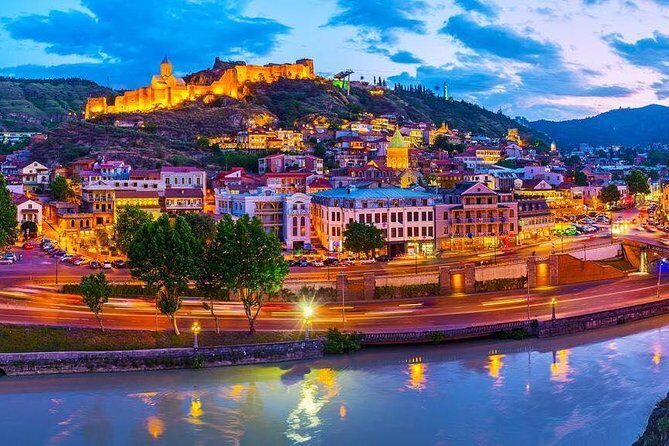
You start with Mtskheta, an ancient city at the confluence of the Mtkvari and Aragvi rivers. This isn’t a random stop; it’s anchored by two major religious monuments. You’ll see Svetitskhoveli Cathedral (11th century) and Jvari Monastery (6th century). The best part is that both are tied to the development of medieval Christian architecture across the Caucasus, so the guide’s commentary can make the stones feel connected rather than separate.
Mtskheta and these monuments are on the UNESCO World Heritage List, and you can feel why. The layout, the importance of the sites, and their placement in the broader story of the region all add up. You’ll have about 2 hours—enough to see the key buildings and not feel like you’re doing a drive-by.
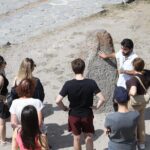
Then it’s back to Tbilisi for a guided orientation—about 3 hours. This is the part that pays off later. When someone walks you through the main sights, you understand where things are, how the city “turns,” and what to prioritize if you decide to return on your own. If you’re planning to eat well or revisit viewpoints, this introduction is what helps you spend your next hours with less guesswork.
One more thing: you’ll likely be doing a mix of sidewalks and stairs here. If you’re even mildly sensitive about uneven ground, wear shoes you trust. It sounds boring, but it makes a city day smoother.
Day 3: Haghpat and Sanahin UNESCO monasteries plus the Stepanavan trees
This is the classic Armenia ending: the tour leans into the UNESCO monastery corridor again, but with a different flavor than Day 1.
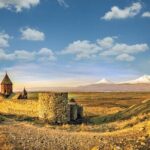
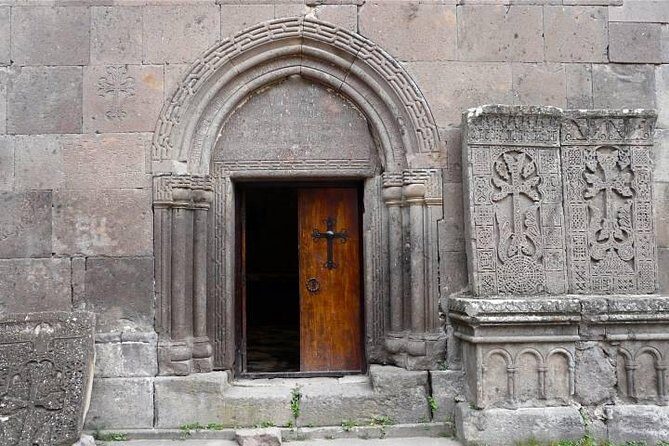
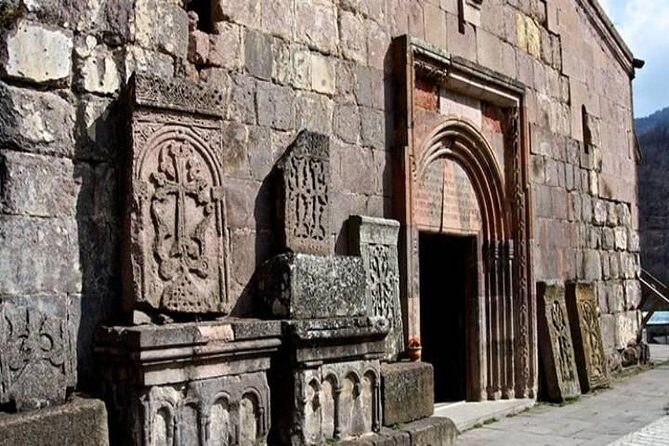
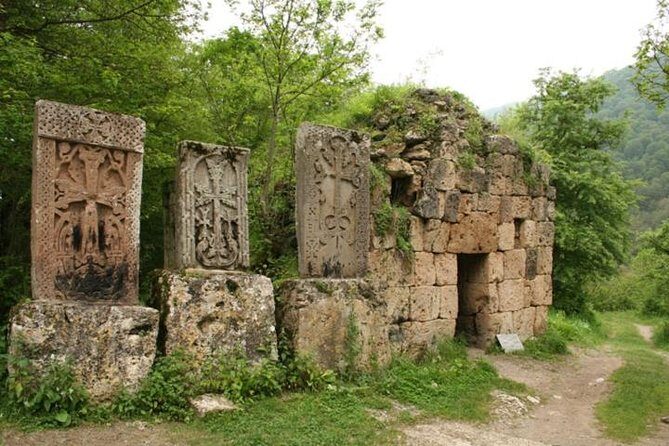
First stop is Haghpat Monastery, founded by queen Khosrovanush, wife of Armenian king Ashot III, in AD 976. What I like about this stop is that it’s not just one building—it’s described like a functioning campus: narthex, corridor-sepulchers, refectory, scriptorium, chapel, belfry, chapel-tombs, and cross-stones (khachkars). That word scriptorium is the clue: you’re looking at a place where books mattered. Even if you’re not a history nerd, the architecture does the talking when your guide explains the purpose of each section.
Then you go to Sanahin Monastery, another UNESCO site. Sanahin was an administrative center and a family burial place for the Kyurikyan Bagratids (10th and 11th centuries), and it also served as an episcopal residence until the 11th century. That combination—power, religion, administration, burial—means the monastery complex reflects more than faith. You’re seeing the medieval system in built form.
Next comes a calmer change of pace: Stepanavan Sochut Dendropark. It’s a botanic garden established in 1933 by Polish engineer-forester Edmon Leonovich. There are more than 500 plants, which turns the final day into a breather from stone. Your time is about 1 hour, and the ticket is not included, so budget a little extra for this stop if you want it.
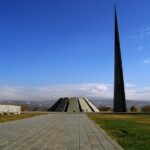
After that, you finish with the Armenian Alphabet Monument, created by Mesrop Mashtots in 405 to make the Bible accessible to Armenians and spread Christianity. It’s short (about 30 minutes), but it lands as a meaningful closing. The tour goes through centuries of faith and learning, and this monument ties the theme together in a way that’s easy to remember.
Price and value: what $827 per group gets you (and what it doesn’t)
At $827 per group (up to 3), you’re paying for something very specific: private transport, hotel pickup and drop-off, and a tight route across Armenia and Georgia with guided commentary. In plain terms, you’re buying time and convenience—no figuring out borders, no stitching together transit between far-flung stops, and no wasting half a day on logistics.
What you should not treat as included:
- Food and drinks
- Lunch
- Hotel accommodation (you’ll need your own nights in Tbilisi and Alaverdi)
- The dendropark ticket (it’s not included)
So the real “value math” is this: if you want a private plan that hits Lake Sevan plus key monasteries plus UNESCO sites plus Tbilisi orientation, this kind of package often saves you money compared to piecing together cars, drivers, and guide time. But if you’re traveling solo and already plan to guide yourself and drive your own way, you may not need this price level.
The group size matters too. Up to three people can split the cost in a way that makes it feel more reasonable, especially given how much ground the itinerary covers.
Transport, pacing, and what to pack for monastery and city days
This is a private experience with a dedicated vehicle and air-conditioning. That matters because the route involves multiple long segments, and comfort on the road keeps you from turning the whole trip into a nap contest.
The pacing is also built-in:
- Day 1 is multiple monasteries plus an overnight in Tbilisi.
- Day 2 is UNESCO Mtskheta plus a guided Tbilisi tour.
- Day 3 is UNESCO monasteries again, then a garden, then the alphabet monument.
Walking note: monasteries are full of uneven stone and steps. Your “moderate physical fitness” expectation isn’t about climbing mountains—it’s about being comfortable moving through historical sites without needing frequent breaks.
Pack like you’re doing a mix of village viewpoints and city wandering:
- Comfortable shoes
- A light jacket or layer (monastery air can feel cooler than expected)
- A day bag for water and sun protection
- A small umbrella if the season is wet (because weather loves to change around water)
Dress code is smart casual, so keep it clean and practical rather than beachy.
A few more Yerevan tours and experiences worth a look
The service angle: pickup, communication, and driver quality
One of the strongest signals from the feedback I’ve seen is how much the service team cares about making the trip feel safe and smooth. People have praised drivers for being punctual and helpful, and for taking a patient approach when questions pop up.
You may meet drivers like Zaven, who was specifically singled out as kind, helpful, and friendly, with a patient style during the journey. Others have also been praised—like Arthur and Alek—for casual conversation, good communication, and an easy, relaxed vibe while still keeping things organized.
Even if you don’t get the same driver, the broader pattern is useful: you’re not just being transported. You’re being handled. That makes a difference when you’re moving between monasteries, cities, and overnights on a schedule that has no wiggle room.
Who this tour fits best (and who should choose something else)
This fits best if you want:
- A private plan rather than a big-group bus day
- A mix of Lake Sevan scenery, medieval monastery architecture, and Tbilisi city orientation
- Guided commentary that explains what you’re seeing, not just where to stand for photos
It may not be ideal if you:
- Want a slow travel pace with lots of free time in one city
- Don’t like monastery visits (this trip is monastery-heavy by design)
- Prefer to have all meals and lodging handled for you (those are not included)
If you’re a first-timer to the Caucasus who likes structured days but still wants a personal vehicle, this route makes sense. If you’re already comfortable driving and you don’t want guided stops, you could build your own trip—just expect more planning.
Should you book this Armenia to Tbilisi private 3-day route?
I’d book it if your top priority is efficiency with meaning: Lake Sevan + standout monasteries + UNESCO sites + a real start in Tbilisi, all without juggling transport. The private format keeps the experience human, and the way the itinerary stacks famous sites means you’ll come away with a clear sense of how this region’s faith and learning shaped the landscape.
Skip or rethink it if you already hate tight schedules, don’t want to pay extra for hotels, or want more downtime than the plan allows. You’ll need to coordinate your overnights, and you’ll spend a lot of the trip in transit between big stops.
If you’re okay with that trade-off, this is a strong way to see a lot in a short window—without turning it into a stressful checklist.
FAQ
Is this a private tour?
Yes. It’s a private activity, and only your group participates.
Where does the tour start?
It starts from Yerevan, Armenia, with hotel pickup and drop-off included.
What’s included in the price?
The price includes hotel pickup and drop-off and transport by air-conditioned vehicle according to the number of participants. A mobile ticket is also offered.
What isn’t included?
Food and drinks aren’t included, including lunch. Hotel accommodation is not included. The ticket for Stepanavan Sochut Dendropark is also not included.
Are entrance fees included for the stops?
Most of the listed monastery and sightseeing stops show admission as free in the schedule. Stepanavan Sochut Dendropark is marked as not included.
Do I need a passport for this trip?
Yes. You’ll need a current valid passport on the day of travel, and your passport name, number, expiry, and country are required at booking for all participants.
Can I cancel for a full refund?
Yes. There is free cancellation, and you can cancel up to 24 hours in advance for a full refund.