REVIEW · YEREVAN
Khor Virap, Azat Reservoir, Garni & Geghard Small-Group Day Trip
Book on Viator →Operated by Yerani Travel LLC · Bookable on Viator
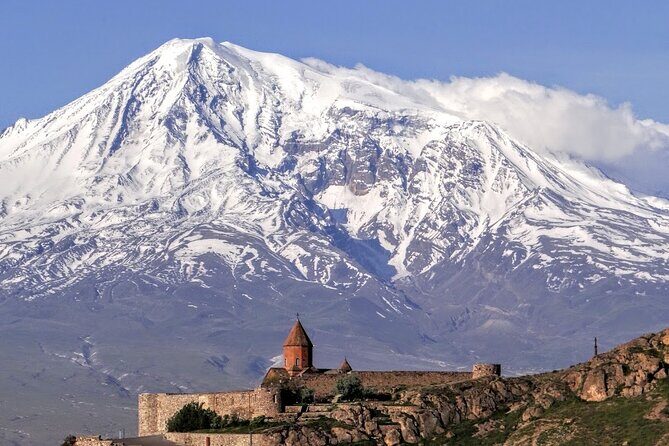
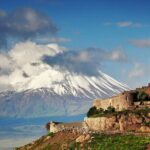
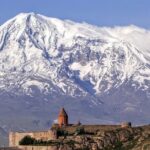
Mount Ararat frames your whole day.
This small-group tour strings together big-name sights outside Yerevan with smooth timing and real local touches. I especially like that you get multiple “wow” stops—monastery drama, pagan-era ruins, rock-cut churches—without needing to rent your own car. One thing to consider: the schedule is packed, so if you hate moving on quickly, this day might feel a bit brisk.
I love the practical, photo-friendly structure of the day: every location has a clear reason to be there, and you get time to look up, breathe, and shoot the views. I also like the included food moment: a lavash baking masterclass plus a local sweet called gata gives the trip a hands-on, Armenia-at-table feeling instead of just sightseeing on stone.
The possible drawback is pacing. With several stops stacked back-to-back (plus driving time), you’ll want to show up rested and ready to go. You won’t be lingering for hours at every viewpoint, even though each stop is worth it.
In This Review
- Key things to know before you go
- Why this day trip feels efficient from Yerevan
- Khor Virap: where the story begins at Ararat’s feet
- Azat Reservoir: the easy photo break that resets your eyes
- Garni Temple and the bathhouse mosaic of 30,000 stones
- Symphony of Stones: volcanic columns that feel oddly designed
- Geghard Monastery: rock-cut churches and the lance story
- Charent’s Arch: your final Ararat payoff
- Lavash baking masterclass and gata: the food moment you’ll actually remember
- Price and value: what $33.85 gets you
- Who should book, and who should skip this route
- Should you book the Khor Virap, Garni & Geghard small-group day trip?
- FAQ
- How long is the Khor Virap, Azat Reservoir, Garni & Geghard day trip?
- What sites are included on this tour?
- Is lunch included in the price?
- What’s included besides the guided stops?
- Do I need to pay entrance fees at each site?
- What language is the tour offered in?
- How big is the group?
- Where is the meeting point?
- When does the tour end?
- Is there free cancellation?
- Are children allowed?
Key things to know before you go
- Ararat viewpoints, not just theory: you’ll hit Khor Virap and Charent’s Arch for that “how is it this close?” mountain moment.
- A full itinerary without a rental car: monasteries, temple ruins, volcanic rock formations, and a reservoir in one long day.
- Garni Temple details that feel specific: Roman bath-house mosaics made of 30,000 natural stone pieces are part of the included stop.
- Geghard’s rock-cut churches: you’ll see churches carved into solid rock, tied to Armenian architecture and centuries of tradition.
- Hands-on Armenian food: lavash baking is included, plus you’ll sample gata.
- Guides who run the day with a mic and confidence: guides lead explanations clearly, and drivers keep it safe and comfortable.
Why this day trip feels efficient from Yerevan
This is the kind of tour that works for real schedules: you start at 9:00 am at the Alexander Tamanian Statue in Yerevan (Moskovyan pokhoc 10), you ride in a comfortable vehicle with Wi‑Fi, and you end back where you started. The total time is about 8–9 hours, which is long enough to cover the real highlights, but not so long that you lose your whole day.
The value here is not just that you visit famous places. It’s the way the route is built around themes: Ararat views, Christian history, early Armenian architecture, and the geology behind the dramatic scenery. You also get entry tickets included for the listed sites, plus bottled water during the day, so you’re not constantly budgeting on the move.
And yes, you get the included snacks and food activity. Bottled water and gata are small things, but they matter when you’re out all day and the schedule doesn’t slow down.
Other Garni and Geghard tours we have reviewed in Yerevan

Khor Virap: where the story begins at Ararat’s feet
Your first big stop is Khor Virap Monastery, set right at the foot of Mount Ararat. This is one of the most famous religious sites in Armenia, not because it’s huge, but because of what it represents.
The key story is St. Gregory the Illuminator, who was imprisoned here before he later brought Christianity to Armenia. It’s the kind of place where the history isn’t abstract. Even if you’ve read a few lines before, being at the actual site helps you understand why people treat this corner of the country as sacred ground.
You’ll have about 50 minutes here, and that’s a good amount of time. You can walk around, soak in the views, and still pause for photos without feeling rushed from one building to the next. Admission is listed as free for this stop, which keeps the day’s costs more predictable.
A practical tip: keep your phone or camera handy early in the morning. If the weather is clear, the views can be strong right away. If clouds roll in, don’t panic—this route keeps giving you more Ararat chances later.
Azat Reservoir: the easy photo break that resets your eyes
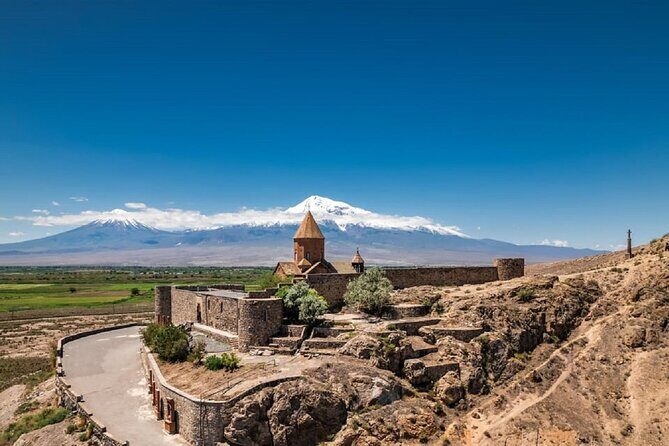
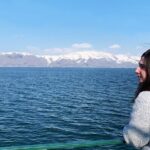
Next up is Azat Reservoir, a scenic pause designed for breathing room. You’ll get about 25 minutes, which is enough for a short walk, a few calm photos, and a quick mental reset before the more intense historic sites.
This is the stop that often turns into the “light moment” of the day. It’s not the main history anchor. It’s the scenic intermission. The reservoir area gives you a different kind of scenery compared with monasteries and stone temples—more open sky, more water reflections, and less dense architecture.
Admission is free here too. It’s a good reminder that not every included stop needs to be a museum-like moment. Sometimes a quick scenic break makes the whole day feel more human.
Garni Temple and the bathhouse mosaic of 30,000 stones
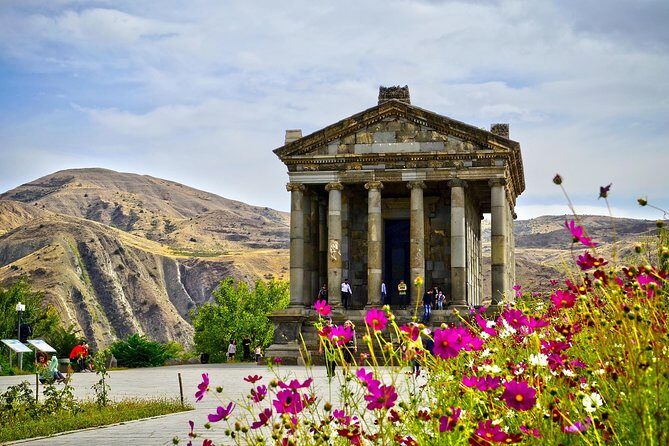
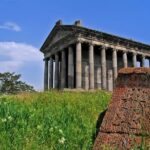
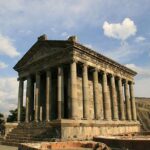
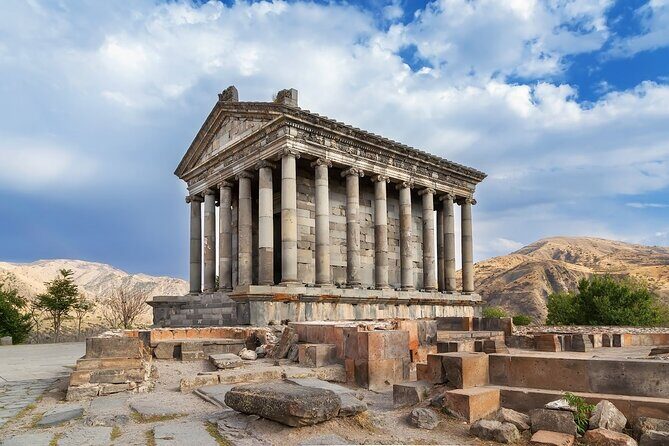
Then the tour hits one of Armenia’s most unusual historical contrasts: Garni Temple. Built in 77 A.D., it’s described as the only standing heathen temple in the post-Soviet area. That alone makes it a standout, but the details are what make it memorable.
Garni sits on a high plateau overlooking the Azat River gorge, so you’re not just looking at ruins—you’re looking across a wide view of the valley. You’ll have around 1 hour at this stop, which gives time to move between the main structures and absorb what’s left of the old complex.
What’s included isn’t just the temple. You also get the Greek-Roman bathhouse and its mosaic. The mosaic is made out of 30,000 pieces of natural stone. Think of it as a historical “close-up” experience: even if you’re not a mosaic expert, the sheer scale makes you slow down and really look.
There are also ruins of the royal palace nearby, tied to the broader 3rd-century world around Garni. This stop works well if you like architecture that has survived in fragments. It also helps if you enjoy seeing how different layers of faith and empire shaped Armenia over time.
Symphony of Stones: volcanic columns that feel oddly designed
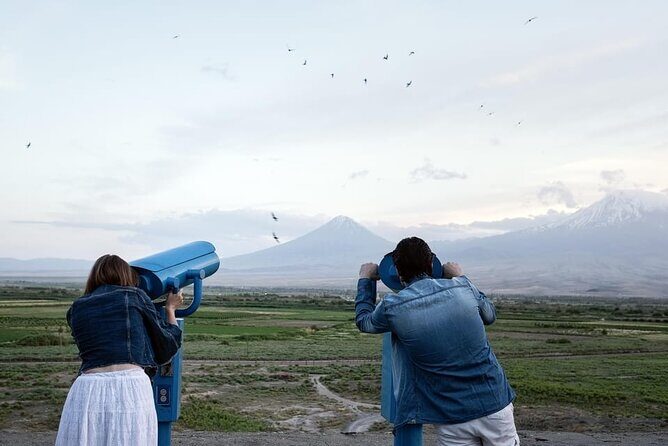
After Garni, you go to Symphony of Stones, where the star is geology. This site features tall, column-like volcanic rock formations that create a striking, almost architectural scene.
You’ll have about 40 minutes here, which is the right length for taking photos, walking around the view areas, and letting your brain register that nature did all of this. The formations create natural “frames” for pictures, so you can shoot from different angles without needing special equipment.
Admission is included for this stop. What you’re paying for here is not a ticket desk experience. You’re paying for access to an outdoor natural formation that many people would otherwise only see from a distance.
Wear shoes you’re comfortable walking in. Even though it’s outdoors, you’ll move around a bit as you chase the best angles.
Other Khor Virap tours we have reviewed in Yerevan


Geghard Monastery: rock-cut churches and the lance story
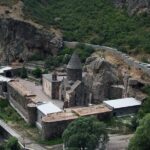
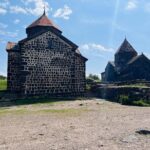
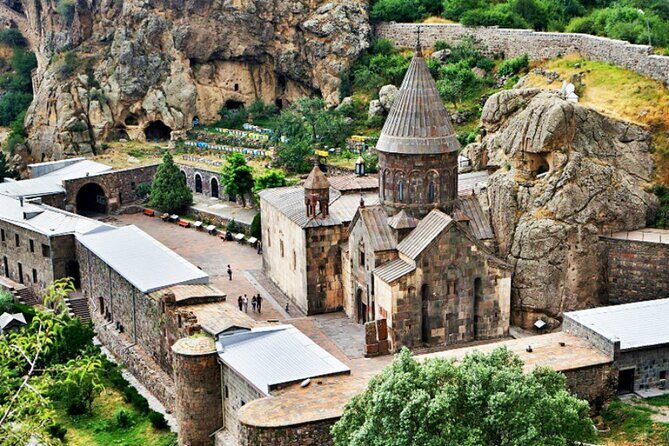
Next comes the Monastery of Geghard, one of Armenia’s headline sites. You’ll have about 50 minutes, and this is the stop where the day starts to feel more powerful and less “photo tourism.”
Geghard is linked to the story of the lance: it’s said to symbolize the lance with which a Roman centurion pierced Jesus after the crucifixion. Later, the lance was brought to Armenia and kept at Geghard Monastery for five centuries.
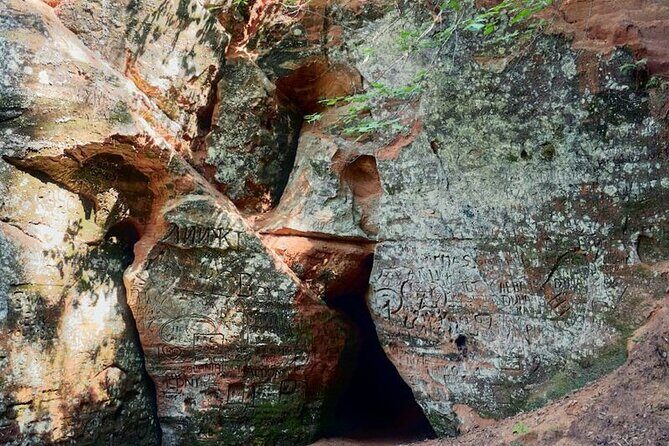
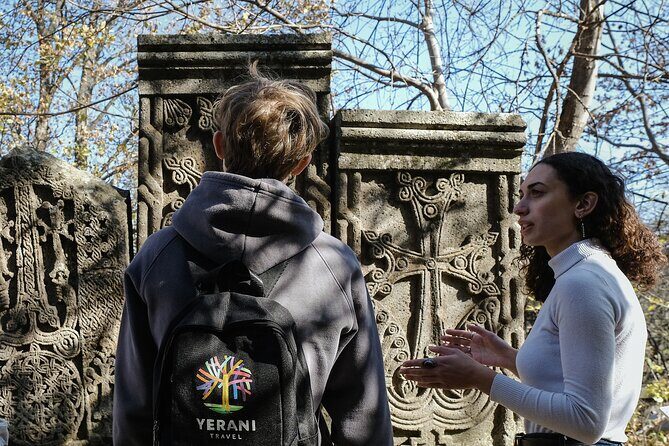
Architecturally, Geghard is special because some churches were constructed by drilling directly into solid rock, built according to Armenian architectural rules. The complex represents Armenia’s 13th-century Golden Age of architecture, so the mix of style, stonework, and cave-like church spaces makes the site feel layered rather than uniform.
Admission is listed as free here, which is a nice bonus—Geghard already costs you plenty in time and attention. You’ll likely want more than 50 minutes if you enjoy details, but this time window is still enough to understand why people remember Geghard long after they’re back home.
A tip: keep your expectations grounded. You’re walking through living history in a stone complex, not an indoor show. Move slowly, look up, and don’t rush the rock-cut sections.
Charent’s Arch: your final Ararat payoff
To close the day, the tour brings you to Charent’s Arch, with a quick 15 minutes for views. This stop is all about the Ararat connection and the valley below it.
Even with such a short time window, it works because the other parts of the day already trained your eyes. By now you’re primed to notice the way Armenia’s big mountain presence changes the whole mood of everything around it.
Admission is free here too. It’s one of those efficient photo stops that earns its spot in a packed itinerary. Bring your camera close to you; you won’t have time to dig for gear.
Lavash baking masterclass and gata: the food moment you’ll actually remember
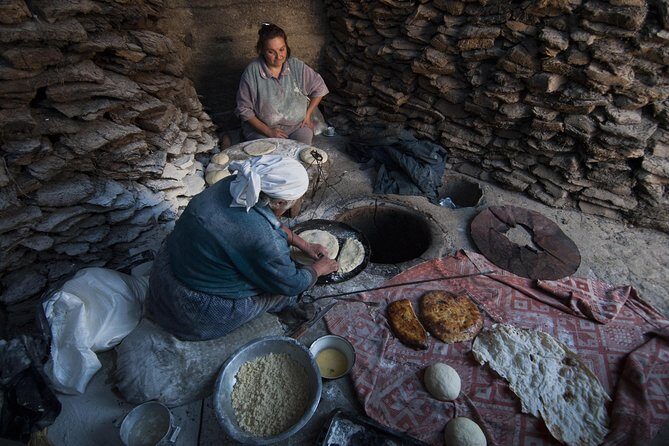
This tour doesn’t treat food as an afterthought. It includes bottled water and a local sweet called gata, and it adds a lavash baking masterclass.
Even if you’re not a food person, this is a good included activity because it gives your day a human rhythm. You’re not only reading stone explanations; you’re watching (and likely tasting, as part of the experience) how a classic Armenian staple is made. Lavash is part of daily life across Armenia, so learning it briefly gives context for what you’ll see in cafes later.
The tour also includes water, which sounds basic until you’re halfway through a long day and you realize how much thirst and tiredness can affect your focus. Small comfort wins.
Lunch is not included, so plan for it. The info lists lunch as roughly €6 to €14 per person, depending on what’s offered at the lunch restaurant stop. If you’re traveling on a budget, this is manageable. If you’re picky, decide early what you’ll do—eat something simple and keep energy for the afternoon.
Price and value: what $33.85 gets you
The price is $33.85 per person for an 8–9 hour day trip. At this level, you’re really paying for three things:
- Transport out of Yerevan to multiple sites
- A guide who explains what you’re seeing
- Included costs like entry tickets, bottled water, and the lavash baking activity
Most of the big sites on this route are outside the city, and driving yourself would mean renting a car or paying for separate transfers. The “small-group” part also matters: you’re not in a huge crowd where you can’t hear or find your own photo angles.
One review detail that reinforces this value: the tour experience is described as well organized with a working mic and air-conditioning, plus a safe driver. Those comforts aren’t listed in every itinerary, but when they’re present, they make the day feel more relaxing.
So does the price feel cheap? For what’s included—especially lavash and the ticketed parts—it’s a fair deal. Just remember lunch is extra, and the day is full.
Who should book, and who should skip this route
This is a great choice if you:
- Want Ararat viewpoints without planning a multi-stop rental-car route
- Like getting history explanations tied to real places
- Enjoy a day that’s active but not extreme
- Want an included Armenian food experience (lavash and gata)
This is less ideal if you:
- Hate tight timing and constant moving
- Need long, slow time at each stop (this itinerary keeps you moving)
- Are traveling with someone who gets cranky with a lot of driving and transitions
If you’re the type who loves checklists and also wants context, this day trip fits your travel style.
Should you book the Khor Virap, Garni & Geghard small-group day trip?
I’d book it if you want one solid day outside Yerevan that covers the big Armenia stories: Christian origins at Khor Virap, the classical contrast of Garni, the volcanic drama of Symphony of Stones, and Geghard’s rock-cut churches. The included lavash baking masterclass and gata tasting give you something to take home that isn’t just photos.
Skip it only if you know you’ll struggle with a packed itinerary. If you can handle a full day—show up early, wear good shoes, and keep your expectations realistic—you’ll get a lot of Armenia in a single outing.
FAQ
How long is the Khor Virap, Azat Reservoir, Garni & Geghard day trip?
It lasts about 8 to 9 hours in total, starting at 9:00 am and ending back at the meeting point.
What sites are included on this tour?
The main stops are Khor Virap, Azat Reservoir, Garni Temple (and its bathhouse area), Symphony of Stones, Geghard Monastery, and Charent’s Arch.
Is lunch included in the price?
No. Lunch is not included, and the info lists lunch as roughly €6 to €14 per person.
What’s included besides the guided stops?
You get guide service, entry tickets, bottled water, local sweet gata, a vehicle with Wi‑Fi, and a lavash baking masterclass.
Do I need to pay entrance fees at each site?
Entry tickets are included. Some stops are specifically listed as free (like Khor Virap and Geghard), while others are listed as included in the tour.
What language is the tour offered in?
The tour is offered in English.
How big is the group?
The tour has a maximum of 50 travelers.
Where is the meeting point?
The meeting point is at the Alexander Tamanian Statue, 10 Moskovyan pokhoc, Yerevan 0009, Armenia.
When does the tour end?
The tour ends back at the meeting point in Yerevan.
Is there free cancellation?
Yes. You can cancel for a full refund up to 24 hours before the experience starts.
Are children allowed?
Children can participate, but must be accompanied by an adult.